Introduction
Substations rely on dependable DC power to operate protection relays, circuit breakers, control equipment, communication devices, and other essential electrical components. When the AC auxiliary supply fails, the station battery provides the energy needed to maintain critical control and protection functions. A properly selected battery charger for substation DC systems helps keep this battery available while supplying the DC loads required during normal operation.
Choosing the right charger involves more than matching a nominal voltage. Engineers must consider the DC system configuration, battery chemistry, capacity, charging requirements, continuous load demand, recovery time, environmental conditions, and maintenance practices. An unsuitable charging arrangement may lead to inadequate battery recovery, excessive charging, or reduced operational reliability.
This article explains the key considerations for selecting and maintaining a battery charger for substation applications. It also outlines how engineers can evaluate charging requirements and identify equipment suitable for their DC auxiliary power systems.
-
Understanding the Role of a Substation DC Charging System
A substation DC power system typically includes a battery bank, one or more battery chargers or rectifiers, a DC distribution panel, protective devices, and monitoring equipment. These components work together to provide a reliable supply for essential electrical loads.
Under normal operating conditions, the charger converts incoming AC power into regulated DC power. It supplies the connected DC loads and maintains the battery at the appropriate charge level. Depending on the system design, the battery may remain connected to the DC bus and provide additional current when the load temporarily exceeds the charger’s output capability.
If the AC supply is interrupted, the battery supplies the connected loads. The duration for which it can support these loads depends on battery capacity, discharge current, battery condition, temperature, and the required minimum operating voltage.
The charging system therefore has two related responsibilities: maintaining battery readiness and supporting the station’s normal DC demand.
For engineers planning a substation DC battery charger system, it is important to evaluate the charger and battery as parts of one coordinated power system rather than as independent products.
-
Identify the DC System Voltage and Battery Type
The first step in charger selection is to identify the DC system’s nominal voltage and the battery bank configuration.
Substations may use different DC voltage levels depending on utility practices, equipment specifications, and system requirements. Common configurations include 24 V, 48 V, 110 V, and 220 V DC, although other arrangements are also possible. These values describe nominal system voltage, not necessarily the actual voltage required at the charger terminals during charging.
The charger must support the battery’s specified charging voltage range, including the voltage needed for normal float operation and any permitted recovery or boost charging mode.
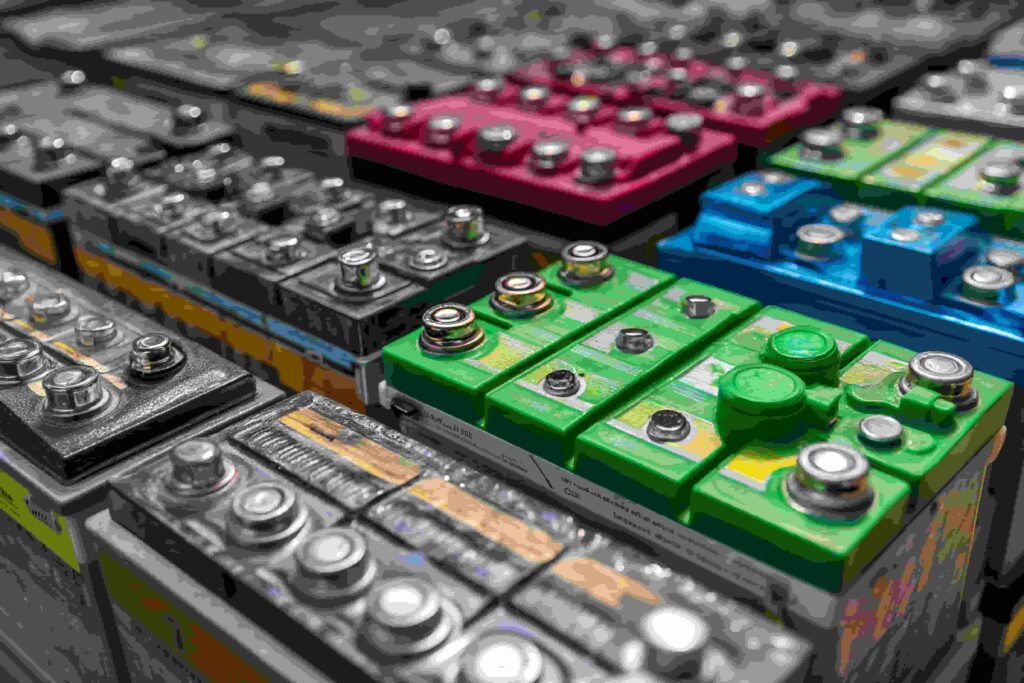
Battery chemistry is equally important. Lead-acid batteries, including flooded and valve-regulated lead-acid (VRLA) types, have specific charging requirements. Their recommended float voltage, temperature compensation, current limits, and charging procedures may differ.
Before selecting equipment, confirm:
- The nominal DC bus voltage and permitted operating range.
- The battery chemistry, capacity, and series-cell configuration.
- The manufacturer’s recommended float and recovery charging parameters.
- The maximum permissible charging current.
- The minimum and maximum ambient operating temperatures.
- The compatibility of the charger with connected DC loads.
Do not select a charger based only on a label such as 110 V or 220 V. The required output range, current capability, regulation performance, and protection functions must also meet the system design.
-
Calculate the Required Charger Capacity
Charger capacity is one of the most important considerations in substation DC system design. The charger must support the required normal DC loads while providing suitable charging current to the battery.
A simplified preliminary calculation is:
Required charger current = continuous DC load current + battery charging current
The continuous load current represents the DC equipment that must operate while the charger is available. The charging current depends on the battery’s discharged condition, manufacturer recommendations, and the desired recovery time.
For example, assume a DC system has a continuous load of 8 A and the battery charging requirement is estimated at 12 A during recovery. The preliminary charger current requirement would be:
8 A + 12 A = 20 A
This is only an illustrative calculation, not a final equipment rating. The engineer must also consider load variations, transient demand, design margins, temperature effects, charger derating, and any applicable utility or project standards.
Battery capacity alone does not determine the required charger rating. Two battery banks with the same ampere-hour rating may require different charging arrangements because their discharge histories, connected loads, charging limits, and required recovery times differ.
For a detailed design, calculate the expected load profile and establish the required battery recovery time. Then verify that the selected charger can deliver the necessary current at the specified output voltage while supplying the DC loads.
-
Understand Float Charging and Recovery Charging
Charging mode selection affects battery readiness and service life. The appropriate method depends on the battery manufacturer’s instructions and the operating requirements of the substation.
Float charging
Float charging maintains a fully charged battery by applying the manufacturer’s recommended voltage. It compensates for the battery’s self-discharge and helps keep the battery ready for an unexpected interruption of the AC supply.
In many standby DC systems, float charging is the normal operating mode. The selected voltage must be appropriate for the battery type, cell count, and operating temperature.
An excessively high float voltage may accelerate battery degradation, while an excessively low voltage may prevent the battery from remaining fully charged.
Recovery or recharge charging
Following a discharge, the battery requires sufficient charging current and time to restore its available capacity. Recovery charging must follow the battery manufacturer’s specified voltage limits, current limits, and charging profile.
Some batteries permit an equalization or boost charge under defined conditions. This should not be treated as a universally applicable operating mode, particularly for VRLA batteries, for which inappropriate overcharging can cause damage.
A suitable charger should provide the charging functions required by the application, with settings appropriate to the installed battery.
When evaluating substation battery charging requirements, engineers should verify that the charger can maintain normal float operation and restore the battery after discharge without exceeding the battery’s permitted limits.
-
Consider Redundancy and DC Supply Continuity
Reliability is a central design objective for substation auxiliary DC systems. A charger fault should not unnecessarily compromise the availability of essential protection and control equipment.
Depending on the project’s reliability requirements, a system may use a single charger, parallel chargers, or a redundant arrangement. Some installations use two chargers connected to a common DC bus and battery bank, with each charger capable of supporting specified operating conditions.
The appropriate arrangement depends on the required availability, load demand, maintenance strategy, and applicable standards. Redundancy should not be assumed to exist simply because two chargers are installed; the distribution, isolation, control, and failure modes must also be evaluated.
During equipment selection, consider:
- Whether the charger can operate in the intended single or parallel configuration.
- How current sharing is controlled when multiple chargers operate together.
- Whether a failed unit can be isolated without interrupting critical DC loads.
- How charger failure and AC supply loss are indicated.
- Whether the battery can support the required loads during charger maintenance.
- Whether the DC distribution system has appropriate protective devices.
For critical applications, the design should also define alarm handling, inspection procedures, and contingency measures for charger or battery faults.
-
Evaluate Voltage Regulation, Protection, and Monitoring
A substation charger must provide suitable DC output under the expected operating conditions. Stable voltage regulation helps protect connected equipment and supports correct battery charging.
Protection functions should be selected according to the electrical design and equipment specifications. Relevant functions may include output overvoltage protection, overcurrent protection, short-circuit protection, overtemperature protection, and appropriate input-side protection.
Monitoring is also important. Depending on the charger and system design, useful indications may include output voltage, charging current, operating mode, fault status, and alarm conditions.
For unattended installations, clear fault indications can help maintenance personnel identify problems before they affect the availability of the DC supply.
Where remote supervision is required, verify whether the charger supports the communication interfaces and alarm contacts specified by the project. Do not assume that every charger provides the same communication protocols or remote-control functions.
Engineers should also check electrical isolation, electromagnetic compatibility, installation requirements, and applicable environmental ratings. These considerations are particularly important where equipment is installed near high-voltage switchgear or in electrically noisy environments.
-
Assess Installation and Environmental Conditions
A charger that meets the electrical requirements may still be unsuitable if its installation environment is not considered.
Substation battery rooms and electrical equipment rooms can experience temperature variations, dust, humidity, vibration, and limited ventilation. These conditions may influence equipment reliability, battery performance, and maintenance access.
Before installation, verify the charger’s permitted operating temperature, humidity limits, enclosure protection rating, cooling requirements, and mounting arrangement.
Adequate ventilation and clearance should be provided in accordance with the manufacturer’s instructions. Cable sizing, terminal selection, grounding, and protective device coordination should be completed by qualified personnel according to the applicable electrical standards.
Battery installations also require appropriate safety measures. For example, flooded lead-acid batteries may release hydrogen during charging, so ventilation and ignition-source controls must follow the applicable installation requirements. Battery handling and maintenance procedures should reflect the chemistry and hazards of the installed battery system.
A practical installation plan should include access for inspection, safe isolation, alarm visibility, and sufficient space to service the charger without interfering with other equipment.
-
Establish a Preventive Maintenance Program
Routine maintenance helps identify charging problems before they affect standby power availability. The inspection interval should be determined by the equipment manufacturer’s recommendations, the battery type, operating conditions, and the utility’s maintenance policy.
Charger maintenance may include checking output voltage and current, reviewing alarm records, inspecting electrical connections, confirming cooling performance, and verifying the condition of protective devices.
Battery maintenance should be performed separately according to the battery manufacturer’s instructions. Depending on the battery type, it may involve checking terminal condition, connection resistance, temperature, charging voltage, and other specified indicators.
Where required, controlled battery capacity testing can help determine whether the battery can still support the specified DC load for the required duration. Capacity testing is different from routine charger monitoring: a normal charger reading alone does not prove that the battery can deliver its rated backup performance.
If a battery fails to maintain expected performance, engineers should investigate possible causes such as aging, temperature exposure, connection problems, inappropriate charging settings, or cell deterioration.
Maintenance records should include measured values, alarms, inspection findings, corrective actions, and test results. Consistent records make it easier to identify changes over time and plan maintenance before reliability is affected.
-
Common Mistakes When Selecting a Substation Charger
Several avoidable mistakes can reduce the effectiveness of a substation DC charging system.
Selecting equipment using nominal voltage alone. The charger must also meet the required output voltage range, charging current, regulation, and protection requirements.
Ignoring continuous DC loads. A charger sized only for battery charging may be unable to support the connected loads and recharge the battery at the required rate simultaneously.
Using unsuitable charging settings. Float and recovery parameters must match the installed battery chemistry and manufacturer’s specifications.
Overlooking redundancy requirements. Critical systems may require a defined level of charger availability, fault isolation, and battery backup capability.
Assuming every charger supports remote monitoring. Communication interfaces, alarm contacts, and remote-control functions must be confirmed against the equipment specification.
Neglecting battery condition. Even a correctly sized charger cannot compensate for a battery that has reached the end of its service life or has developed internal faults.
A structured review of the electrical design, battery requirements, operating environment, and maintenance plan can help prevent these issues.
-
Choosing a Suitable Battery Charger for Your Application
The right charger depends on the system voltage, battery chemistry, charging-current requirement, connected DC loads, required recovery time, environmental conditions, and reliability objectives.
For engineers and maintenance teams, the selection process should begin with the actual operating requirements rather than a generic charger rating. Confirm the necessary output range, charging modes, protection functions, installation conditions, and monitoring requirements before comparing equipment models.
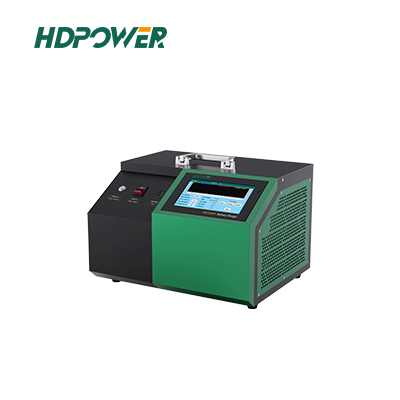
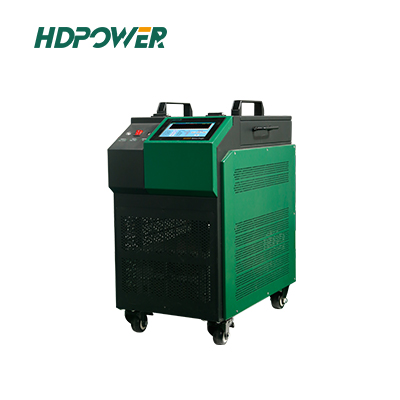
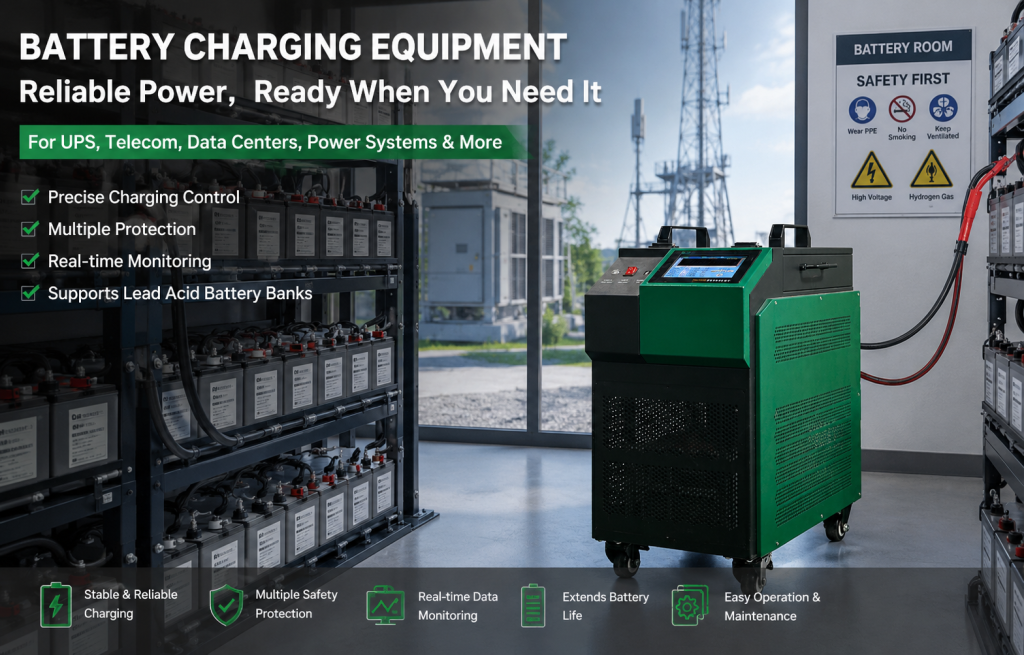
HDPOWER provides battery charging and battery maintenance equipment for industrial applications. To review available equipment, visit our Battery Charger Product Range. The available models have different voltage and current specifications, so the selected unit should be checked against the project’s electrical requirements.
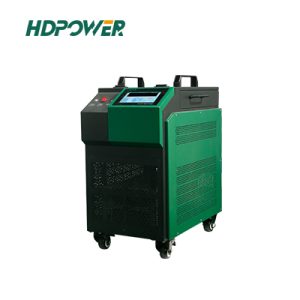
For applications that require a particular DC output range, engineers can also review the Industrial Battery Charger product information and confirm its suitability with the supplier. Actual model capabilities, charging functions, and compatibility should be verified before specification or purchase.
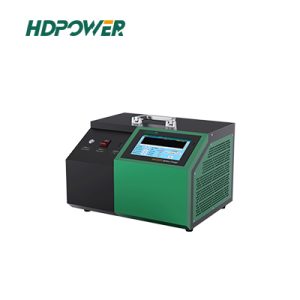
When requesting a quotation, provide the nominal DC voltage, battery chemistry and capacity, expected continuous load, required charging current, preferred charging modes, and any redundancy or communication requirements. This information helps the supplier recommend equipment appropriate to the application.
Conclusion
A reliable battery charger for substation DC systems is an essential part of the station’s auxiliary power infrastructure. Correct selection requires coordinated consideration of battery characteristics, DC load demand, charger capacity, float and recovery charging, redundancy, protection, and environmental conditions.
A well-designed system helps maintain battery readiness, supports critical DC loads, and provides a clear framework for preventive maintenance. By matching the charger to the actual electrical requirements and verifying compatibility before installation, engineers can improve the reliability and maintainability of substation DC power systems.
For project-specific recommendations, review the available HDPOWER battery charging equipment and confirm the required specifications with the manufacturer.