Introduction
Reliable battery charging is essential for UPS systems, telecommunications, power utilities, data centers, rail transit, and other critical infrastructure. When batteries serve as backup power, the charging solution must do more than simply restore energy. It must maintain the battery in a suitable operating condition while meeting the requirements of the complete power system.
The right Battery Charging Equipment depends on several factors, including battery chemistry, voltage, capacity, charging current, charging mode, operating environment, and required recharge time.
For industrial applications, charging should also be combined with regular battery testing and maintenance. This helps operators identify declining battery performance before a backup power failure occurs.
What Is Battery Charging Equipment?
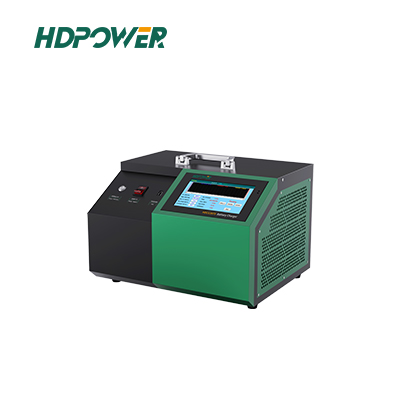
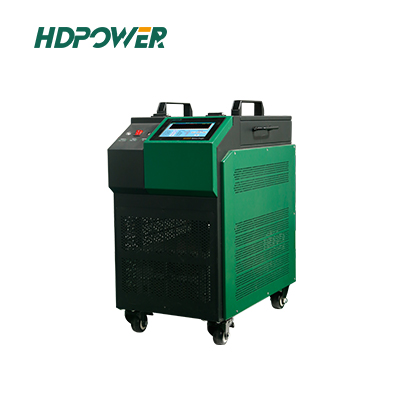
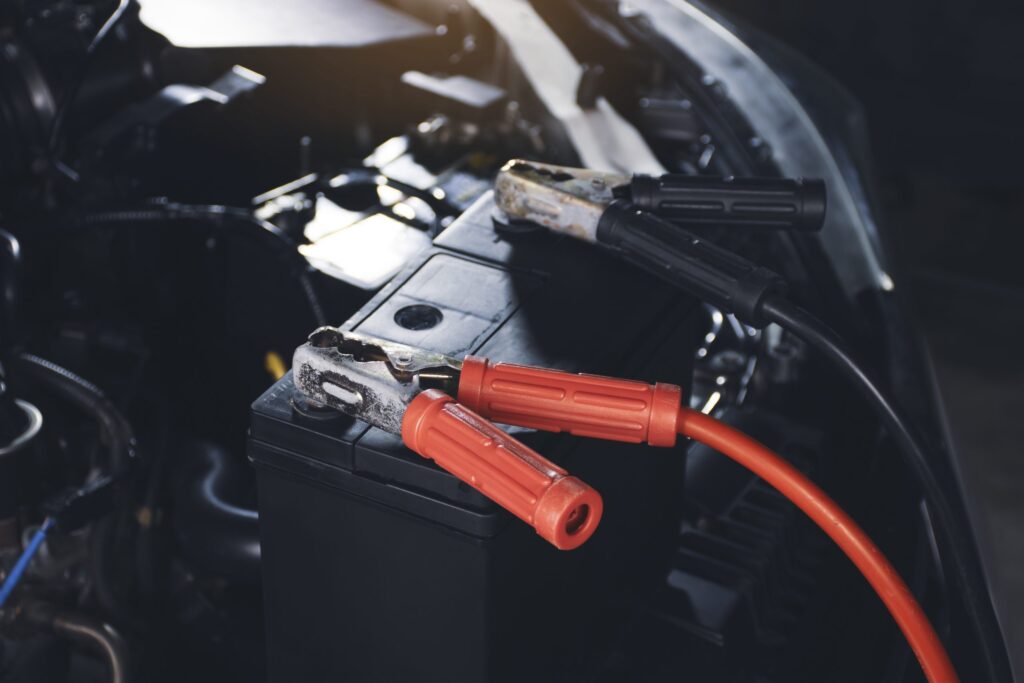
Battery charging equipment supplies controlled electrical energy to rechargeable batteries or battery banks. Depending on the application, equipment may support different charging modes and provide functions such as current control, voltage regulation, protection, monitoring, and data recording.
Industrial charging applications are different from ordinary consumer charging because battery systems may need to remain available for long periods and provide immediate backup power when the main supply fails.
A suitable charging solution should therefore consider:
- Battery type and chemistry
- Battery voltage and capacity
- Charging current
- Required recharge time
- Charging mode
- Operating temperature
- Protection functions
- Monitoring and data requirements
- Long-term maintenance needs
For critical battery systems, the charger should be selected as part of the overall battery power and maintenance strategy rather than as an isolated device.
Types of Battery Charging Equipment
Industrial Battery Chargers
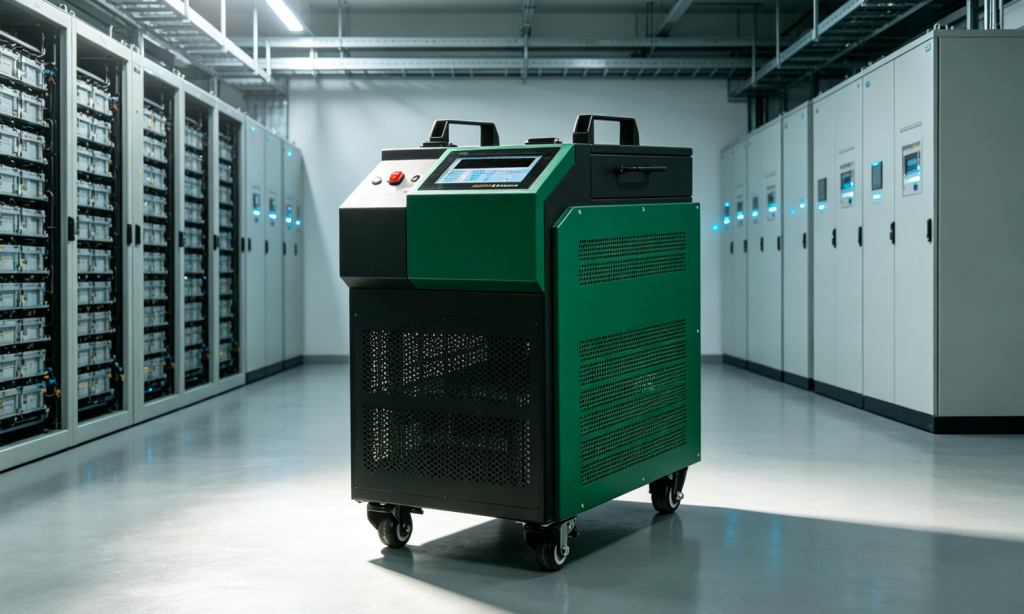
An Industrial Battery Charger is designed for applications where stable charging, reliability, and long-term operation are important.

Typical applications include:
- UPS battery banks
- Telecom backup power
- Power substations
- Data centers
- Railway systems
- Industrial control systems
- Emergency power systems
Compared with basic chargers, industrial charging equipment may provide more flexible charging parameters, protection functions, monitoring, and compatibility with larger battery systems.
For a standby battery system, the charger should also provide appropriate charging performance after a discharge event so that the battery can return to the required state of readiness.
Lead Acid Battery Chargers
Lead-acid batteries remain widely used in stationary backup-power applications. However, different lead-acid battery types can have different charging requirements.
A Lead Acid Battery Charger should therefore be selected according to the battery manufacturer’s specifications rather than only the nominal battery voltage.
The charging requirements may vary for flooded, AGM, and gel batteries. Using inappropriate charging parameters can contribute to reduced battery performance, excessive heating, or shortened service life.
Battery Charging Systems
For larger installations, charging is usually only one part of the overall battery infrastructure.
A Battery Charging System may involve:
- Battery chargers
- Battery banks
- DC distribution
- Protection devices
- Monitoring equipment
- Temperature monitoring
- Communication interfaces
- Battery testing equipment
This is particularly important for critical facilities where operators need to know not only whether a charger is operating, but also whether the battery itself remains capable of supporting the required load.
How to Choose the Right Battery Charging Equipment
Choosing the right equipment starts with the battery and the application.
- Identify the Battery Type
First determine the battery chemistry and construction.
Common industrial battery technologies include lead-acid and lithium-ion, with different charging requirements for each.
Do not select equipment based only on voltage. The charging method must also be compatible with the battery technology.
- Match the Voltage and Capacity
The charger must be suitable for the complete battery system.
Check:
- Nominal battery voltage
- Maximum charging voltage
- Battery capacity
- Number of cells
- Series and parallel configuration
- Required voltage adjustment range
For a battery bank consisting of multiple series-connected batteries or cells, the charging voltage must be appropriate for the complete system.
- Select the Appropriate Charging Current
Charging current affects recharge time and battery operating conditions.
A higher current may shorten recharge time, but the battery must be designed to accept the selected charging rate. Always follow the battery manufacturer’s recommendations.
For backup-power applications, also determine how quickly the battery needs to recover after an outage.
- Consider Charging Modes
Different applications may require different charging modes.
For example, standby systems commonly require continuous charging to keep batteries ready for operation, while a discharged battery may require a different charging stage during recovery.
The selected equipment should provide the charging functions required by the battery and application instead of relying on a generic fixed setting.
- Check Protection and Monitoring Functions
For industrial installations, protection and monitoring can be just as important as charging performance.
Depending on the application, useful functions may include:
- Overvoltage protection
- Overcurrent protection
- Short-circuit protection
- Over-temperature protection
- Charging alarms
- Voltage and current monitoring
- Data recording
Monitoring functions can help maintenance teams identify abnormal operating conditions earlier.
Battery Charging Equipment for Industrial Applications
UPS Systems
UPS battery banks must remain ready to provide backup power when the main electrical supply fails.
The charging solution should maintain the battery without compromising its long-term performance. Periodic capacity and discharge testing can complement charging management and identify weak batteries.
Telecommunications
Telecom sites often depend on battery banks for backup power. Reliable charging is especially important at remote sites where frequent maintenance visits can be difficult or expensive.
A suitable charging solution combined with battery testing can help operators maintain battery availability between scheduled inspections.
Data Centers
Data centers rely on backup power systems to protect servers, networking equipment, storage, and other critical infrastructure.
Battery charging should therefore be considered together with monitoring, environmental conditions, capacity testing, and preventive maintenance.
Power Utilities and Substations
Stationary batteries may support protection, control, switching, and emergency functions in power facilities.
In these applications, charging equipment needs to support long-term standby operation and provide appropriate recharge performance after battery discharge.
Rail Transit and Industrial Systems
Railway signaling, communication, control, and industrial automation systems may also rely on batteries for backup power.
The charging solution should be selected according to the battery configuration, operating environment, and reliability requirements of the specific installation.
Charging Is Only One Part of Battery Maintenance
A battery can accept a charge and still have significantly reduced capacity.
This is why charging should be combined with regular testing.
A Battery Capacity Tester can be used to evaluate whether a battery can still deliver its expected capacity under controlled test conditions.
A Battery Load Tester can help evaluate battery behavior under a defined load and identify batteries that may not perform adequately during an actual backup event.
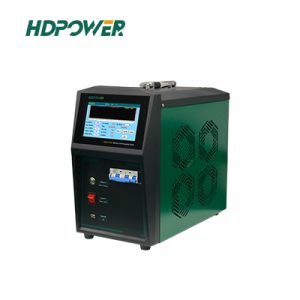
Internal resistance testing provides another useful indicator of battery condition. A Battery Internal Resistance Tester can help maintenance teams identify abnormal batteries or cells and compare battery condition over time.
For applications that require controlled charging and discharging, a Battery Charge and Discharge Tester can provide a more comprehensive way to evaluate battery performance through a complete test cycle.

This creates a practical maintenance process:
Charge → Monitor → Test → Analyze → Maintain → Retest
Instead of replacing batteries based only on age, operators can make maintenance decisions based on measured performance.
The Role of Battery Activators
For aging or underperforming lead-acid batteries, charging alone may not always address the underlying problem.
A Battery Activator can be used in appropriate lead-acid battery maintenance and restoration applications.

A practical maintenance process is to:
- Test the battery condition.
- Identify abnormal performance.
- Apply an appropriate maintenance or activation process.
- Recharge the battery according to the manufacturer’s requirements.
- Retest the battery.
- Replace the battery if it still cannot meet the required performance.
This approach can help maintenance teams distinguish between batteries that may benefit from maintenance and batteries that have reached the end of their useful service life.
Battery Charging Safety
Battery charging areas should be designed and operated according to the battery type, equipment manufacturer’s instructions, and applicable local regulations.
For lead-acid batteries, charging can involve hydrogen gas and corrosive electrolyte hazards. OSHA guidance requires designated charging areas in relevant industrial applications and addresses ventilation, ignition-source control, electrolyte handling, and emergency flushing facilities.
Basic precautions include:
- Use trained personnel for battery charging.
- Use charging equipment compatible with the battery.
- Inspect cables and connections before operation.
- Provide appropriate ventilation where required.
- Keep sparks, flames, and smoking away from charging areas.
- Follow the manufacturer’s connection and operating procedures.
- Use appropriate personal protective equipment when handling lead-acid batteries.
Safety requirements can vary by country and application, so applicable regulations should always be followed.
Battery Charging Equipment Selection Checklist
Before purchasing equipment, evaluate these factors:
| Factor | What to Check |
| Battery type | Is the equipment compatible with the battery chemistry? |
| Voltage | Does the output range match the battery bank? |
| Capacity | Is the charging capability suitable for the battery capacity? |
| Current | Is the charging current appropriate? |
| Charging mode | Are the required charging modes available? |
| Recharge time | Can the battery recover within the required period? |
| Protection | Are appropriate protection functions provided? |
| Monitoring | Can voltage, current, and charging status be monitored? |
| Application | Is the equipment suitable for UPS, telecom, power, or industrial use? |
| Maintenance | Can charging be integrated with battery testing and maintenance? |
Build a Complete Battery Charging and Maintenance Strategy
For critical battery systems, the most effective approach is usually not to look at charging equipment in isolation.
A complete strategy can combine:
Battery Charging Equipment
↓
Charging and Monitoring
↓
Capacity and Load Testing
↓
Internal Resistance Testing
↓
Battery Activation or Replacement
↓
Retesting
This approach helps maintenance teams move from reactive battery replacement toward condition-based maintenance.
For example, a telecom operator can maintain its battery bank with an industrial charger, periodically perform capacity and load tests, check internal resistance, and use appropriate activation equipment when battery performance begins to decline.
The same principle can be applied to UPS systems, data centers, substations, railway systems, and other critical backup-power installations.
Why Choose HDPOWER for Battery Charging and Testing Solutions?
HDPOWER provides battery charging, discharging, testing, activation, and maintenance equipment for industrial battery applications.
Its product range covers different stages of the battery lifecycle, allowing users to build a more complete approach to battery management instead of relying on charging alone.
Whether the application involves UPS batteries, telecom battery banks, power systems, data centers, rail transit, or industrial backup power, equipment selection should be based on the battery type, voltage, capacity, charging requirements, and maintenance objectives.
Conclusion
The right Battery Charging Equipment should do more than recharge a battery. It should match the battery chemistry and electrical specifications, provide appropriate charging performance, support safe operation, and fit into the site’s long-term maintenance strategy.
For industrial lead-acid battery systems, combining charging with capacity testing, load testing, internal resistance testing, charge-discharge testing, and appropriate battery activation can provide a more complete view of battery condition.
If you are looking for industrial battery charging and testing equipment for UPS, telecommunications, power systems, data centers, rail transit, or other backup-power applications, HDPOWER can provide equipment solutions based on your battery type, voltage, capacity, and testing requirements.
Contact HDPOWER to discuss your battery charging and maintenance requirements.