Introduction
By 2026, industrial chargers have become essential infrastructure in factories, warehouses, logistics centers, energy systems, and automotive aftermarket installations. Unlike consumer chargers, industrial chargers are designed to operate continuously under demanding conditions where reliability, electrical stability, and safety are critical.
As lithium battery systems continue to replace traditional energy storage solutions, industrial chargers must deliver precise charging control while maintaining robust protection and long-term operational stability. This guide provides a practical and engineering-oriented overview of industrial chargers in 2026, focusing on how they work, where they are used, and how to apply them effectively in real-world environments.
What Defines an Industrial Charger
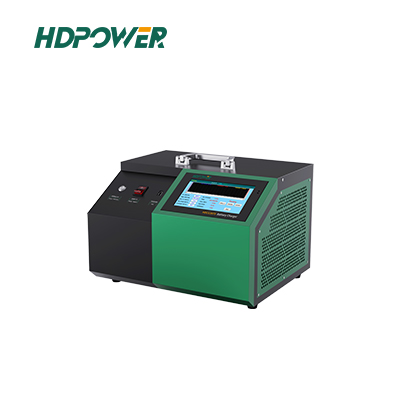
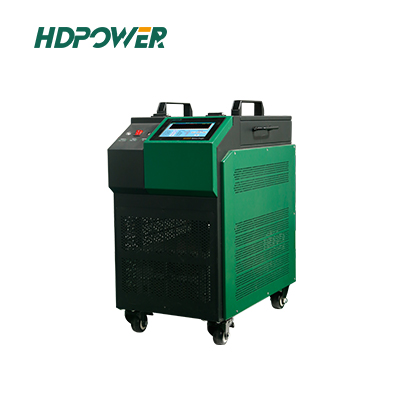
An industrial charger is a high-reliability power conversion device designed to charge batteries under continuous-duty or high-utilization conditions. Its primary role is to deliver stable DC power with controlled current and voltage while ensuring safe operation over extended periods.
Key characteristics of industrial chargers include:
- Continuous or high-duty charging capability
- Accurate current and voltage regulation
- Robust electrical and thermal protection
- Compatibility with industrial lithium battery systems
- Mechanical durability suitable for harsh environments
Unlike lightweight chargers, industrial chargers are engineered for long service life and predictable performance rather than compactness or portability.
Lithium Batteries and Industrial Charging Requirements
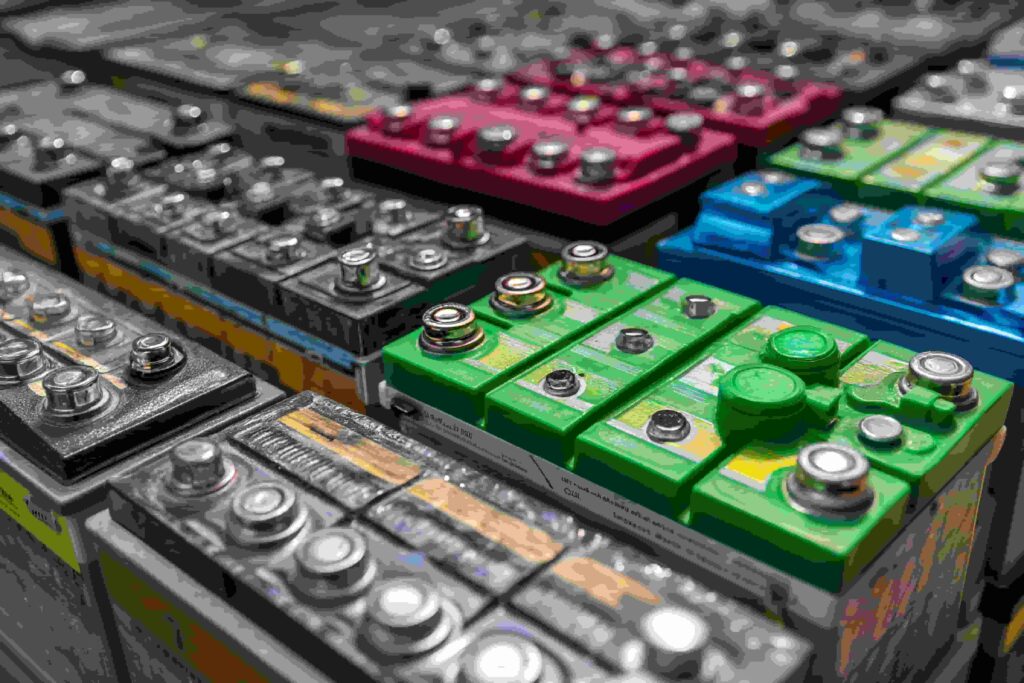
Lithium batteries have become the dominant energy storage technology in industrial applications due to their high energy density, fast charging capability, and long cycle life. Common chemistries include lithium iron phosphate (LFP) and ternary lithium systems such as NMC and NCA.
These batteries require precise charging control, particularly in terms of voltage limits and current regulation. Overcharging, excessive current, or unstable output can accelerate battery aging and increase safety risks. As a result, industrial chargers in 2026 emphasize electrical accuracy and protection rather than simple power output.
These batteries require precise charging control, particularly with respect to voltage limits and current stability. In industrial environments, improper charging can lead not only to accelerated battery aging but also to unplanned downtime. As a result, industrial chargers are often deployed together with diagnostic tools such as a battery charge tester, which is used to verify charging behavior, evaluate charge efficiency, and confirm that charging parameters remain within safe and effective ranges during operation.

Core Operating Principles of Industrial Chargers
AC-to-DC Power Conversion
At the core of every industrial charger is a power conversion system that transforms AC input into stable DC output suitable for battery charging. This process includes rectification, filtering, and regulation stages to ensure consistent output even when input voltage fluctuates or load conditions change.
High-quality power conversion reduces electrical stress on both the charger and the battery, contributing to longer equipment lifespan.
Controlled Charging Profiles
Industrial chargers apply predefined charging profiles rather than uncontrolled power delivery. For lithium batteries, this typically involves a constant current–constant voltage (CC–CV) charging approach.
During the constant current phase, the charger delivers a controlled current to raise battery voltage efficiently. Once the target voltage is reached, the charger transitions to constant voltage mode, allowing current to gradually decrease until charging is complete. This method ensures effective charging while protecting the battery from overvoltage.
Safety and Protection Functions
Safety is a fundamental requirement for industrial chargers, particularly in environments where equipment operates continuously or unattended.
Common protection mechanisms include:
● Overvoltage protection
● Overcurrent protection
● Short-circuit protection
● Thermal monitoring and shutdown
● Input and output isolation
These protections allow industrial chargers to operate reliably even under abnormal conditions, reducing the risk of equipment damage or battery failure.
Operational Reliability in Industrial Environments
Industrial chargers are frequently exposed to challenging operating conditions such as high ambient temperatures, dust, vibration, and long operating hours. As a result, mechanical design, cooling strategy, and component selection play a major role in charger reliability.
In 2026, industrial chargers are expected to deliver stable performance across multiple shifts without frequent maintenance or recalibration. Reliability is often valued more highly than maximum charging speed in industrial settings.
Applications of Industrial Chargers
Manufacturing and Warehousing
In manufacturing plants and warehouses, industrial chargers are widely used to support electric forklifts, AGVs, and material-handling equipment. These environments require chargers capable of repeated daily operation without performance degradation.
Energy Storage and Backup Power Systems
Industrial chargers are commonly used in energy storage systems and backup power installations for controlled charging, system commissioning, and routine maintenance. Stable charging helps maintain battery readiness and long-term reliability.
Electric Mobility and Specialized Equipment
Electric industrial vehicles, cleaning equipment, and specialized mobility platforms rely on industrial chargers for consistent and predictable charging cycles. These applications often operate on tight schedules where charging reliability directly affects productivity.
Automotive Aftermarket Applications
In the automotive aftermarket, industrial chargers are used to support auxiliary lithium battery systems, vehicle retrofits, off-road equipment, commercial vehicle modifications, and customized electrical setups. These systems often operate outside OEM charging environments and require robust, self-contained charging solutions.
Efficiency and Lifecycle Considerations
While charging efficiency remains important, industrial users increasingly evaluate chargers based on total lifecycle performance. Factors such as thermal stability, protection behavior, and long-term reliability often outweigh marginal efficiency gains.
A well-designed industrial charger reduces battery stress, lowers failure rates, and minimizes downtime, resulting in lower total cost of ownership.
Selecting an Industrial Charger in 2026
When selecting an industrial charger, practical evaluation should focus on:
● Battery chemistry and voltage compatibility
● Required charging current and duty cycle
● Environmental operating conditions
● Protection features and safety compliance
● Mechanical robustness and cooling design
Selecting a charger that aligns with real operating conditions is more effective than choosing one based solely on rated power.
Common Misunderstandings About Industrial Chargers
One common misunderstanding is that faster charging always improves operational efficiency. In practice, overly aggressive charging can increase thermal stress and shorten battery life.
Another misconception is that industrial chargers must be highly complex to be effective. In many applications, stable, well-controlled charging with robust protection delivers better long-term results than unnecessary system complexity.
Conclusion
In 2026, industrial chargers remain a cornerstone of reliable battery-powered systems across industrial, energy, and automotive aftermarket applications. By delivering controlled charging, strong protection, and long-term stability, industrial chargers play a critical role in maintaining battery performance and operational continuity.
A practical understanding of how industrial chargers work—and how to apply them correctly—allows engineers and operators to protect battery investments, reduce downtime, and build dependable energy systems suited for demanding industrial environments.