Introduction
Lithium battery packs are built by connecting multiple cells in series and parallel to achieve the required voltage and capacity. Although the cells may have the same nominal specifications, their actual voltage, capacity, internal resistance, and aging characteristics can gradually become different during operation.
This difference between individual cells is known as cell imbalance. If the voltage difference becomes significant, the usable capacity of the battery pack can decrease, charging and discharging performance can become inconsistent, and some cells may reach their voltage limits earlier than others.
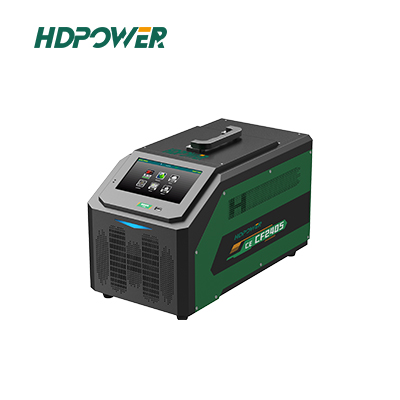
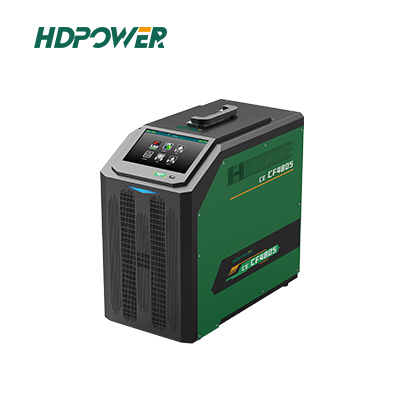
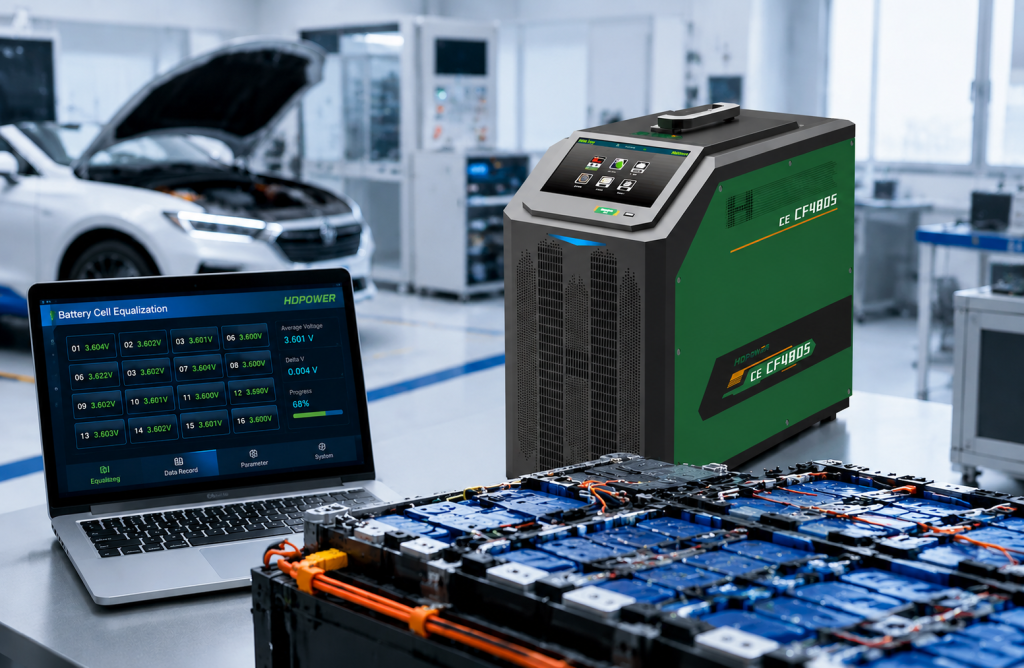
A Lithium Battery Balancing Machine is designed to correct these differences by controlling the electrical condition of individual cells or battery modules. It can be particularly useful for EV battery repair, energy storage maintenance, battery pack servicing, and lithium battery testing.
What Is a Lithium Battery Balancing Machine?
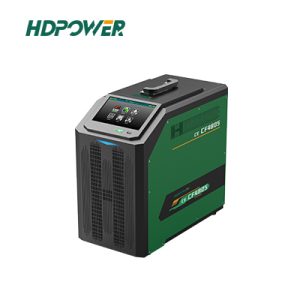
A Lithium Battery Balancing Machine is specialized equipment used to reduce voltage or state-of-charge differences between cells in a lithium battery pack.
In a series-connected battery pack, all cells share the same charging and discharging path, but individual cells do not always behave identically. Differences in manufacturing, capacity, self-discharge, temperature, internal resistance, and aging can cause cell voltages to gradually diverge. Research on lithium-ion cell equalization identifies these variations as important causes of battery imbalance and performance degradation.
For example, a battery pack may contain several cells with relatively similar voltages, while one or more cells gradually become higher or lower than the others. If the difference continues to increase, the weakest or strongest cell can determine the operating limits of the entire pack.
A Lithium Battery Equalizer provides a controlled method for reducing these differences and improving cell consistency.
Why Do Lithium Battery Cells Become Imbalanced?
Cell imbalance can develop even when batteries are manufactured to the same specifications.
Common causes include:
- Differences in cell capacity
- Different internal resistance
- Unequal self-discharge rates
- Temperature differences
- Manufacturing tolerances
- Different aging rates
- Long-term charge and discharge cycling
- Inconsistent operating conditions
As a battery pack ages, these differences can become more noticeable.
For example, if one cell has lower usable capacity than the other cells, it may reach the upper voltage limit earlier during charging or reach the lower voltage limit earlier during discharge. The battery management system may then restrict the entire pack even though other cells still have available capacity.
This is one reason cell balancing is an important part of lithium battery management and maintenance.
How Does Lithium Battery Balancing Work?
The basic purpose of balancing is to reduce the electrical difference between cells.
There are two common approaches: passive balancing and active balancing.
Passive Battery Balancing
Passive balancing removes excess energy from higher-voltage cells, usually by dissipating the energy as heat through resistive components.
The approach is relatively simple and can be cost-effective, but the excess energy is not transferred to weaker cells. Instead, it is converted into heat.
Active Battery Balancing
Active balancing transfers energy from cells with higher energy or voltage toward cells with lower energy or voltage.
Different active balancing architectures can use capacitors, inductors, transformers, or DC-DC converter-based circuits. Recent reviews continue to classify active balancing according to energy-transfer paths and converter structures, with efficiency, balancing speed, complexity, and control being important considerations.
For service and maintenance applications, the most important consideration is not simply whether a system is called “active” or “passive.” The equipment should provide a balancing method, current level, voltage accuracy, and operating range appropriate for the battery being serviced.
What Happens When Cell Voltage Differences Become Too Large?
Cell imbalance can affect the entire battery pack because cells connected in series are electrically dependent on one another.
Suppose a battery pack contains multiple cells with similar voltage levels, but one cell has significantly lower capacity. During discharge, that cell may reach its lower voltage limit before the other cells. Continuing to discharge the pack can therefore place the weaker cell under greater stress.
The opposite situation can occur during charging. A higher-voltage cell may reach its upper voltage limit before the remaining cells are fully charged.
As a result, cell imbalance can contribute to:
- Reduced usable battery capacity
- Shorter operating time
- Uneven cell aging
- Earlier charging or discharging cutoff
- Reduced battery pack performance
- Increased maintenance requirements
Research reviews consistently identify cell balancing as an important measure for improving the usable performance and safe operation of series-connected lithium-ion battery packs.
Key Features to Consider in a Lithium Battery Balancing Machine
Choosing the right balancing equipment requires more than checking the product name. The actual battery configuration and maintenance objective should determine the equipment specifications.
- Balancing Current
Balancing current directly affects how quickly the voltage difference can be corrected.
A low-current balancer may be suitable for applications where balancing takes place gradually, while service centers and battery repair applications may require higher current to reduce balancing time.
However, higher current is not automatically better. The current should be appropriate for the battery cells, wiring, connectors, and manufacturer’s requirements.
- Voltage Measurement Accuracy
Accurate cell voltage measurement is essential.
If the equipment cannot accurately distinguish small voltage differences, it becomes difficult to determine whether cells are genuinely balanced.
High measurement accuracy is especially valuable when technicians are working with battery packs containing many series-connected cells.
- Supported Cell Count
Different battery packs contain different numbers of cells.
A balancing machine should support the required number of cells or modules without requiring complicated equipment changes.
For EV battery modules and energy storage batteries, scalability can be particularly important because the number of series-connected cells can vary significantly between battery designs.
- Battery Chemistry
The equipment should be compatible with the battery chemistry being serviced.
Common lithium battery chemistries include lithium iron phosphate (LFP) and nickel-manganese-cobalt-based ternary lithium batteries. Their operating voltage characteristics and recommended limits are not necessarily identical.
Technicians should always configure balancing parameters according to the battery manufacturer’s specifications.
- Charging, Discharging, and Balancing Functions
For professional battery maintenance, balancing alone may not provide enough information about the condition of a battery.
A more complete workflow can include:
Initial testing → Cell balancing → Charge/discharge testing → Final evaluation
Combining these functions can help technicians determine whether a voltage difference is simply caused by imbalance or is associated with a deeper cell performance problem.
How to Check a Battery Before Balancing
Balancing should not automatically be the first step whenever a battery shows a voltage difference.
Technicians should first identify the condition of the battery pack.
A useful inspection process can include:
- Measure individual cell voltages.
- Record the maximum and minimum cell voltage.
- Calculate the voltage difference.
- Check for abnormal cells.
- Inspect connections and wiring.
- Evaluate battery capacity when necessary.
- Determine whether balancing is appropriate.
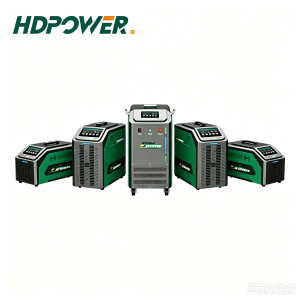
A Lithium Battery Tester can be useful during this initial evaluation because technicians may need to check voltage and other battery parameters before deciding whether balancing is required.
This approach can help prevent a common maintenance mistake: attempting to balance a battery when one or more cells have already developed a serious capacity or performance problem.
Balancing Lithium Battery Packs for EV and Energy Storage Applications
Lithium battery balancing is particularly relevant to applications where many cells operate together in a battery pack.
EV Battery Maintenance
Electric vehicle battery packs contain large numbers of interconnected cells and modules. Differences between cells can affect available capacity and pack performance.
For EV service centers and battery repair businesses, a balancing machine can be used during battery diagnosis and maintenance when cell voltage differences are identified.
Energy Storage Systems
Energy storage batteries may undergo frequent charging and discharging over long operating periods. Differences between cells can gradually increase as the battery ages.
Industrial lithium battery safety standards such as IEC 62619:2022 cover secondary lithium cells and batteries used in industrial applications, including stationary applications such as telecom, UPS, and electrical energy storage systems.
For energy storage maintenance, balancing can therefore be part of a broader battery inspection and performance evaluation process.
Battery Pack Repair
Battery repair providers often need to determine whether a battery pack can be restored through maintenance or whether individual cells or modules require replacement.
Balancing can help correct cell-to-cell differences, but it should be combined with electrical testing to determine the underlying condition of the battery.
How to Choose the Right Lithium Battery Balancer
When selecting a Lithium Battery Balancer, consider the following questions:
- What is the battery chemistry?
- How many cells are connected in series?
- What is the cell voltage range?
- How large is the voltage difference between cells?
- What balancing current is required?
- How accurate does voltage measurement need to be?
- Is the equipment intended for cells, modules, or complete battery packs?
- Does the application require charging and discharging as well as balancing?
- Is automatic data recording required?
- What safety protections are included?
The answers to these questions are more important than simply choosing a machine with the highest current or largest cell count.
For a professional workshop, for example, reducing balancing time may be a major priority. For laboratory testing, measurement accuracy and data recording may be more important. For energy storage maintenance, voltage range, scalability, and long-duration operation may have greater importance.
How to Verify Battery Performance After Balancing
Completing a balancing process does not necessarily mean that the battery has been fully restored.
After balancing, technicians should evaluate whether the battery performs consistently under charging and discharging conditions.
Useful measurements can include:
- Cell voltage consistency
- Pack voltage
- Charge behavior
- Discharge behavior
- Capacity
- Internal resistance
- Voltage difference under load
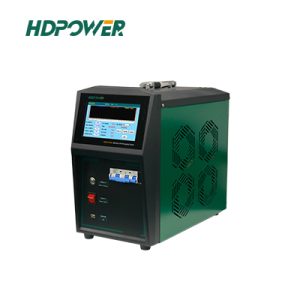
A Battery Capacity Tester can be used to verify whether the battery can still deliver the expected capacity after balancing.
This is particularly important when a battery has been in service for a long time. A pack may show good voltage consistency after balancing but still have reduced capacity because of aging or degraded cells.
Balancing Is Not the Same as Replacing a Bad Cell
One of the most important points in battery maintenance is that balancing cannot repair every type of battery problem.
If a cell has significantly lower capacity, abnormal self-discharge, high internal resistance, or physical damage, simply balancing the voltage may not solve the underlying problem.
Balancing is most useful when the cells are fundamentally serviceable but have developed an electrical imbalance.
Therefore, professional battery maintenance should distinguish between:
Voltage imbalance
and
Cell degradation or failure
Testing before and after balancing helps technicians make this distinction.
Conclusion
A Lithium Battery Balancing Machine can be an important tool for maintaining the electrical consistency of cells in lithium battery packs. By reducing voltage differences between cells, balancing equipment can help improve pack consistency and support battery maintenance.
However, effective battery maintenance requires more than balancing alone. The battery should first be evaluated to determine the cause and severity of the imbalance. After balancing, capacity and other electrical characteristics should be checked to verify the actual condition of the battery.
For EV repair shops, battery service centers, energy storage maintenance teams, and battery manufacturers, the most important selection factors include balancing current, voltage measurement accuracy, supported cell count, battery chemistry, operating range, safety protection, and testing functions.
Choosing equipment according to the actual battery configuration and maintenance objective can make balancing more efficient and help technicians make better decisions about battery repair, reuse, or replacement.
If you are looking for lithium battery balancing equipment for cell, module, or battery pack maintenance, define your required cell count, voltage range, balancing current, and battery chemistry first. This will make it easier to select a suitable balancing solution for your application.