Introduction: The Hidden Cost of Voltage Inconsistency
In the world of industrial power—whether for AGVs, electric forklifts, or energy storage stations—battery capacity degradation is a costly challenge. Often, the culprit isn’t the failure of an entire battery pack, but rather the inconsistency of a single cell. This is where a battery voltage balancing machine becomes an essential tool for fleet maintenance and repair.
By addressing the “barrel effect”—where the weakest cell determines the entire pack’s performance—a high-quality balancing machine can restore capacity, guarantee safety, and significantly extend the service life of lithium batteries.
What is a Battery Voltage Balancing Machine?
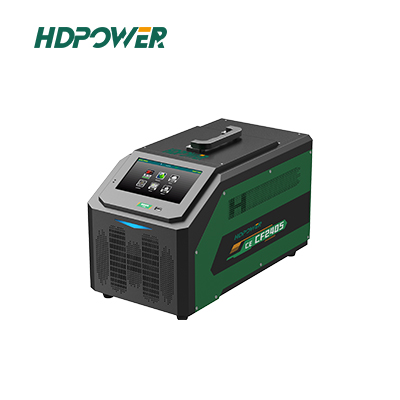
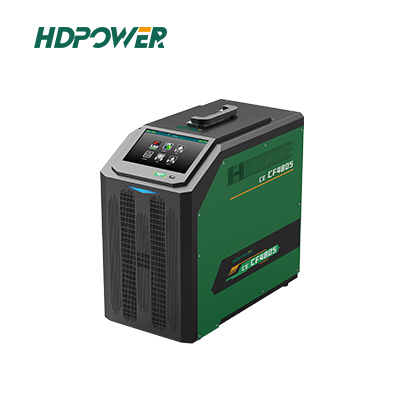
A battery voltage balancing machine (also known as an equalizing tester) is a specialized device designed to perform maintenance on battery modules. It solves issues related to voltage differences between cells through precise charging and discharging cycles.
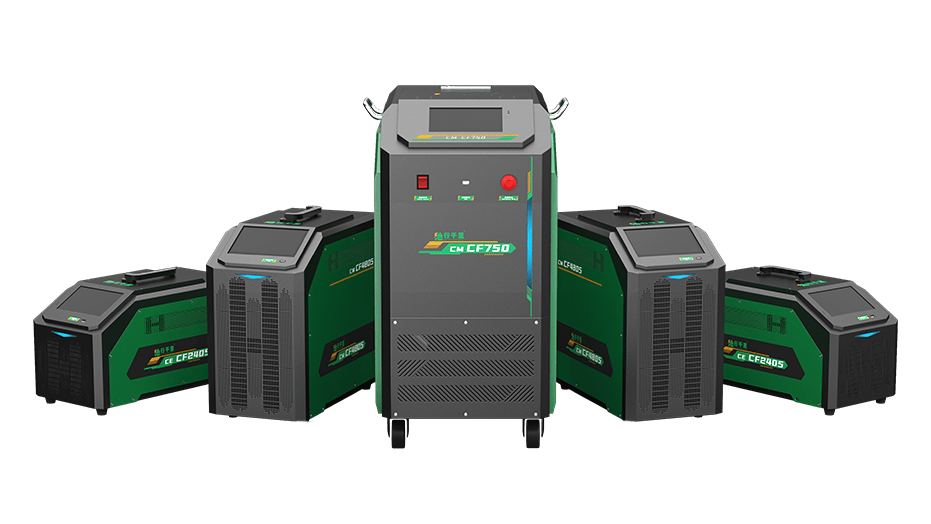
Modern devices, such as the CE-CF Series, go beyond simple balancing. They offer a comprehensive suite of maintenance modes including replenishment, discharging, and equalizing to suit different working conditions.

Key Features to Look for in a Professional Balancer
When selecting a battery voltage balancing machine, technical precision and safety features are paramount. Based on industry standards and the capabilities of the Battery Equalizer, here are the must-have features:
1. Multi-Functional Maintenance Modes
A superior machine should not be a “one-trick pony.” It must support various modes to handle different repair scenarios:
● Equalizing: This is critical for fixing voltage discrepancies. Advanced units use “end depolarization” to guarantee highly consistent effects after the process.
● Parallel Charging & Discharging: Essential for routine maintenance and capacity testing.
2. High Compatibility and Scalability
Batteries come in various chemistries. Professional testers support mainstream lithium types, including LFP (Lithium Iron Phosphate), Li-NMC, and LTO (Lithium Titanate).
● Voltage Range: Look for a wide range, such as DC 1.500V to 4.350V, to cover these different chemistries.
● Channel Expansion: Equipment that supports expanding from 1 to 6 channels allows for simultaneous maintenance of multiple strings, increasing efficiency for large fleets.
3. Intelligent Data Management
In the age of digital maintenance, data is king. A top-tier battery voltage balancing machine should include PC data management software.
● Visualization: The ability to view voltage and current curves, as well as cell histograms, helps technicians diagnose issues visually.
● Reporting: Automated generation of data reports (Excel/Word) is crucial for tracking battery health over time.
4. Safety and Protection Mechanisms
Working with lithium batteries requires strict safety protocols. The machine must have independent channel designs to prevent interference and over-charging/discharging. Essential hardware protections include:
● Reverse connection protection.
● Over-voltage and under-voltage protection.
● Cross-connection and leakage protection.
Applications: Who Needs This Technology?
The battery voltage balancing machine is a critical asset for several specific sectors.
AGV and Electric Forklifts
Automated Guided Vehicles (AGVs) and electric forklifts rely on consistent power for 24/7 operations. Voltage inconsistency leads to reduced endurance (e.g., dropping from 300KM to 200KM range). Regular equalization ensures these vehicles operate at peak efficiency.
Battery Warehousing and Repair Centers
For businesses dealing with battery storage or repair, these machines facilitate the charging and discharging of battery modules before shipment or during regular maintenance cycles.
New Energy Electric Vehicles
As the EV market grows, so does the need for repairing voltage differences in module cells to solve capacity degradation issues without replacing the entire expensive battery pack.
Technical Insight: How the Process Works
Using a battery voltage balancing machine involves a systematic approach to ensure safety and accuracy.
1.Connection Sequence: Proper wiring is critical. For devices like the CE-CF4805, the acquisition wires must be connected to the battery first (sequence: B1-, B1+, B2+…) before plugging into the device to avoid arcing or damage.
2.Parameter Setting: Technicians select a preset template matching the battery type (e.g., LFP preset at 3.65V) or manually input parameters like “High Voltage Limit” and “Target Balancing Voltage”.
3.Automated Execution: The machine performs the cycle (Charge/Discharge/Equalize). For example, it might discharge high-voltage cells and charge low-voltage cells to bring the maximum differential voltage down to as low as 0.005V.
4.Verification: The process is verified using bar graphs and data logs to ensure all cells are within the target range.
Conclusion
Investing in a high-performance battery voltage balancing machine is not just about repair—it is about strategic asset management. By ensuring the consistency of cell voltage, businesses can significantly extend the lifecycle of their battery assets, improve safety performance, and reduce the long-term costs associated with battery replacement.
Whether you are managing a warehouse of electric forklifts or repairing new energy vehicles, the ability to diagnose and balance battery cells is the key to maintaining operational efficiency.
Ready to optimize your battery maintenance? Ensure you choose a tester that offers PC data integration, wide voltage compatibility, and robust safety features to get the most out of your lithium battery investments.