Introduction
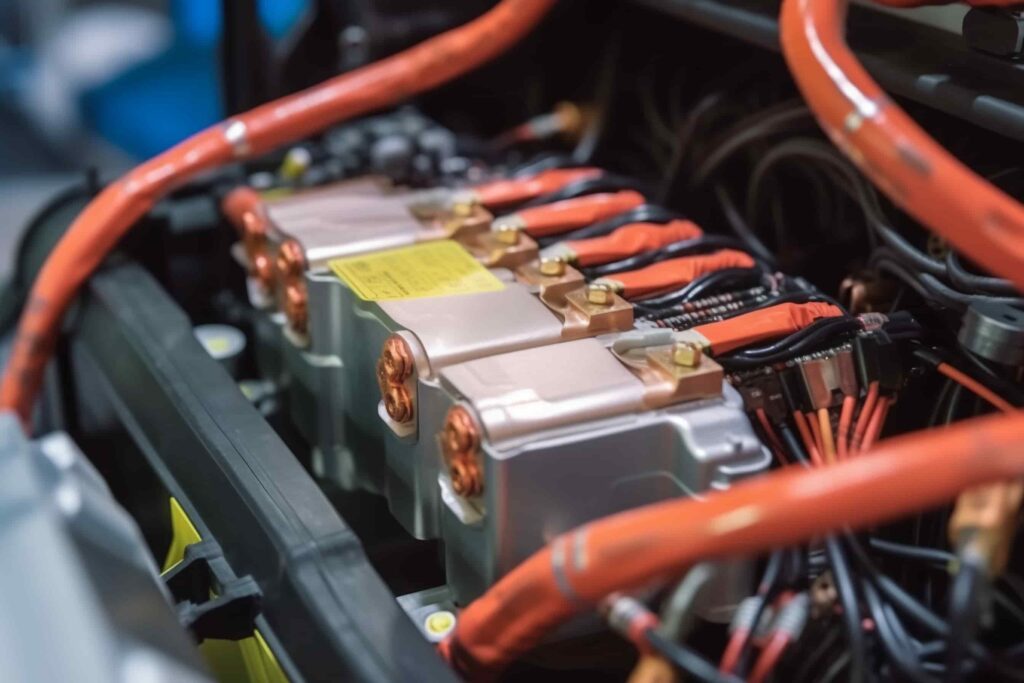
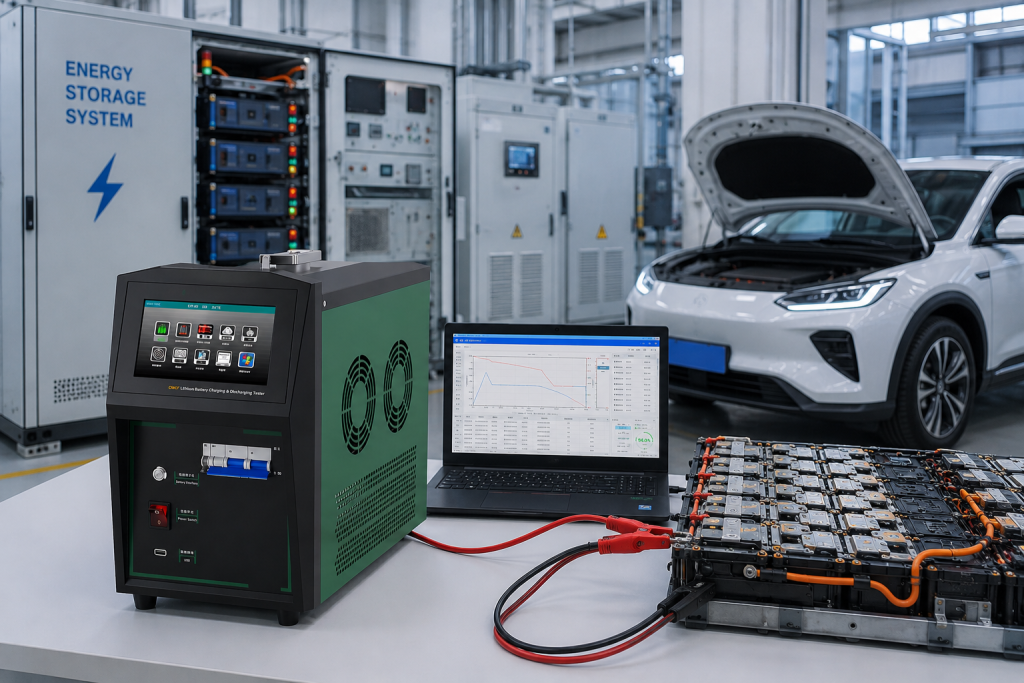
Lithium batteries are widely used in electric vehicles, energy storage systems, industrial equipment, and other applications where reliable energy performance is essential. However, a battery’s initial capacity does not fully represent how it will perform after repeated use.
A Lithium Battery Cycling System allows batteries to undergo controlled charge and discharge cycles while recording important electrical data. By analyzing changes in capacity, voltage, current, energy, and other parameters over multiple cycles, engineers can evaluate battery performance, degradation, and cycle life.
For battery manufacturers, EV service providers, energy storage companies, and testing laboratories, the right cycling equipment can make battery evaluation more accurate, repeatable, and efficient.
What Is a Lithium Battery Cycling System?
A Lithium Battery Cycling System is a test setup used to repeatedly charge and discharge lithium batteries under predefined conditions.
A typical cycle includes:
Charge → Rest → Discharge → Rest → Data Recording → Repeat
The equipment controls the charging and discharging process while monitoring the battery throughout the test. Depending on the application, testing can be performed on individual cells, modules, or complete battery packs.
The main purpose is to understand how battery performance changes with repeated operation. IEC 62660-1:2018, for example, specifies performance and life testing for lithium-ion cells used in electric vehicle propulsion, including evaluation of capacity, energy density, power density, storage life, and cycle life.
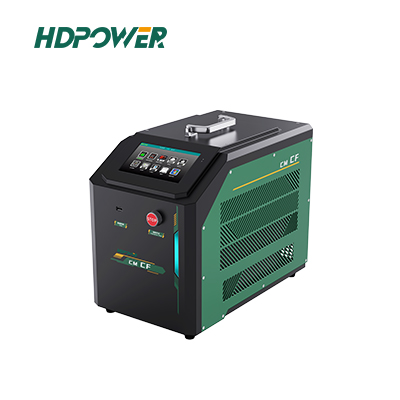
For broader battery evaluation, a Lithium Battery Tester can be used to measure and analyze key battery parameters before or after cycling tests.
Why Is Battery Cycling Testing Important?
A single charge or discharge test provides a snapshot of battery performance. Cycling testing provides a much more useful picture of how that performance changes over time.
Evaluate Cycle Life
Repeated charge and discharge testing helps determine how many cycles a battery can complete before its performance falls below a defined level.
Cycle life is particularly important for batteries used in EVs and energy storage systems, where frequent charging and discharging is part of normal operation.
Monitor Capacity Retention
Battery capacity can gradually decrease as the battery ages.
By measuring discharge capacity at regular intervals, engineers can create a capacity-retention curve and identify changes in battery performance.
Compare Battery Designs
Cycling tests can also be used to compare different:
- Battery chemistries
- Cell designs
- Charging strategies
- Discharge rates
- Operating conditions
- Battery pack configurations
Standardized testing makes it easier to compare results between different battery designs. SAE J3220, for example, defines common performance and life-cycle test procedures for lithium-ion cells used primarily in electric vehicle propulsion applications.
How Does a Lithium Battery Cycling Test Work?
The exact test procedure depends on the battery and the purpose of the test, but the basic process is relatively simple.
First, the battery is charged according to a predefined voltage and current profile. For many lithium-ion batteries, charging involves a constant-current stage followed by constant-voltage charging.
After charging, the battery may rest for a specified period before controlled discharge begins.
During discharge, the testing system measures voltage and current while calculating parameters such as capacity and energy. After the discharge reaches the specified cutoff condition, another rest period may be applied before the next cycle begins.
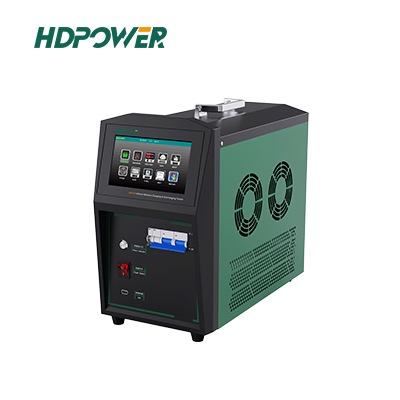
A programmable Lithium Battery Charger Discharger is therefore particularly useful for cycling applications because it can control both sides of the charge-discharge process.
Key Parameters to Consider
The performance of a cycling system depends heavily on how accurately it can control and record the test conditions.
Voltage Range
The equipment should provide a voltage range suitable for the battery being tested.
Cell-level testing normally requires a very different voltage range from module- or pack-level testing. Selecting equipment with an appropriate operating range is therefore one of the first steps in system selection.
Charge and Discharge Current
The required current depends on battery capacity and the intended test profile.
A system for laboratory cell testing may require relatively low current, while battery pack testing can require significantly higher current.
The equipment should provide sufficient current capacity without sacrificing control accuracy.
Charging and Discharging Modes
Different tests may require different control methods, including:
- Constant-current charging
- Constant-voltage charging
- Constant-current discharge
- Constant-power discharge
- Programmable cycling
- Automatic cutoff
- Rest periods
The more flexible the control modes are, the easier it is to reproduce different battery operating conditions.
Data Recording
Cycling tests can generate a large amount of data, particularly during long-duration tests.
Important parameters may include:
- Voltage
- Current
- Capacity
- Energy
- Cycle number
- Test duration
- Charge/discharge status
Reliable data recording makes it easier to compare batteries, identify performance changes, and generate test reports.
What Should You Look for in Lithium Battery Test Equipment?
When choosing Lithium Battery Test Equipment, it is important to look beyond the maximum voltage and current specifications.
The system should match the actual testing requirements of the battery.
Consider the following factors:
Battery type: Determine whether the system will test LFP, ternary lithium, or other rechargeable lithium battery technologies.
Test object: Decide whether the equipment will be used for cells, modules, or complete battery packs.
Voltage and current: Select a suitable operating range based on the battery’s electrical specifications.
Control modes: Check whether the equipment supports the required charging and discharging methods.
Automation: Automatic cycling sequences can reduce manual operation and improve test consistency.
Data management: Look for convenient data storage, analysis, and report generation.
Protection: Appropriate overvoltage, overcurrent, overheating, and other safety functions are important for battery testing.
A well-matched system can improve testing efficiency while reducing unnecessary equipment investment.
Applications of Lithium Battery Cycling Systems
Lithium battery cycling is used in several industries.
Electric Vehicle Batteries
EV batteries undergo repeated charging and discharging during normal operation. Cycling tests can be used to evaluate capacity retention, performance degradation, and other characteristics.
SAE also provides recommended practices specifically addressing lithium-ion cell performance and life-cycle testing for electric vehicle propulsion applications.
Energy Storage Systems
Energy storage batteries may experience frequent charge and discharge cycles. Long-term cycling tests can help manufacturers and system integrators evaluate battery performance under defined operating conditions.
Battery Manufacturing
Manufacturers can use cycling tests for product development, quality control, sample comparison, and performance verification.
Battery Service and Maintenance
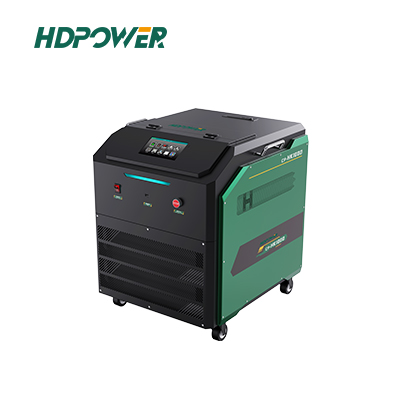
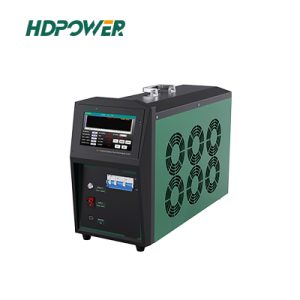
Controlled discharge testing can help technicians evaluate battery performance when a battery shows reduced capacity or abnormal operating behavior. A Lithium Battery Discharger can be useful when a controlled discharge profile is required.
Battery Capacity and Cycling Performance
Capacity is one of the most important measurements during battery cycling.
A battery may initially deliver close to its rated capacity, but its available capacity can change after repeated cycling. Measuring discharge capacity at different stages allows engineers to monitor capacity retention.
For more focused capacity evaluation, a Battery Capacity Tester can be used alongside other battery testing equipment.
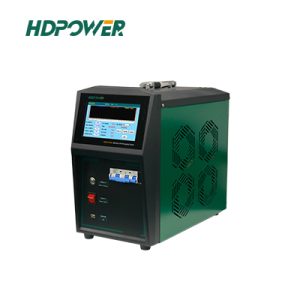
Capacity should not, however, be considered in isolation. Voltage behavior, current response, energy efficiency, and other electrical characteristics can provide additional information about battery condition.
Recent research also shows that the selected state-of-charge window can have a significant influence on lithium-ion battery aging, demonstrating why controlled and repeatable cycling conditions are important when comparing test results.
How to Choose the Right Cycling Solution
There is no single cycling configuration suitable for every lithium battery application.
Before selecting equipment, define:
- Battery voltage range
- Maximum charging current
- Maximum discharge current
- Battery chemistry
- Cell, module, or pack testing
- Required charging and discharging modes
- Number of cycles
- Data recording requirements
- Protection requirements
- Required test reports
For small-cell laboratory testing, the priorities may be accuracy and programmable control. For battery pack testing, voltage range, current capability, protection, and automated operation may become more important.
The best solution is therefore the one that matches the actual battery specifications and test procedure rather than simply choosing the equipment with the highest rated output.
Conclusion
A Lithium Battery Cycling System provides a controlled way to evaluate how lithium batteries perform over repeated charge and discharge cycles. By monitoring capacity, voltage, current, energy, and other parameters, manufacturers and battery service providers can better understand battery performance and degradation.
For practical battery testing, the complete setup may include a Lithium Battery Charger Discharger for controlled charging and discharging, a Lithium Battery Tester for battery evaluation, and a Lithium Battery Discharger for dedicated discharge testing.
Choosing the right equipment requires careful consideration of battery chemistry, voltage, current, test object, cycling profile, automation, data management, and safety.
With the right testing configuration, battery manufacturers, EV service centers, energy storage companies, and laboratories can obtain more consistent test results and make better decisions about battery quality, performance, and service life.