Introduction
Lead acid batteries remain one of the most widely used energy storage solutions for backup power systems, including UPS, telecommunications, substations, data centers, and industrial control systems. Although these batteries are designed for long service life, their actual performance gradually declines due to aging, sulfation, improper charging, and repeated operating cycles.
A battery voltage measurement or simple inspection cannot accurately determine whether a lead acid battery can still provide reliable backup power. The most effective way to evaluate battery condition is through controlled charge and discharge testing, which verifies the actual capacity and performance under real operating conditions.
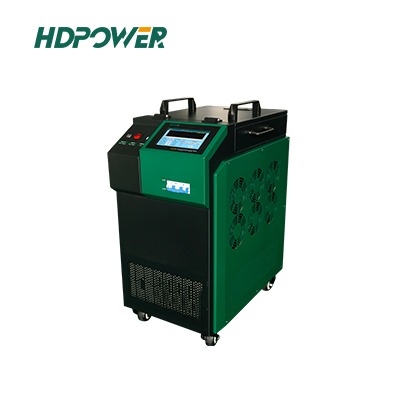
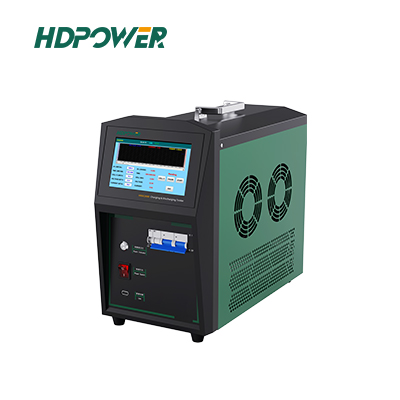
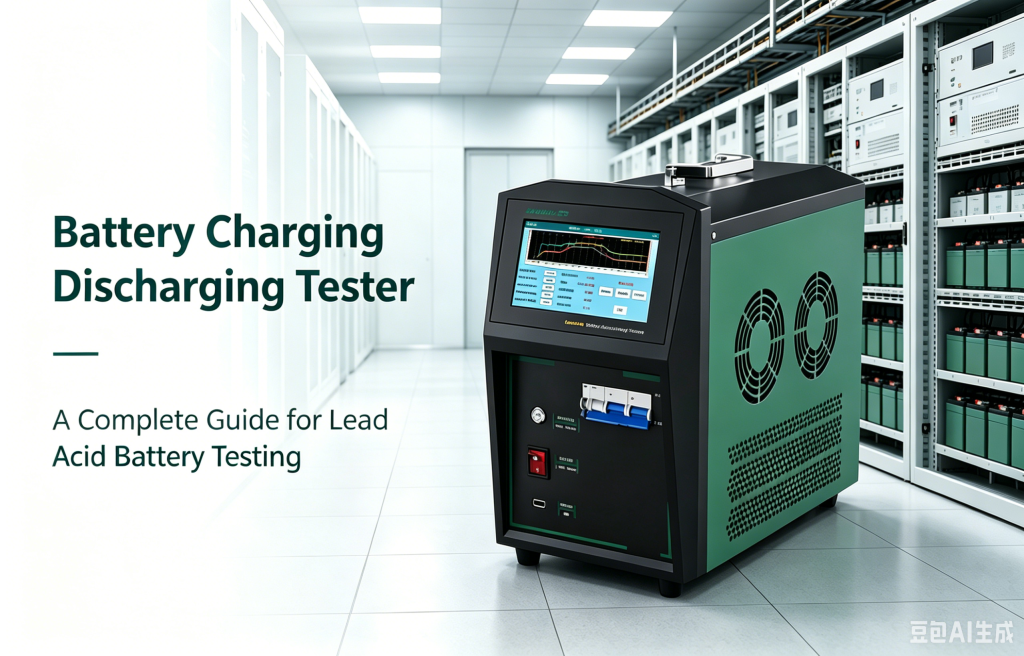
A Battery Charge Discharge Analyzer is a professional testing device designed to analyze the charging and discharging characteristics of lead acid batteries. It can accurately measure voltage, current, capacity, discharge time, and other key parameters to help engineers evaluate battery health and identify potential failures before they affect critical power systems.
By combining intelligent charging control, controlled discharge testing, and data analysis functions, modern battery analyzers provide an efficient solution for battery maintenance, quality inspection, and lifecycle management.
Why Lead Acid Battery Charge and Discharge Testing Is Important
Battery Voltage Alone Cannot Show Real Battery Health
Many lead acid batteries remain at normal voltage levels while their actual capacity has already decreased significantly.
For example, a battery may show normal floating voltage during standby operation but fail to provide sufficient backup time during a power outage.
Common causes of performance degradation include:
- Plate sulfation
- Reduced active material
- Electrolyte deterioration
- Increased internal resistance
- Long-term undercharging or overcharging
Therefore, measuring only voltage cannot provide a complete evaluation of battery condition.
A professional Battery Charge Discharge Analyzer performs a controlled discharge process to determine how much energy the battery can actually deliver.
What Is a Battery Charge Discharge Analyzer?
A Battery Charge Discharge Analyzer is an advanced instrument that performs programmable charging and discharging tests on rechargeable batteries.
For lead acid battery applications, the analyzer typically controls:
- Charging current
- Charging voltage
- Discharge current
- Discharge duration
- Termination voltage
- Test cycles
During the test process, the equipment continuously collects voltage and current data and calculates important parameters such as:
- Actual battery capacity (Ah)
- Discharge energy (Wh)
- Charging efficiency
- Voltage curve
- Battery performance trend
Charge-discharge testing is commonly used to verify the remaining capacity of used batteries and compare actual performance with rated specifications.
Key Functions of Battery Charge Discharge Analyzer
- Accurate Battery Capacity Verification
Battery capacity is one of the most important indicators for evaluating lead acid battery performance.
A battery with reduced capacity may not provide enough backup time even if the voltage appears normal.
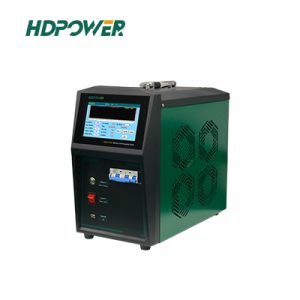
A professional Battery Capacity Tester performs a controlled discharge test to measure the actual available capacity of the battery.
Capacity testing helps users:
- Identify weak batteries
- Replace aging battery units
- Verify new battery quality
- Improve maintenance planning
This is especially important for large battery banks used in UPS systems, telecom stations, and power facilities.
- Controlled Charging and Discharging Process
Lead acid batteries require proper charging methods to maintain performance.
A battery analyzer can simulate different operating conditions through:
- Constant current charging
- Constant voltage charging
- Constant current discharge
- Constant power discharge
This allows engineers to evaluate battery behavior under different conditions.
Compared with manual testing methods, automated charge and discharge testing improves accuracy and reduces human errors.
- Battery Discharge Performance Analysis
Discharge testing is the most direct method to verify whether a battery can support actual loads.
During testing, a Battery Discharge Tester applies a controlled load to the battery while monitoring:
- Voltage decline
- Discharge current
- Remaining capacity
- Discharge time
The results help determine whether the battery can meet backup power requirements.
For example, in UPS applications, a discharge test can identify batteries that appear normal during standby operation but cannot provide sufficient runtime during an outage.
Applications of Battery Charge Discharge Analyzer
UPS Battery Testing
UPS systems depend on lead acid batteries to provide uninterrupted power when the main power supply fails.
Regular battery testing helps prevent:
- Unexpected backup failures
- Data center downtime
- Equipment damage
- Emergency power interruptions
A Battery Charge Discharge Analyzer enables maintenance teams to evaluate:
- Battery capacity
- Battery aging condition
- Backup duration
- Battery replacement timing
Telecom Battery Maintenance
Communication base stations usually rely on 48V lead acid battery banks as backup power sources.
Because telecom systems require high reliability, battery performance must be regularly verified.
Battery analysis equipment helps technicians:
- Test battery banks
- Compare individual battery performance
- Detect capacity loss
- Improve maintenance efficiency
Substation and Power System Battery Testing
In substations, lead acid battery systems provide emergency DC power for:
- Protection relays
- Control systems
- Circuit breakers
- Communication equipment
Failure of these batteries may affect the safety and stability of the entire power system.
Regular charge and discharge analysis ensures that backup batteries remain reliable when emergency power is required.
Battery Manufacturing and Quality Inspection
Manufacturers also use battery analyzers for production testing and quality control.
Typical applications include:
- New battery capacity verification
- Production sampling inspection
- Charging performance testing
- Aging evaluation
Testing data can help manufacturers improve consistency and ensure battery products meet technical specifications.
Battery Charge Discharge Analyzer vs Traditional Battery Testing Methods
Traditional battery inspection methods often include:
- Voltage measurement
- Visual inspection
- Simple load testing
However, these methods cannot provide complete information about battery capacity and long-term performance.
| Testing Method | Main Function |
| Voltage Test | Checks battery voltage status |
| Internal Resistance Test | Evaluates battery condition |
| Charge Discharge Analysis | Measures actual capacity and performance |
| Cycle Testing | Evaluates long-term durability |
A Battery Charge Discharge Analyzer provides deeper performance analysis by recording the complete charging and discharging process.
How to Choose the Right Battery Charge Discharge Analyzer
- Consider Battery Voltage Range
Different applications require different voltage capabilities.
The analyzer should support:
- Individual lead acid batteries
- Battery modules
- Battery strings
- High-voltage battery banks
- Select Appropriate Discharge Current
The discharge current determines whether the test can simulate real operating conditions.
For example:
- Small UPS batteries require moderate discharge current
- Large telecom battery banks require higher current capability
- Industrial systems require stable long-duration discharge
- Check Data Management Functions
Professional battery testing requires accurate data recording.
Useful functions include:
- Automatic test reports
- Data storage
- Curve analysis
- USB/LAN communication
- Test result comparison
These features improve maintenance efficiency and support predictive battery management.
Other Battery Testing Applications
Although lead acid batteries are one of the main applications of charge and discharge analysis, similar testing principles are also used for other rechargeable battery technologies.
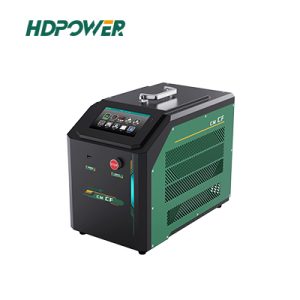
For lithium battery applications, specialized equipment such as a Lithium Battery Charger Discharger can provide controlled charging and discharging processes for lithium battery cells, modules, and packs.
Conclusion
A Battery Charge Discharge Analyzer provides an accurate and reliable method for evaluating lead acid battery performance. By performing controlled charging and discharging tests, it helps users measure actual capacity, identify aging batteries, and improve backup power reliability.
For UPS systems, telecommunications, substations, and industrial power applications, regular battery charge and discharge testing is essential for preventing unexpected failures.
Compared with simple voltage checks, professional analysis equipment provides deeper insights into battery condition and helps organizations extend battery service life while reducing maintenance costs.
For companies looking to improve battery maintenance efficiency, integrating a reliable Battery Charge Discharge Tester into their testing process is an effective solution for achieving accurate and repeatable battery performance evaluation.