In modern energy systems, the Battery Charge Discharge Tester plays a crucial role in evaluating performance, stability, and capacity retention. Whether in lithium-ion, lead-acid, or nickel-based batteries, accurate charge–discharge analysis ensures that every cell operates at its rated efficiency. A high-precision tester is not just a diagnostic device — it’s a quality assurance instrument that validates a battery’s real-world performance, detects aging trends, and optimizes the entire lifecycle of energy storage systems.
Why Battery Charge and Discharge Testing Matters
Batteries degrade over time due to chemical imbalance, temperature stress, and repetitive cycling. While voltage and resistance monitoring provide general insights, only charge–discharge testing reveals the true capacity and health of a cell or pack.
A Battery Charge Discharge Tester simulates actual working conditions, discharging the battery under controlled load and then recharging it under precise voltage and current settings. By recording these parameters in real time, engineers can assess:
- Actual capacity (Ah or Wh) compared with the rated value
- Energy efficiency during charge and discharge cycles
- Deviation in voltage response that indicates internal resistance growth
- Temperature rise and thermal stability under load
- Overall performance degradation and cycle life prediction
These insights form the basis of preventive maintenance and quality certification for critical systems like UPS, EV batteries, and telecom backup units.
What Is a High-Precision Battery Charge Discharge Tester?
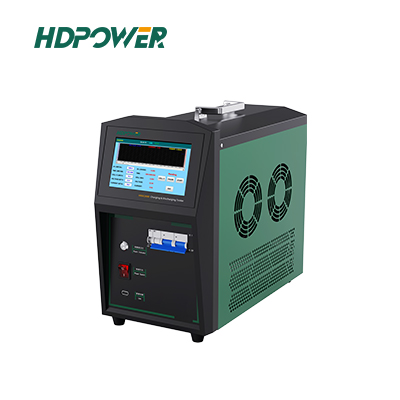
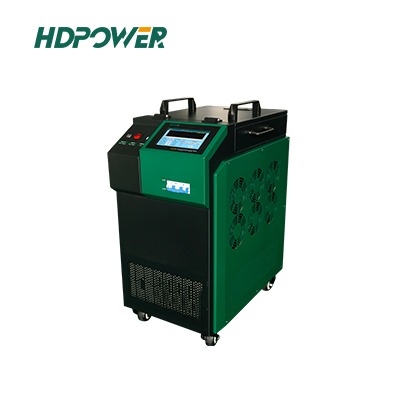
A High-Precision Battery Charger and Load Tester is an integrated testing system capable of controlling current, voltage, and time with exceptional accuracy. It uses constant current (CC) and constant voltage (CV) modes to simulate real operating conditions while automatically switching between charging and discharging states.

Key Components:
1.Programmable Power Module – regulates charge/discharge current precisely.
2.Voltage & Current Sensors – provide measurement accuracy up to ±1 mV and ±10 mA.
3.Control Unit – handles data acquisition, safety logic, and test automation.
4.User Interface / Touchscreen – displays voltage, current, power, temperature, and capacity in real time.
5.Cooling & Protection System – ensures thermal and electrical safety during high-current cycles.
This configuration allows repeatable, stable, and safe operation across multiple battery chemistries.
Core Technical Features
| Feature | Description |
|---|---|
| Voltage Range | Supports multiple configurations, typically 0 – 500 V, suitable for single cells and battery packs. |
| Current Range | Adjustable from 0.1 A – 300 A for both charge and discharge operations. |
| Accuracy | Voltage ±1 mV, current ±10 mA ensures precise performance evaluation. |
| Control Modes | Constant current (CC), constant voltage (CV), constant power (CP), and pulse test. |
| Cycle Function | Automatic switching between charge and discharge for multiple test cycles. |
| Data Recording | Logs real-time data with graphical trend analysis and export capability. |
| Safety Protection | Overvoltage, overcurrent, reverse polarity, short-circuit, and over-temperature protection. |
| Interface | 7-inch touchscreen or PC-based software for intuitive operation and test management. |
These specifications allow engineers to simulate realistic load conditions, analyze behavior across cycles, and ensure that each battery meets industrial standards.
Applications of Battery Charge Discharge Testers
1. Energy Storage Systems (BESS)
Battery Charge Discharge Testers are widely used in grid-level storage projects to verify pack capacity and efficiency before commissioning. They ensure that each module delivers consistent power and that cells within a rack remain balanced across cycles.
2. UPS and Backup Power
In critical facilities like data centers, hospitals, and telecommunication hubs, discharge testing validates whether the backup batteries can sustain full load during an outage. Charge analysis ensures batteries can recharge rapidly without overheating or degradation.
3. Electric Vehicles (EV) and Mobility
EV manufacturers and R&D labs use testers to simulate real driving cycles — fast charging, regenerative braking, and dynamic discharge — to verify battery performance and reliability under diverse conditions.
4. Manufacturing & Quality Inspection
In battery production lines, testers are deployed for end-of-line (EOL) inspection. They verify rated capacity, energy efficiency, and detect defective cells before pack assembly.
Benefits of Using a High-Precision Charge Discharge Tester
1.Accurate Capacity Verification – ensures batteries deliver their rated output.
2.Improved Lifecycle Management – detects early-stage degradation before failure occurs.
3.Enhanced Product Quality – supports data-driven QC and ISO certification.
4.Operational Safety – integrated protections prevent overcharging or overheating.
5.Data Traceability – real-time data logging ensures test transparency and long-term record keeping.
These benefits collectively increase system reliability and reduce operational costs — a crucial advantage in industrial, renewable, and backup power sectors.
How to Perform a Standard Charge–Discharge Test
1.Inspect the Battery: Confirm voltage range and polarity, check for surface damage or swelling.
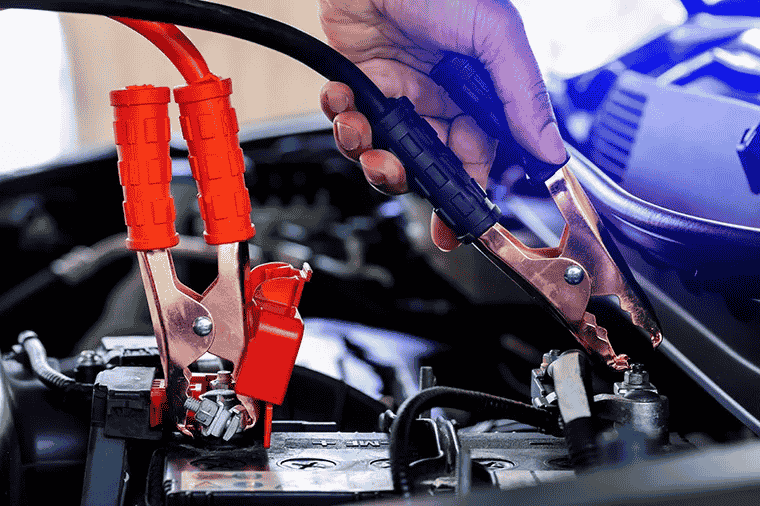
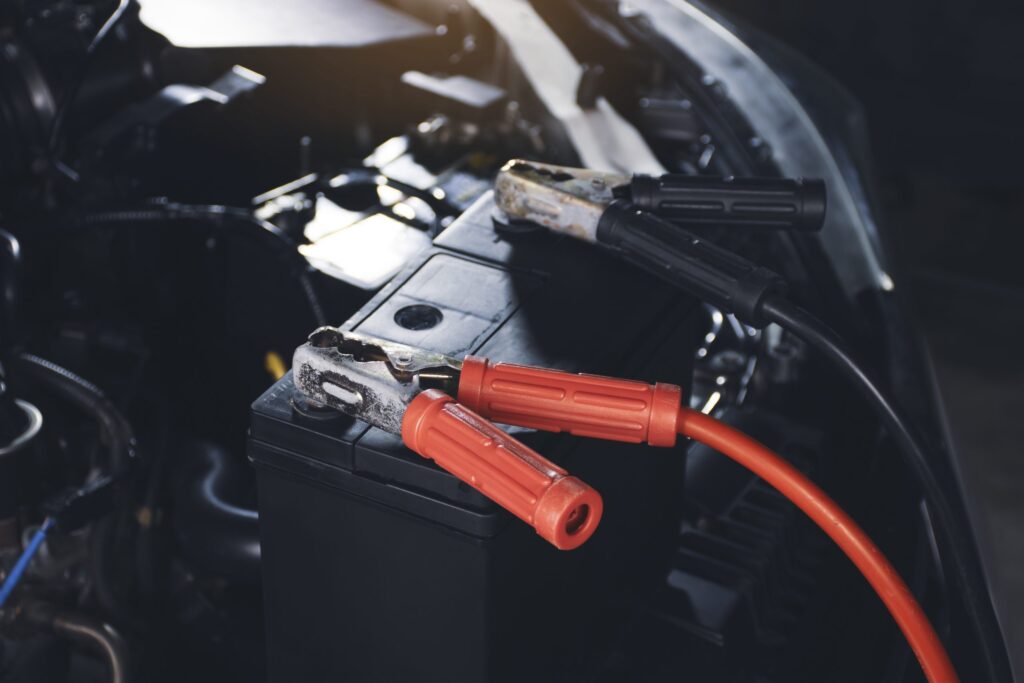
2.Connect the Tester: Attach the test leads firmly to avoid contact resistance.
3.Set Parameters: Configure voltage, current, cutoff, and cycle count.
4.Start the Test: Allow automatic charging and discharging under programmed conditions.
5.Monitor and Record: Observe live data — voltage curves, temperature, and capacity.
6.Analyze Results: Compare measured capacity against rated specifications and identify performance drift.
Following standardized testing protocols ensures repeatability and accuracy across all battery types.
Best Practices for Accurate Results
- Maintain consistent ambient temperature during testing (typically 25 ± 2 °C).
- Use calibrated instruments and verify zero offset before each session.
- Avoid parallel testing of dissimilar batteries to prevent cross-interference.
- Schedule regular calibration of sensors and modules to maintain ±1 mV precision.
- Perform periodic maintenance on clamps, fans, and terminals to prevent data noise.
By implementing these best practices, engineers can guarantee precise, reproducible test results that align with global energy standards.
Integration with Other Battery Maintenance Tools
A comprehensive testing ecosystem often includes:
● Battery Discharge Tester – for high-current capacity verification.
● Battery Activator – for rejuvenating aged or sulfated cells.
● Battery Equalization Tester – to correct cell imbalance in multi-series packs.
Together, these tools create a complete framework for battery performance evaluation and life extension.
Conclusion
A High-Precision Battery Charge Discharge Tester is indispensable for battery engineers, quality control teams, and maintenance professionals. By offering accurate control, real-time data logging, and automated protection, it ensures every battery performs safely, efficiently, and consistently.
In an era defined by renewable energy and electrification, precision testing is the foundation of reliability. Whether for EV batteries, UPS systems, or large-scale energy storage, investing in advanced charge-discharge testing technology translates into better performance, longer lifespan, and greater trust in every watt-hour delivered.