Introduction
A battery charger is an essential device for maintaining battery performance, reliability, and service life. Whether used in telecommunications, power utilities, data centers, rail transit, renewable energy systems, or industrial backup power applications, proper charging directly affects battery health and operational safety.
However, not all battery chargers are the same.
Many organizations still use outdated charging methods that can lead to overcharging, undercharging, battery sulfation, reduced capacity, and premature battery failure. Choosing the right battery charger is critical for maximizing battery lifespan and reducing maintenance costs.
In this article, we explain how battery chargers work, the challenges of charging lead-acid batteries, and how to select the best industrial battery charger for long-term reliability.
What Is a Battery Charger?
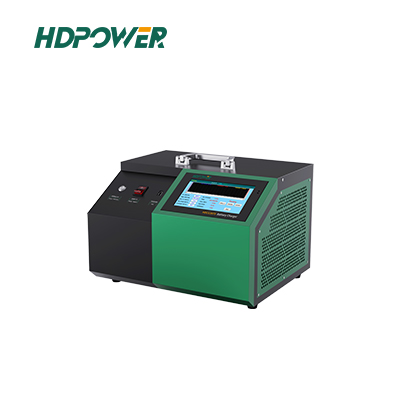
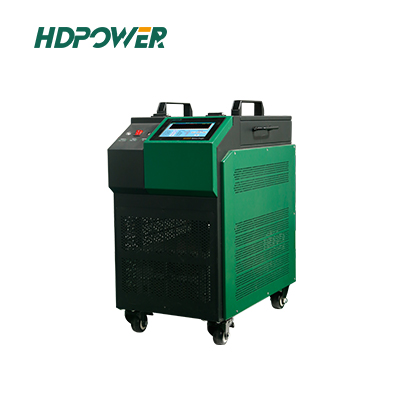
A battery charger is a device that supplies electrical energy to a rechargeable battery and restores its stored capacity.

The charger converts AC power into controlled DC power and regulates charging voltage and current according to battery requirements.
Battery chargers are used in:
- Lead-acid batteries
- AGM batteries
- Gel batteries
- Stationary batteries
- UPS battery banks
- Telecommunications battery systems
- Energy storage systems
The primary objective of a charger is to maintain batteries at optimal charge levels while protecting them from damage.
Why Proper Battery Charging Is Important?
Charging is not simply about supplying power. Improper charging can cause serious battery problems, including:
Reduced Battery Capacity
Incomplete charging leads to gradual capacity loss and shorter backup time.
Sulfation
Undercharged lead-acid batteries can develop sulfate crystal buildup, reducing battery efficiency and service life.
Overheating
Excessive charging current may increase battery temperature and accelerate aging.
Premature Battery Failure
Poor charging practices are one of the leading causes of early battery replacement.
A properly designed battery charger helps prevent these issues while extending battery service life.
How Does a Lead-Acid Battery Charger Work?
Modern lead-acid battery chargers use intelligent charging algorithms to control the charging process.
The charging cycle generally consists of three stages:
Bulk Charging
The charger supplies maximum current to rapidly restore battery capacity.
Absorption Charging
Voltage is maintained while charging current gradually decreases.
This stage ensures the battery reaches full charge safely.
Float Charging
A lower maintenance voltage is applied to compensate for self-discharge and keep the battery ready for use.
Proper float charging is especially important for stationary batteries used in UPS and telecom applications.
Common Applications of Lead-Acid Battery Chargers
UPS Battery Systems
UPS batteries must remain fully charged and ready for emergency backup power.
Reliable charging ensures uninterrupted operation during utility power failures.
Telecommunications Networks
Telecom base stations rely on battery chargers to maintain backup battery banks 24/7.
Power Utilities and Substations
DC power systems require stable battery charging to support protection and control equipment.
Rail Transits
Railway signaling and communication systems depend on properly maintained battery systems.
Renewable Energy Storages
Solar and wind energy systems use battery chargers to manage stored energy effectively.
Challenges in Charging Lead-Acid Batteries
Although lead-acid batteries are widely used, they present several charging challenges.
Sulfation Formation
When batteries remain undercharged for long periods, sulfate crystals form on the battery plates.
This reduces:
- Capacity
- Charging efficiency
- Runtime
Cell Imbalance
Large battery strings often develop voltage differences between cells.
Imbalanced batteries may:
- Charge unevenly
- Discharge prematurely
- Experience reduced lifespan
Aging Batteries
Older batteries require more precise charging management to maintain performance.
Industrial battery chargers must address these challenges through intelligent charging control.
Features to Look for in an Industrial Battery Charger
Choosing the right charger is essential for long-term battery reliability.
Important features include:
Intelligent Multi-Stage Charging
Optimizes charging efficiency and protects batteries from overcharging.
Adjustable Charging Parameters
Supports different battery capacities and system requirements.
Battery Protection Functions
Protects against:
- Reverse polarity
- Overvoltage
- Overcurrent
- Overtemperature
High Charging Efficiency
Reduces energy consumption and operating costs.
Data Monitoring and Recording
Provides maintenance personnel with charging status and operational data.
Battery Charger vs. Battery Activator
Many users confuse battery chargers with battery activators.
Although both interact with batteries, their functions are different.
Battery Charger
Purpose:
- Restore battery energy
- Maintain full charge
- Support normal operation

Purpose:
- Recover degraded batteries
- Reduce sulfation effects
- Restore lost capacity
- Extend battery service life
In many maintenance programs, both devices are used together to achieve optimal battery performance.
How to Extend Battery Life Through Proper Charging?
To maximize battery lifespan:
Maintain Correct Float Voltage
Avoid excessive float voltage that accelerates battery aging.
Prevent Deep Discharge
Frequent deep discharge cycles reduce battery life.
Perform Regular Capacity Testing
Identify weak batteries before failures occur.
Use Professional Charging Equipment
Industrial-grade battery chargers provide better control and protection than basic charging devices.
Monitor Battery Health
Regular inspections help detect charging and battery issues early.
Frequently Asked Questions
What is the best charger for lead-acid batteries?
A professional multi-stage charger with intelligent charging control is generally the best choice for maintaining lead-acid batteries.
Can a charger recover a sulfated battery?
A standard charger may not fully recover sulfated batteries. In many cases, a battery activator or specialized recovery equipment is required.
How often should backup batteries be charged?
Stationary batteries are typically maintained under continuous float charging conditions to ensure readiness.
Can overcharging damage batteries?
Yes. Overcharging can cause overheating, water loss, corrosion, and reduced battery life.
Conclusion
A battery charger is one of the most important components of any battery-powered system. Proper charging directly affects battery reliability, capacity, safety, and service life.
For industrial applications such as UPS systems, telecommunications networks, substations, rail transit, and energy storage facilities, selecting a professional lead-acid battery charger is essential for maintaining stable operation and minimizing battery replacement costs.
By using intelligent charging technology, implementing regular maintenance practices, and monitoring battery health, organizations can significantly improve battery performance and maximize the return on their battery investment.