Introduction
Battery failure is one of the most common causes of power interruption in UPS systems, telecom base stations, data centers, substations, and industrial energy storage applications. Although batteries may still show normal voltage during routine inspections, their actual performance can already be significantly degraded due to aging, sulfation, capacity loss, or internal damage.
This is why professional maintenance teams increasingly use a battery internal resistance tester to evaluate battery health accurately and identify potential failures before unexpected downtime occurs.
Unlike traditional voltage measurement methods, an internal resistance test provides deeper insight into the battery’s actual condition by detecting changes inside the battery cells. For engineers responsible for battery maintenance, choosing the right testing equipment is essential for improving reliability, reducing replacement costs, and extending battery service life.
This article explains how a battery internal resistance tester works, why it is important, and what factors should be considered when selecting a professional battery testing solution.
What Is a Battery Internal Resistance Tester?
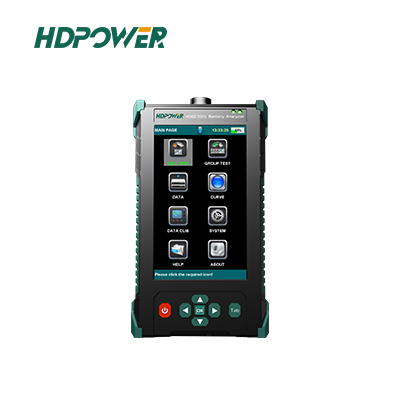
A battery internal resistance tester is a professional instrument designed to measure the internal resistance, voltage, and overall condition of batteries.
Every battery has a certain amount of internal resistance. When a battery ages, internal chemical reactions become less efficient, causing the internal resistance value to increase. A higher resistance level usually indicates:
- Battery aging
- Reduced charging efficiency
- Lower discharge capability
- Increased risk of sudden failure
By measuring internal resistance, maintenance engineers can quickly identify weak batteries in a battery string without performing time-consuming capacity tests.
A professional tester typically measures:
- Battery voltage
- Internal resistance
- Conductance value
- Battery health status
- Data trends over time
This makes it an essential tool for predictive battery maintenance.
Why Is Battery Internal Resistance Testing Important?
-
Detect Battery Problems Before Failure
Many battery failures cannot be identified through voltage testing alone.
For example, two batteries may both show 12.8V in a standby system, but one battery may have significantly higher internal resistance due to aging. During a sudden power outage, the weaker battery may fail to provide sufficient current.
Using a battery internal resistance tester allows maintenance teams to detect these hidden problems early and replace only abnormal batteries instead of replacing the entire battery bank.
-
Improve UPS and Backup Power Reliability
UPS systems depend on battery performance during emergency power situations.
Applications such as:
- Data centers
- Communication networks
- Industrial control systems
- Medical facilities
require batteries with stable discharge performance.
Regular internal resistance testing helps engineers:
- Monitor battery degradation
- Identify weak cells
- Reduce unexpected downtime
- Improve backup power reliability
-
Reduce Battery Maintenance Costs
Traditional battery maintenance often relies on complete discharge testing, which requires:
- Long testing time
- Additional load equipment
- System downtime
A portable battery internal resistance tester provides a faster inspection method. Engineers can test multiple batteries within a short period and create maintenance records for future analysis.
This helps companies move from reactive maintenance to preventive maintenance.
How Does a Battery Internal Resistance Tester Work?
Internal resistance testing is based on measuring the battery response when a test signal is applied.
The tester analyzes the relationship between voltage changes and current response to calculate the resistance value inside the battery.
A lower internal resistance generally indicates:
- Better conductivity
- Higher charging efficiency
- Stronger discharge capability
A higher internal resistance usually means:
- Battery aging
- Capacity reduction
- Increased failure probability
For large battery systems, comparing resistance values between individual batteries is especially important. A battery with significantly different resistance compared with others in the same string may require further inspection.
How to Choose the Right Battery Internal Resistance Tester?
When selecting a battery internal resistance tester, consider the following factors.
-
Testing Accuracy
Measurement accuracy is one of the most important factors.
A professional tester should provide stable measurements even when testing batteries in complex environments, including:
- UPS rooms
- Substations
- Communication sites
- Industrial facilities
High measurement accuracy helps engineers identify small differences between batteries before they become serious problems.
-
Data Storage and Analysis Function
For large battery systems, manual recording is inefficient.
A modern battery testing solution should support:
- Data storage
- Historical comparison
- Test reports
- Computer communication
These functions help maintenance teams track battery aging trends and make better replacement decisions.
-
Portable Design and Easy Operation
Battery inspections are often performed in different locations.
A professional testing device should provide:
- Lightweight design
- Clear display
- Simple operation
- Fast measurement
This improves efficiency for field engineers.
Battery Analyzer: More Than Just Internal Resistance Measurement
A professional battery maintenance solution should not only measure resistance but also provide comprehensive battery condition analysis.
A high-quality Battery Analyzer integrates multiple testing functions to help engineers evaluate battery performance more effectively.
Depending on the application, advanced battery analyzers can provide:
- Internal resistance measurement
- Voltage testing
- Battery health evaluation
- Data recording
- Maintenance reports
For industries such as power systems, telecom, UPS, and energy storage, a multifunctional battery analyzer can significantly improve maintenance efficiency.
Battery Charge Tester and Battery Maintenance Applications
Besides internal resistance testing, charging performance is another important factor affecting battery life.
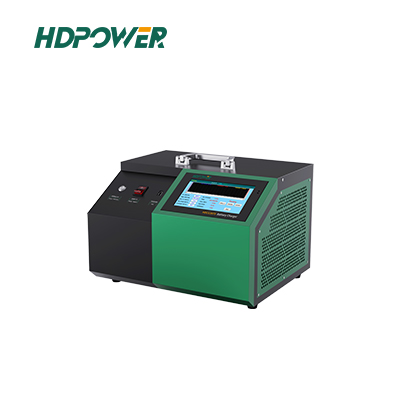
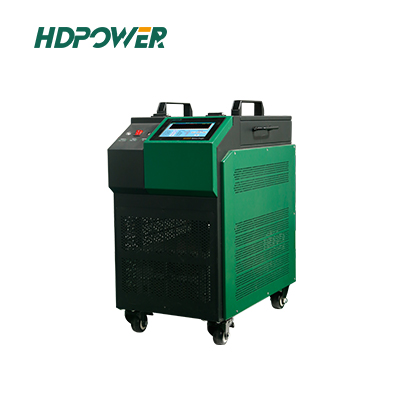
A professional Battery Charge Tester helps engineers evaluate charging conditions and verify whether batteries can properly accept and store energy.
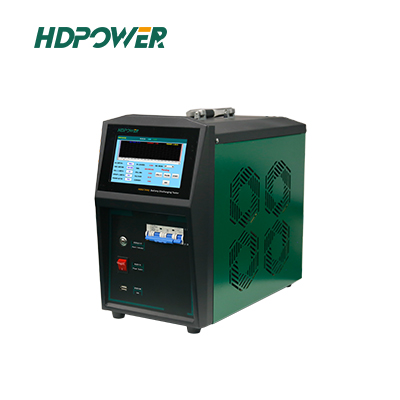
Combining internal resistance testing with charging and discharge testing provides a complete battery maintenance strategy:
- Check battery internal resistance
- Analyze battery health condition
- Perform charging verification
- Confirm discharge capability
- Create maintenance records
This approach helps prevent unexpected battery failures and improves system reliability.
Common Applications of Battery Internal Resistance Testers
UPS Battery Testing
UPS systems require reliable batteries for emergency backup power.
Internal resistance testing helps identify weak batteries before they affect system operation.
Telecom Battery Maintenance
Telecommunication stations often operate in remote locations where battery reliability is critical.
Regular battery testing reduces maintenance risks and improves network stability.
Substation Battery Inspection
DC power systems in substations rely on battery banks for protection and control.
Battery internal resistance testing helps ensure emergency power availability.
Renewable Energy Storage Systems
Energy storage systems require accurate battery monitoring to maintain efficiency and safety.
Internal resistance analysis helps operators understand battery aging conditions.
Why Choose HDPOWER Battery Testing Solutions?
HDPOWER specializes in professional battery testing equipment for industrial applications.
Our battery testing solutions are designed for:
- Power utilities
- Telecom operators
- UPS manufacturers
- Energy storage companies
- Battery maintenance providers
- New energy industries
HDPOWER battery testers provide:
- High measurement accuracy
- Reliable field performance
- User-friendly operation
- Comprehensive battery analysis functions
- Professional technical support
With years of experience in electrical testing technology, HDPOWER helps customers improve battery reliability and reduce maintenance costs.
FAQ About Battery Internal Resistance Tester
What does a battery internal resistance tester measure?
A battery internal resistance tester measures internal resistance, voltage, and other battery parameters to evaluate battery health and aging conditions.
How often should battery internal resistance testing be performed?
Testing frequency depends on the application. Critical systems such as UPS, telecom, and substations usually require regular inspections according to maintenance schedules.
Can internal resistance testing replace capacity testing?
Internal resistance testing is faster and suitable for routine screening, but capacity testing may still be required for detailed battery performance verification.
Does the battery analyzer support battery pack testing?
Sure, it supports multiple measurement modes include single battery, pack battery, battery&connection resistance (optional) internal resistance measurement and performance evaluation.
Conclusion
A battery internal resistance tester is an essential tool for modern battery maintenance. By measuring internal resistance and analyzing battery condition, engineers can detect potential failures, improve system reliability, and reduce unnecessary replacement costs.
When choosing a testing solution, companies should focus on accuracy, application compatibility, data management, and ease of operation.
For professional battery maintenance applications, combining a Battery Analyzer, internal resistance testing, and charging performance evaluation provides a complete solution for ensuring long-term battery reliability.