Introduction
In mission-critical power environments, battery reliability is not a theoretical parameter—it is an operational necessity. Industrial facilities, substations, telecom infrastructure, data centers, and renewable energy storage systems depend on battery banks to deliver immediate and sustained backup power when grid supply fails.
However, a battery’s true health cannot be determined by float voltage alone. Open-circuit voltage may appear normal while internal resistance has already increased and usable capacity has declined significantly. This is why structured discharge testing is considered the most reliable method for evaluating battery condition.
A battery testing load bank is specifically designed to perform controlled discharge tests under real operating conditions. By applying measurable electrical load and recording voltage response over time, it provides objective performance data that static monitoring systems cannot deliver.
Why Static Monitoring Is Not Enough
Most industrial battery systems are continuously maintained under float charge. Monitoring systems typically measure:
● Terminal voltage
● Ambient and cell temperature
● Charge current
● Alarm thresholds
While these parameters are important for operational supervision, they do not confirm whether the battery can sustain rated current during an outage.
A battery can show nominal float voltage but fail rapidly when placed under load. The underlying causes may include:
● Increased internal resistance
● Sulfation (in lead-acid batteries)
● Lithium cell imbalance
● Aging-related electrode degradation
● Electrolyte stratification
Only a discharge test under controlled load can reveal these performance limitations.
What Is a Battery Testing Load Bank
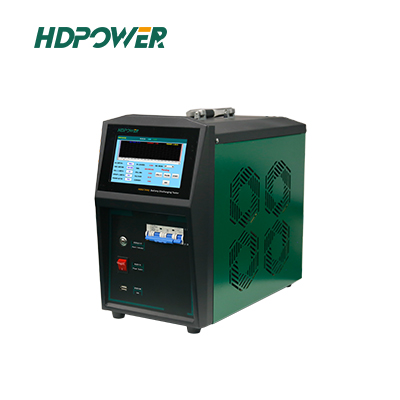
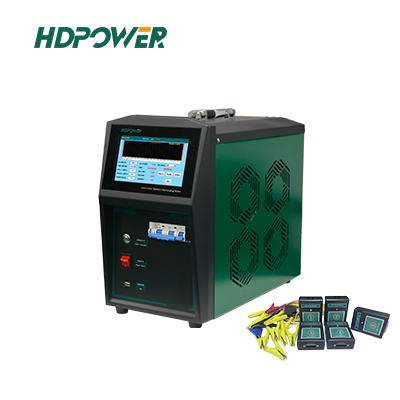
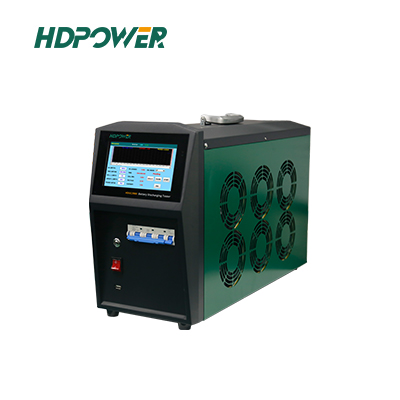
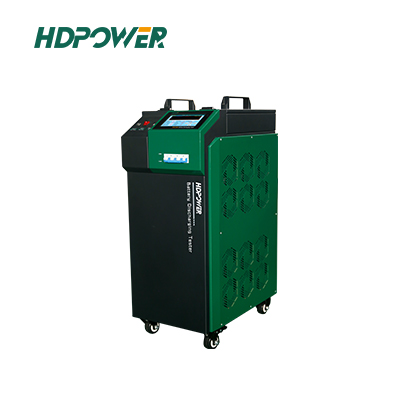
A battery testing load bank is an engineered discharge system that simulates real electrical demand by applying a regulated resistive or electronic load to a battery bank.
Its core functions include:
● Adjustable discharge current control
● Continuous voltage monitoring
● Time-based capacity calculation
● Programmable cutoff thresholds
● Data recording and reporting
By replicating operational discharge conditions, it evaluates the battery’s ability to deliver sustained energy output.
Unlike improvised load testing methods, professional load banks ensure current stability, thermal safety, and accurate data acquisition throughout the test cycle.
Core Operating Principles
1. Controlled Current Discharge
The load bank applies a stable, pre-set discharge current based on battery specifications (e.g., C10, C20, or C-rate testing standards). Maintaining constant current is essential for accurate capacity calculation.
2. Real-Time Voltage Tracking
During discharge, the system continuously records voltage drop across the battery string. Sudden voltage collapse or abnormal discharge curves indicate internal weaknesses.
3. Capacity Calculation
Battery capacity (Ah) is calculated by multiplying discharge current by discharge duration until reaching the preset end-of-discharge voltage.
4. Termination Threshold Protection
Testing automatically stops when voltage reaches a defined cutoff level to prevent excessive deep discharge.
This structured methodology provides reproducible and comparable results across maintenance cycles.
Integration with Professional Testing Equipment
In advanced maintenance environments, a battery testing load bank is often integrated with a
battery load tester to provide enhanced automation, digital data logging, and detailed analytical reporting.
While the load bank supplies the controlled discharge function, a battery load tester expands diagnostic capability through:
● Automated capacity calculation
● Individual cell voltage monitoring
● Curve visualization
● Data export and lifecycle tracking
Together, they form a comprehensive battery performance evaluation system suitable for high-capacity industrial installations.

Technical Considerations in Load Bank Testing
Current Selection
Discharge current must align with manufacturer-rated testing standards. Excessive current can distort results, while insufficient load may mask weaknesses.
Temperature Management
Battery temperature directly affects discharge behavior. Load banks should include thermal monitoring to prevent overheating during extended tests.
End Voltage Determination
Correct cutoff voltage ensures standardized results and prevents unnecessary stress on the battery.
Data Interpretation
Voltage curves provide valuable diagnostic insight:
● Gradual, stable decline indicates healthy cells
● Early voltage drop suggests high internal resistance
● Sudden collapse may indicate cell failure or imbalance
Trend comparison across periodic tests enables predictive maintenance planning.
Applications of Battery Testing Load Banks
UPS and Data Centers
Backup runtime verification is essential to ensure uninterrupted IT operations. Scheduled discharge testing validates battery readiness.
Power Substations
Protection relays and control systems depend on reliable DC power. Load testing confirms system resilience.
Telecommunications Infrastructure
Remote base stations require dependable backup energy. Capacity testing prevents unexpected communication outages.
Renewable Energy Storage
Energy storage systems rely on battery banks for peak shaving and grid stabilization. Performance verification ensures stable output.
Industrial Manufacturing
Emergency systems and process control units require guaranteed backup supply. Periodic load testing minimizes operational risk.
Advantages of Implementing Structured Load Testing
Accurate Health Assessment
Provides quantifiable capacity data rather than indirect voltage indicators.
Early Fault Detection
Identifies weak batteries before catastrophic failure.
Lifecycle Optimization
Enables data-driven replacement scheduling and cost control.
Compliance Assurance
Meets industry standards that require documented discharge testing.
Enhanced Operational Confidence
Confirms that backup systems will perform when needed.
Battery Testing Load Bank vs. Internal Resistance Testing
Internal resistance measurement is useful for trend monitoring, but it does not fully represent discharge performance. Resistance may increase gradually without immediately affecting voltage under light load.
A battery testing load bank evaluates dynamic performance under sustained electrical demand, offering a more comprehensive assessment of operational readiness.
For critical infrastructure, combining both methods yields the most reliable maintenance strategy.
Economic Impact of Proactive Testing
Premature battery replacement results in unnecessary capital expenditure. Conversely, delayed replacement due to insufficient testing may cause system failure.
Structured discharge testing balances these risks by:
● Extending usable service life when appropriate
● Preventing unexpected downtime
● Reducing emergency replacement costs
● Improving long-term asset management
From a lifecycle cost perspective, implementing regular load bank testing significantly enhances return on investment for large battery installations.
Conclusion
A battery testing load bank is an indispensable tool for validating real-world performance in industrial battery systems. By applying controlled discharge and generating objective capacity data, it enables engineers to make informed maintenance decisions and ensure operational reliability.
In high-demand environments where uninterrupted power is essential, incorporating systematic load testing into preventive maintenance programs is not merely recommended—it is fundamental to long-term power system integrity.