Introduction
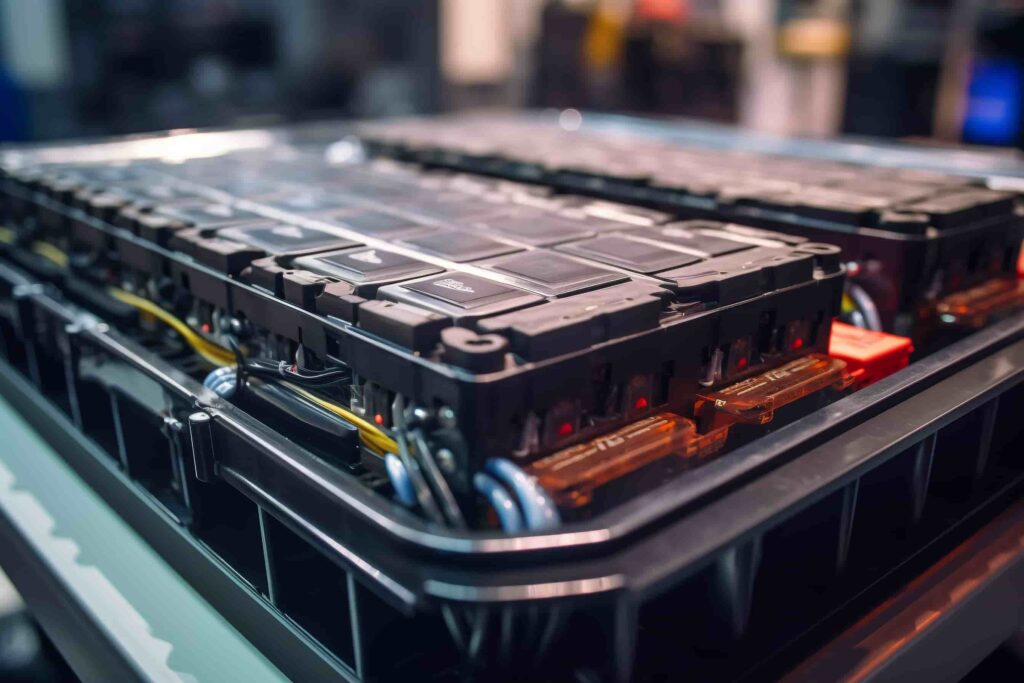
Electric vehicles rely on high-energy lithium battery packs that operate at increasingly high voltage levels and store a large amount of electrical energy. As EV technology continues to evolve, battery systems have become more powerful, complex, and safety-critical. While charging infrastructure often receives the most attention, controlled battery discharge is equally important for testing, maintenance, and operational safety.
In real-world EV battery management, simply monitoring voltage or state-of-charge estimates is not sufficient to evaluate the true condition of a battery pack. Accurate performance verification requires controlled discharge testing under defined electrical loads. In addition, when EV battery packs need to be serviced, transported, or recycled, the stored energy must often be released safely before further handling.
This is where an EV battery pack discharger becomes essential. By applying programmable discharge loads and monitoring electrical behavior in real time, this type of equipment enables accurate capacity testing and safe energy release for high-voltage battery systems.
What Is an EV Battery Pack Discharger
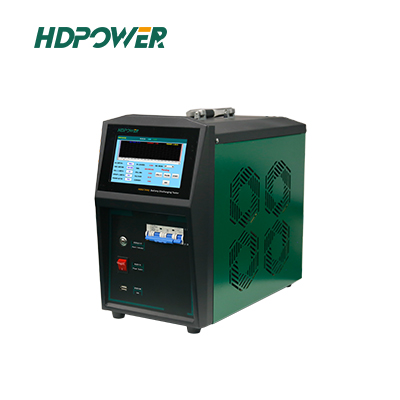
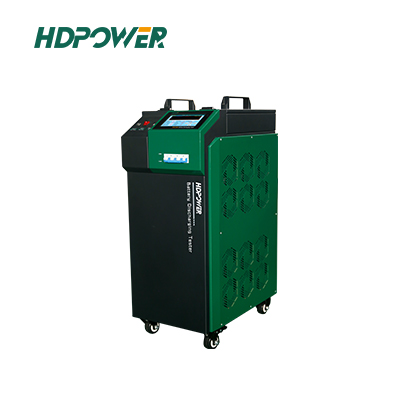
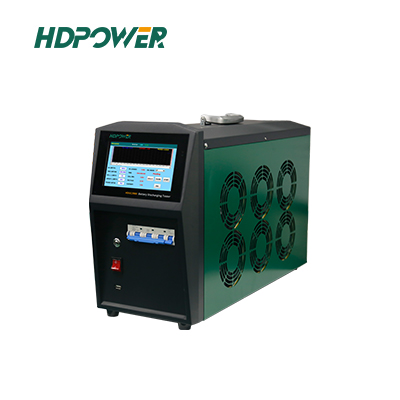
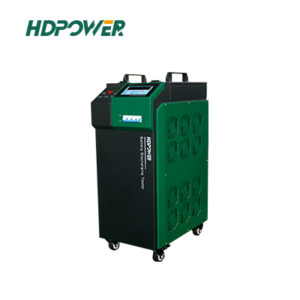
An EV battery pack discharger is a specialized testing and maintenance device designed to draw controlled current from high-voltage lithium battery packs. Unlike simple resistive loads, modern discharge systems combine electronic load control, data monitoring, and protection mechanisms to ensure accurate and safe operation.
Typical capabilities of an EV battery pack discharger include:
● Programmable constant current discharge
● Adjustable cutoff voltage control
● Real-time monitoring of voltage and current
● Data recording for performance analysis
● Safety protection for high-energy systems
These functions allow engineers and technicians to simulate real operating conditions while maintaining strict control over discharge parameters.
In many industrial applications, the discharge system also integrates features similar to a professional
lithium battery discharger, enabling stable load regulation and safe energy dissipation when working with large EV battery assemblies.
Why EV Battery Packs Require Controlled Discharge
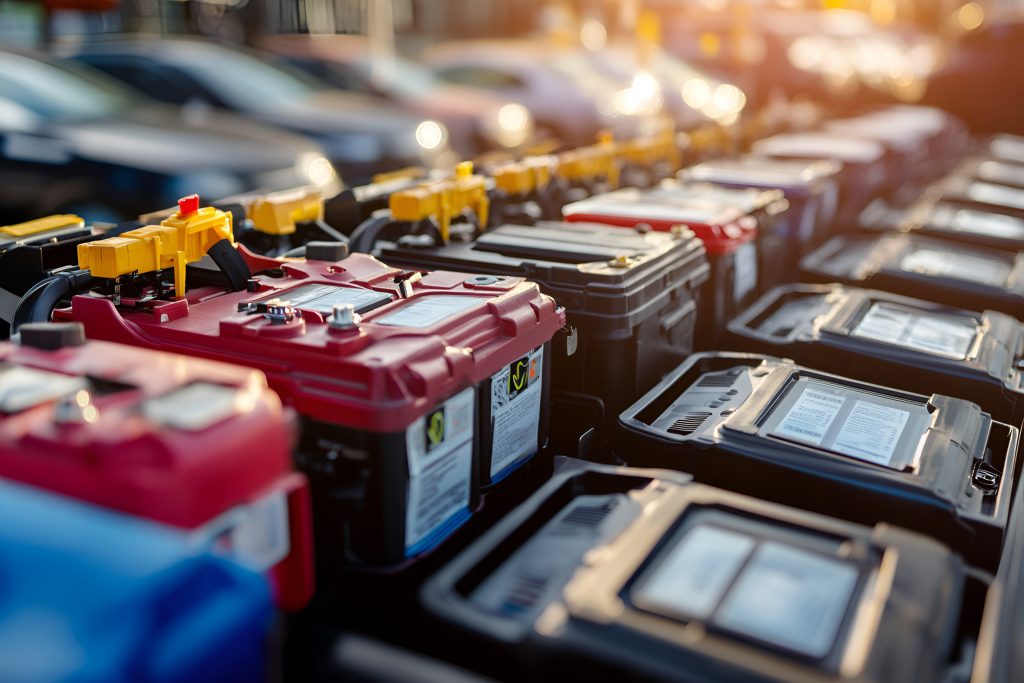
Electric vehicle battery packs contain significant stored energy. A single pack may consist of hundreds of lithium cells connected in series and parallel to achieve high voltage and capacity.
Because of this high energy density, uncontrolled discharge can pose several risks:
● Thermal instability
● Excessive current spikes
● Damage to battery modules
● Safety hazards during maintenance
Controlled discharge solves these issues by regulating the rate at which energy is released.
In addition to safety considerations, controlled discharge also enables accurate performance evaluation. EV battery packs gradually degrade over time due to factors such as internal resistance growth, cycle aging, and thermal stress. Discharge testing provides a reliable method to evaluate real capacity rather than relying solely on estimation algorithms from battery management systems.
Capacity Testing with an EV Battery Pack Discharger
Capacity testing is one of the most important applications of an EV battery pack discharger. By applying a stable current load, the device measures how long a battery pack can sustain discharge before reaching its cutoff voltage.
The basic principle is straightforward:
Capacity = Current × Time
This method allows engineers to determine the true usable capacity of a battery pack under controlled conditions.
For EV manufacturers and testing laboratories, capacity verification plays a critical role in:
● product validation during manufacturing
● performance benchmarking
● battery aging analysis
● warranty evaluation
By analyzing discharge curves and voltage behavior during testing, engineers can also detect early signs of degradation such as abnormal voltage drop or internal resistance increase.
Safe Energy Release Before Transportation or Maintenance
Another key function of an EV battery pack discharger is controlled energy release.
EV battery packs are often required to be partially discharged before:
● maintenance operations
● module replacement
● battery storage
● transportation logistics
● recycling processes
High-voltage battery systems cannot always be safely handled when fully charged. Controlled discharge allows the energy level of the battery pack to be reduced to a safer range.
By gradually dissipating stored energy through electronic load regulation, an EV battery pack discharger minimizes electrical stress and ensures stable voltage reduction throughout the process.
This capability is particularly important in battery service centers and recycling facilities where technicians must interact directly with large battery assemblies.
Key Technologies Behind EV Battery Pack Dischargers
Modern EV battery pack dischargers incorporate several advanced control technologies to ensure both accuracy and safety.
Constant Current Discharge
Constant current discharge allows the device to maintain a stable load regardless of voltage fluctuations during the test. This stability ensures accurate capacity measurement and prevents sudden current spikes.
Intelligent Voltage Cutoff
A programmable cutoff voltage prevents over-discharge conditions that could damage the battery or compromise testing accuracy.
Real-Time Monitoring
During discharge testing, the system continuously monitors key electrical parameters such as voltage and current. This monitoring enables immediate detection of abnormal behavior and provides valuable diagnostic data.
Multi-Layer Safety Protection
Because EV battery packs store large amounts of energy, modern dischargers incorporate multiple protection mechanisms, including:
● overcurrent protection
● overvoltage protection
● temperature monitoring
● automatic shutdown safeguards
These safety layers ensure stable operation when working with high-energy battery systems.
Typical Applications in the EV Industry
EV battery pack dischargers are used across multiple stages of the electric vehicle ecosystem.
EV Battery Manufacturing
Manufacturers use discharge testing to verify battery capacity and ensure consistent product performance before delivery.
EV Service and Maintenance
Maintenance centers rely on controlled discharge to evaluate battery condition and safely prepare battery packs for repair.
Battery Refurbishment
When battery packs are refurbished or reused, discharge testing helps confirm remaining capacity and identify weak modules.
Battery Recycling
Before dismantling or recycling lithium battery packs, controlled energy release is necessary to reduce safety risks.
Because these applications span the entire lifecycle of EV batteries, discharge equipment has become an essential tool in modern electric mobility infrastructure.
EV Battery Pack Discharger vs Conventional Load Devices
Traditional load banks can apply electrical load to a battery, but they typically lack the advanced monitoring and safety controls required for high-voltage EV battery systems.
An EV battery pack discharger offers several advantages:
● programmable discharge profiles
● integrated data monitoring
● automated cutoff control
● multi-stage testing capability
● enhanced safety protection
These features enable accurate testing while reducing the risks associated with handling large lithium battery packs.
Role in EV Battery Lifecycle Management
Battery lifecycle management has become increasingly important as electric vehicle adoption grows worldwide. Monitoring battery health throughout its lifecycle helps ensure reliability while optimizing operational costs.
EV battery pack dischargers contribute to lifecycle management by providing:
● accurate capacity measurement
● early detection of degradation
● performance validation after repair
● safe preparation for recycling
With data generated from controlled discharge testing, operators can make informed decisions about battery maintenance, replacement, or reuse.
Conclusion
An EV battery pack discharger plays a critical role in modern electric vehicle battery management. By enabling controlled discharge testing and safe energy release, it provides essential insight into battery performance while ensuring safe handling of high-voltage systems.
From manufacturing and maintenance to refurbishment and recycling, discharge testing equipment supports the entire lifecycle of EV batteries. As electric mobility continues to expand, reliable discharge technology will remain an important component of safe and effective battery management.