Introduction
Battery systems are critical components in industrial power infrastructure, UPS installations, telecommunications networks, renewable energy storage, and mobility platforms. While charging ensures energy input, discharge capability ultimately determines whether a battery can reliably deliver power under real operating conditions.
A battery may display acceptable standby voltage yet fail when subjected to sustained load. This discrepancy highlights the importance of structured discharge testing. A battery discharge device provides controlled and measurable load simulation, allowing engineers to verify true capacity, assess performance stability, and implement data-driven lifecycle management.
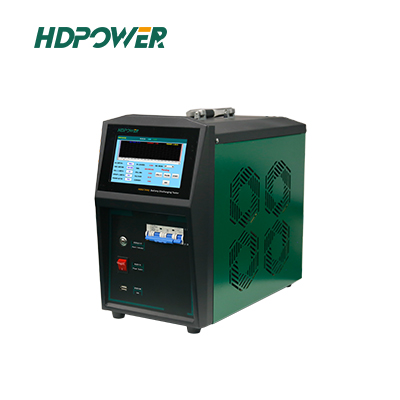
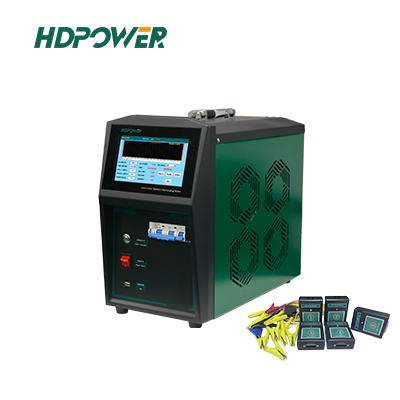
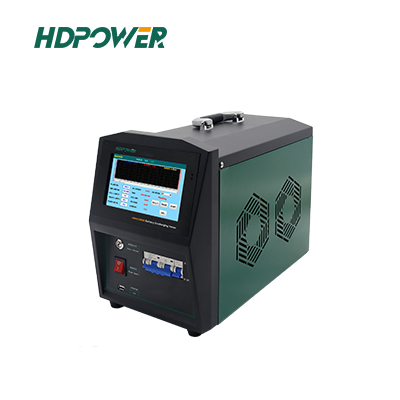
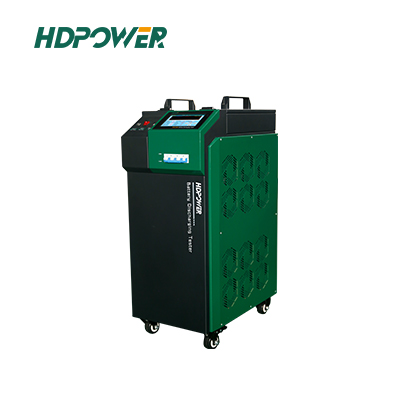
What Is a Battery Discharge Device
A battery discharge device is a programmable electronic load system designed to draw controlled current or power from a battery under defined conditions. Unlike simple resistive loads, modern discharge systems integrate digital regulation, monitoring functions, and protective architecture to ensure accuracy and safety.
Core capabilities typically include:
● Constant current discharge
● Constant power discharge
● Adjustable cutoff voltage control
● Real-time voltage and current monitoring
● Data recording and export
● Multi-stage discharge sequencing
These features enable standardized evaluation across different battery chemistries and voltage platforms.

Why Discharge Testing Is Essential
Open-circuit voltage alone does not accurately reflect battery health. Degradation mechanisms often remain hidden until the battery is subjected to load.
A battery discharge device enables engineers to observe:
● True discharge capacity
● Voltage stability during load
● Internal resistance behavior
● Runtime consistency
● Performance uniformity across strings
By applying stable and programmable load profiles, the device provides objective assessment of operational readiness.
Role in Capacity Verification
Capacity testing remains a primary function of a battery discharge device. Under controlled discharge conditions, the system measures duration and voltage response until a defined cutoff threshold is reached. From this data, usable capacity is calculated with high repeatability.
This process confirms whether the battery meets runtime requirements for backup or continuous power applications, particularly in mission-critical systems.
Preventive Maintenance Applications
Battery systems often operate in standby mode for extended periods. Without periodic discharge evaluation, performance degradation may go undetected.
A battery discharge device supports preventive maintenance through:
Performance Validation
Scheduled discharge tests confirm that batteries retain adequate runtime capability.
Weak Unit Identification
In multi-string configurations, discharge analysis highlights inconsistencies and isolates underperforming units.
Trend Monitoring
Comparing discharge results across multiple testing intervals allows predictive lifecycle planning.
This structured approach reduces unexpected failure and improves reliability.
Application Across Battery Chemistries
Battery discharge devices are applicable to both lead-acid and lithium systems.
Lead-Acid Batteries
Discharge testing reveals sulfation-related degradation, voltage instability, and reduced plate utilization. It also supports evaluation of activation or recovery procedures.
Lithium Batteries
Controlled discharge helps identify capacity fade, impedance rise, and imbalance within battery assemblies. It verifies usable energy rather than relying solely on estimated state-of-charge values.
Programmable discharge control ensures compatibility with varying electrochemical characteristics.
Battery Discharge Device vs Load Testing Tools
Basic load tools can apply discharge current, but they typically lack precision control and lifecycle analytics.
A professional discharge system differs from a conventional
battery load tester by offering programmable profiles, automated cutoff thresholds, real-time data acquisition, and multi-cycle capability within an integrated safety architecture.
For industrial environments requiring repeatable documentation and long-term trend tracking, a dedicated battery discharge device provides broader functionality.
Integration into Lifecycle Management
Modern asset management increasingly relies on performance data rather than calendar-based replacement strategies.
By incorporating battery discharge devices into structured maintenance programs, operators can:
● Establish baseline capacity
● Track degradation trends
● Optimize replacement timing
● Reduce premature capital expenditure
● Improve operational reliability
Data-driven lifecycle management enhances both safety and cost efficiency.
Safety and Operational Control
Controlled discharge involves managed energy release. Professional discharge devices incorporate protective mechanisms such as:
● Overcurrent safeguards
● Voltage cutoff control
● Thermal monitoring
● Reverse polarity protection
● Automatic shutdown protocols
These systems ensure safe and repeatable testing under industrial conditions.
Conclusion
A battery discharge device is an essential tool for capacity testing, preventive maintenance, and lifecycle management across industrial battery systems. By applying controlled load conditions and capturing precise performance data, it enables accurate assessment of real battery health.
In high-reliability environments, structured discharge testing supports predictive maintenance, improves operational readiness, and extends service life.