Introduction
Lead-acid batteries remain an important source of backup power in substations, telecommunications facilities, UPS systems, data centers, and industrial power installations. Although newer battery technologies are becoming increasingly common, lead-acid battery banks continue to be widely used because of their established performance, relatively mature maintenance practices, and suitability for stationary backup applications.
However, a battery bank that shows a normal terminal voltage does not necessarily have sufficient capacity or reliable charging performance. Individual cells may experience capacity deterioration, sulfation, increased internal resistance, or differences in charging behavior. These problems can reduce the reliability of the entire DC backup power system.
For this reason, Lead Acid Battery Charge Discharge Cycle Verification is an important part of preventive battery maintenance. By evaluating charging and discharging behavior under controlled conditions, maintenance personnel can obtain a clearer understanding of battery performance, identify potential problems, and determine whether a battery bank requires further inspection or maintenance.
For maintenance teams looking for reliable solutions, professional Lead Acid Battery Testing Equipment provides the necessary tools for evaluating battery condition, verifying charging and discharging performance, and supporting routine industrial battery maintenance.
This article explains the principles, procedures, key parameters, and equipment considerations involved in lead-acid battery charge-discharge cycle verification, with a focus on industrial backup power applications.
-
What Is Lead Acid Battery Charge Discharge Cycle Verification?
Lead-acid battery charge-discharge cycle verification refers to a controlled testing process that evaluates how a battery or battery bank performs during charging and discharging operations.
Unlike a simple voltage measurement, which provides only a limited indication of battery condition, cycle verification examines battery behavior across different operating stages.
The process generally includes three main activities:
Charging verification: Evaluating whether the battery accepts charging current and reaches the required charging voltage under specified conditions.
Discharging verification: Observing how the battery supplies electrical energy under a defined current or power load.
Recovery and performance assessment: Checking the battery’s voltage response, charging behavior, and consistency after the discharge process.
These activities help maintenance engineers identify performance differences that may not be apparent during routine inspections.
For industrial stationary battery systems, the verification process should follow the battery manufacturer’s technical specifications, applicable maintenance standards, and site operating procedures. Charging voltage, discharge current, temperature limits, and test duration must be selected according to the actual battery configuration.
It is important to distinguish cycle verification from a complete capacity test. A controlled discharge capacity test measures the energy delivered over a defined discharge period, while cycle verification can evaluate multiple charging and discharging stages as part of a broader maintenance assessment.
-
Why Industrial Lead-Acid Battery Banks Require Cycle Verification
Industrial backup batteries are expected to remain available even when the primary power supply fails. Their reliability directly affects the continuity of critical electrical systems.
However, stationary batteries operate under different environmental and electrical conditions. Long-term float charging, infrequent discharge, elevated ambient temperatures, and inconsistent maintenance can gradually affect battery performance.
Several common issues make periodic verification necessary.
2.1 Capacity Deterioration
As lead-acid batteries age, their ability to deliver rated capacity may decrease. A battery can maintain an apparently normal standby voltage while its actual discharge performance has deteriorated.
Controlled discharge testing helps determine whether the battery can supply the required load for the specified operating period.
2.2 Sulfation and Charging Problems
Sulfation occurs when lead sulfate crystals accumulate on battery plates, particularly under certain operating and maintenance conditions.
Excessive sulfation may reduce charge acceptance and available capacity. Evaluating charging behavior can help identify batteries that require further inspection or appropriate maintenance.
However, cycle verification alone cannot confirm the exact cause of sulfation or guarantee battery restoration.
2.3 Cell Performance Differences
A battery bank consists of multiple connected cells. Individual cells may age at different rates because of manufacturing variations, temperature differences, operating conditions, or maintenance history.
A weak cell can affect the performance of the entire battery string. Recording individual cell voltages, where suitable monitoring equipment is available, helps maintenance personnel identify abnormal cells for further investigation.
2.4 Unreliable Backup Power
For substations, telecommunications facilities, and data centers, battery failure may compromise protection, control, communication, or emergency power functions.
Periodic charging and discharging verification provides useful maintenance information and helps reduce the risk of unexpected battery problems.
-
Key Parameters in Lead-Acid Battery Cycle Testing
Reliable verification requires more than simply starting a charging or discharging process. Engineers should monitor several electrical and environmental parameters throughout the test.
Battery Voltage
Battery voltage is one of the most basic indicators of operating condition. Maintenance personnel should record total bank voltage and, where possible, individual cell voltages during charging and discharging.
Unexpected voltage fluctuations or significant differences between cells may indicate abnormal operating conditions.
Charging Current
Charging current indicates how much current flows into the battery during the charging process. Monitoring current helps verify whether the selected charging mode is operating as intended.
Different charging stages require different current settings. The appropriate limits should be determined according to the battery manufacturer’s recommendations.
Discharge Current and Power
Discharge current and power determine the electrical load applied to the battery.
Constant-current discharge maintains a selected current throughout the test, while constant-power discharge adjusts current as battery voltage changes to maintain the required power level.
Selecting the correct discharge mode is important because the test conditions influence the resulting performance assessment.
Discharge Duration and Capacity
Discharge duration indicates how long the battery can supply the specified load before reaching the defined termination voltage.
Delivered capacity can be calculated from the measured current and discharge time under constant-current conditions. More advanced testing systems can automatically record relevant data and generate test reports.
Temperature
Battery temperature affects charging behavior, discharge performance, and service life. Excessive temperature can indicate abnormal operating conditions and may require the test to be stopped.
Temperature should be monitored in accordance with the battery manufacturer’s operating limits and site safety procedures.
-
How to Perform a Lead Acid Battery Charge-Discharge Cycle Verification
A systematic testing procedure improves measurement consistency and helps prevent operational mistakes.
Step 1: Inspect the Battery System
Before testing, maintenance personnel should review battery specifications, rated capacity, nominal voltage, installation date, previous test records, and maintenance history.
Inspect the battery enclosure, terminals, connectors, cables, and ventilation conditions. Check for leakage, corrosion, swelling, loose connections, or other visible abnormalities.
Any unsafe condition should be addressed before testing begins.
Step 2: Confirm Testing Conditions
Determine the battery configuration, number of cells, rated capacity, charging requirements, discharge parameters, and termination voltage.
The selected testing current and voltage limits must be compatible with the battery specifications.
For a battery bank connected to a critical DC system, an approved isolation or testing arrangement may be required. Maintenance personnel must follow the site’s switching procedures and ensure that essential loads retain an appropriate power supply.
Step 3: Configure the Charging Process
Select the appropriate charging mode according to the battery manufacturer’s requirements.
Common charging approaches include:
- Constant-current charging for controlled current delivery.
- Constant-voltage charging for maintaining a defined charging voltage.
- Current-limited charging to prevent excessive charging current.
- Trickle charging for maintaining battery charge under appropriate conditions.
- Float charging for stationary batteries designed for continuous standby operation.
Some intelligent testing systems support multiple charging stages and allow operators to configure parameters for different battery types and applications.
Step 4: Conduct the Discharge Test
After the battery has reached the required initial condition, configure the discharge process.
Constant-current discharge is commonly used when evaluating battery capacity under a specified current. Constant-power discharge is useful when the test requires a defined power load.
During discharge, the testing equipment should continuously monitor relevant voltage, current, time, and temperature parameters.
The test should stop when the specified termination condition is reached or when a protection limit is triggered.
For more information about discharge procedures, testing methods, and equipment used in industrial battery maintenance, explore our Battery Discharge Testing solutions.
Step 5: Restore the Battery Charge
Following discharge, recharge the battery using the manufacturer’s recommended charging procedure.
The charging process should be monitored to ensure that voltage and current remain within permitted limits.
For stationary backup batteries, returning the battery to its required standby condition is particularly important before restoring it to normal service.
Step 6: Review Test Records
After completing the test, review the recorded charging and discharging curves, voltage changes, current values, discharge duration, and other relevant measurements.
Compare the results with previous records and applicable acceptance criteria.
Significant changes may indicate battery aging, cell imbalance, charging problems, or other conditions requiring additional inspection.
A complete maintenance record should include test date, equipment identification, battery configuration, operating parameters, results, and any corrective actions.
-
Common Problems Identified During Cycle Verification
Charging and discharging tests can reveal several conditions that may otherwise remain unnoticed during routine inspections.
Insufficient Discharge Duration
If a battery reaches its discharge termination voltage earlier than expected, its available capacity may have decreased. Possible causes include aging, sulfation, prolonged undercharging, or abnormal operating conditions.
Further investigation is necessary before determining the actual cause.
Abnormal Charging Response
Some batteries may show unusual voltage increases or fail to reach the expected charging condition within the specified time.
This may be related to deteriorated battery condition, incorrect charging parameters, connection problems, or charger malfunction.
Inconsistent Cell Voltage
Large voltage differences between cells may indicate uneven aging or an individual cell problem.
Cell-level measurements can help locate abnormal units, although voltage differences should always be interpreted together with other test results.
Unstable Current or Unexpected Protection Shutdown
Unexpected current changes or equipment shutdowns may result from incorrect parameter settings, poor connections, excessive temperature, or battery abnormalities.
Reviewing the test records helps maintenance personnel determine whether the issue originates from the battery, the test configuration, or the external electrical circuit.
-
How to Select Equipment for Battery Charge-Discharge Cycle Verification
Selecting suitable equipment is essential for obtaining reliable test results and improving maintenance efficiency.
For industrial lead-acid battery systems, several factors should be considered.
6.1 Support for Both Charging and Discharging
A dedicated battery charging and discharging tester should support the required charging and discharging functions within its rated operating range.
This allows maintenance personnel to perform different verification stages using one integrated system rather than relying on separate devices for every operation.
6.2 Multiple Operating Modes
Different battery applications require different test conditions.
A suitable tester should support constant-current and constant-power discharge, as well as appropriate charging modes such as constant-current, constant-voltage, current-limited, trickle, and float charging.
Flexible parameter configuration makes the equipment more adaptable to different stationary battery systems.
6.3 Protection and Operational Safety
Safety functions are particularly important when testing industrial battery banks.
Look for protection against overvoltage, overcurrent, overheating, reverse connection, and other abnormal operating conditions supported by the equipment.
A clear alarm system and straightforward operating interface can also help reduce configuration errors.
6.4 Data Recording and Report Generation
Manual recording of test data can increase maintenance workload and introduce errors.
Automatic data collection, historical record management, and report generation help engineers compare test results over time and maintain consistent maintenance documentation.
6.5 Expandability and Parallel Operation
For large battery systems, the required discharge current may exceed the capacity of a single testing unit.
Equipment supporting parallel operation can provide greater flexibility when testing higher-current battery banks, provided that the manufacturer’s configuration requirements are followed.
-
HDGC3985 Battery Charging and Discharging Tester for Industrial Applications
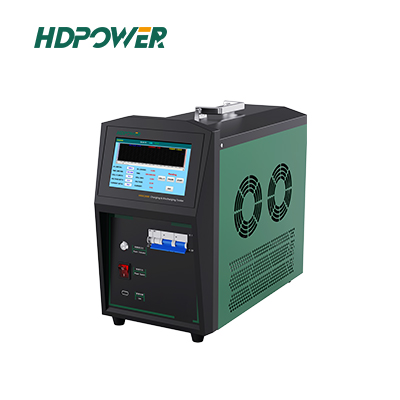
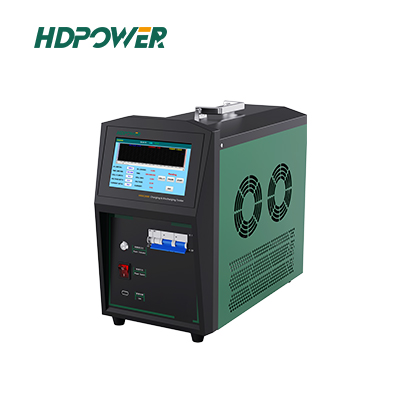
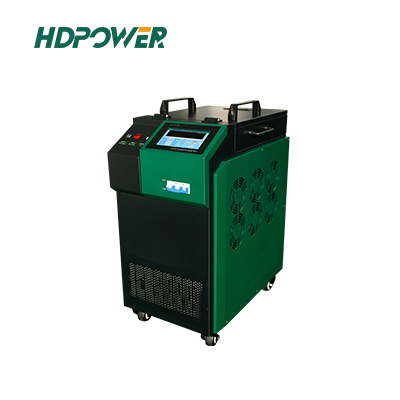
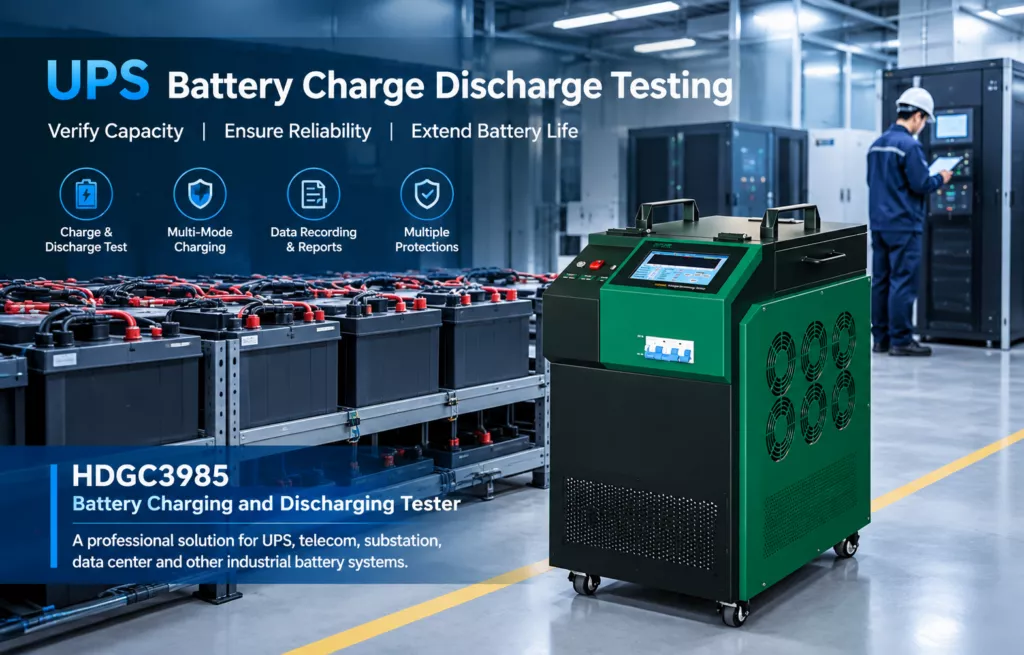
For industrial users who require an integrated solution for lead-acid battery charging and discharging, the HDGC3985 Battery Charge and Discharge Tester from HDPOWER provides multiple operating functions for battery maintenance and performance verification.
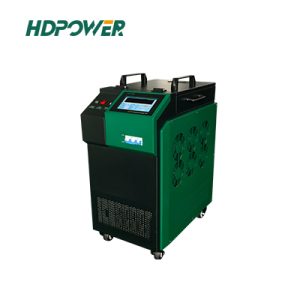
Designed for applications including substations, telecommunications facilities, UPS systems, and data centers, the HDGC3985 combines controlled discharge, intelligent charging, and battery activation functions in one device.
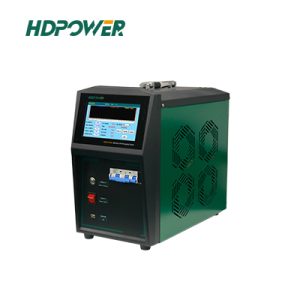
For industrial users seeking an integrated solution, a Battery Charging and Discharging Tester can simplify battery maintenance by combining multiple charging and discharging functions in one testing system.
Its main capabilities include:
Multiple discharge modes: Supports constant-current (CC) and constant-power (CP) discharge for different testing requirements.
Intelligent charging: Supports constant-current charging, constant-voltage and current-limited charging, trickle charging, and float charging.
Battery activation and maintenance: Provides configurable charging and discharging operations for appropriate battery maintenance applications.
Rapid capacity assessment: Supports rapid battery capacity analysis, with a reported assessment time of approximately 3–5 minutes under applicable conditions. This function is intended for preliminary assessment and does not replace a full rated-capacity discharge test.
High-current parallel operation: Multiple units can operate in parallel to support discharge currents exceeding 300 A, subject to the equipment configuration.
Industrial touchscreen: A 7-inch display provides an intuitive interface for parameter configuration and test operation.
Reliable control architecture: Dual-CPU redundancy helps support stable equipment operation.
Automatic reporting: Test data can be recorded and exported into Excel or Word formats for maintenance documentation and performance comparison.
For power utilities and industrial maintenance teams, these functions can help simplify testing workflows, reduce manual data recording, and improve the efficiency of routine battery maintenance.
The equipment should always be configured according to the connected battery specifications and the applicable site operating procedures.
For detailed specifications and configuration options, visit the HDGC3985 Battery Charge and Discharge Tester product page.
-
Conclusion
Lead-acid battery charge-discharge cycle verification is an important practice for maintaining reliable stationary backup power systems.
By evaluating charging behavior, discharge performance, voltage response, and test records, maintenance personnel can identify potential battery problems before they affect critical power availability.
An effective verification process requires appropriate test procedures, correctly configured parameters, reliable measurement equipment, and consistent maintenance documentation.
For industrial applications such as substations, telecommunications facilities, UPS systems, and data centers, an integrated battery charging and discharging tester can make routine maintenance more efficient and improve the visibility of battery performance.
HDPOWER provides battery testing and maintenance equipment designed for industrial battery applications. With multiple charging and discharging modes, intelligent operation, and automatic report generation, the HDGC3985 offers a practical option for organizations seeking a more efficient approach to lead-acid battery maintenance.
Contact HDPOWER to discuss your battery testing requirements and find a suitable testing configuration for your application.