Introduction
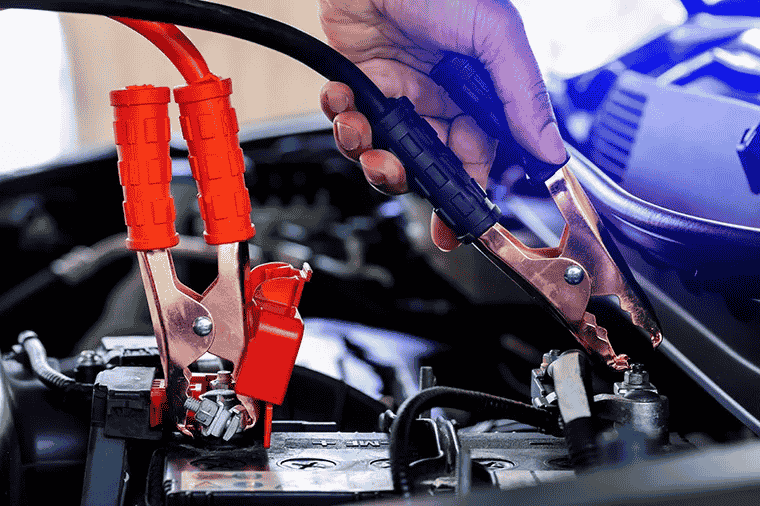
Lead-acid batteries remain widely used in UPS systems, telecommunications, substations, data centers, rail transit, and industrial backup power systems. Although these batteries are designed for long-term operation, their performance gradually changes because of aging, sulfation, repeated charging and discharging, temperature variations, and improper maintenance.
For critical backup power systems, simply checking battery voltage is not enough to determine whether a battery can still deliver its rated capacity. Professional lead acid battery testing equipment provides a more comprehensive way to evaluate battery voltage, current, discharge performance, capacity, and overall operating condition.
For maintenance teams, the challenge is not simply finding a battery tester. The right equipment must match the battery voltage, capacity, testing method, application environment, and maintenance objective. This article explains the major types of lead acid battery testing equipment, how they work, and how to select the right solution for different industrial applications.
What Is Lead Acid Battery Testing Equipment?
Lead acid battery testing equipment refers to a range of professional instruments and systems used to evaluate the electrical performance and condition of lead-acid batteries.
Different testing devices perform different functions. Some quickly measure voltage and internal battery conditions, while others perform controlled discharge tests to determine actual available capacity. More advanced systems can charge, discharge, activate, monitor, and record battery performance during a complete maintenance procedure.
Common types of equipment include:
- Battery analyzers
- Battery discharge testers
- Battery capacity testers
- Battery charge and discharge testers
- Battery chargers
- Battery activators
- Battery monitoring systems
For example, a battery analyzer can be used for rapid condition assessment, while a discharge tester can apply a controlled load to determine whether a battery can deliver its expected capacity. A charge and discharge tester combines charging and discharging functions for more comprehensive battery maintenance.
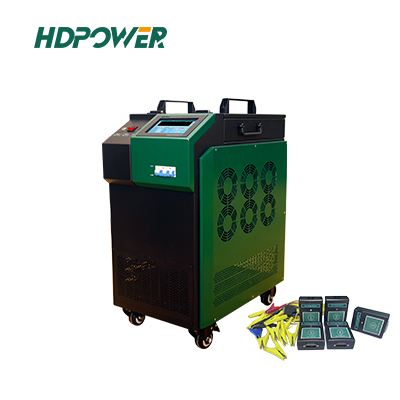
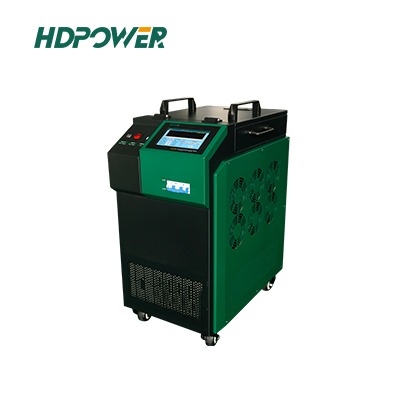
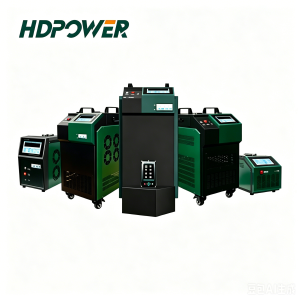
HDPOWER’s Lead Acid Battery Tester Series provides a range of testing and maintenance solutions for lead-acid batteries used in power, telecommunications, UPS, rail transit, and data center applications.
Why Is Lead Acid Battery Testing Important?
A lead-acid battery may show a normal voltage during a routine inspection while still having significantly reduced capacity. This is particularly important for standby batteries because they may remain on float charge for long periods and only be required to deliver substantial power during an emergency.
Controlled testing provides information that a simple voltage measurement cannot provide.
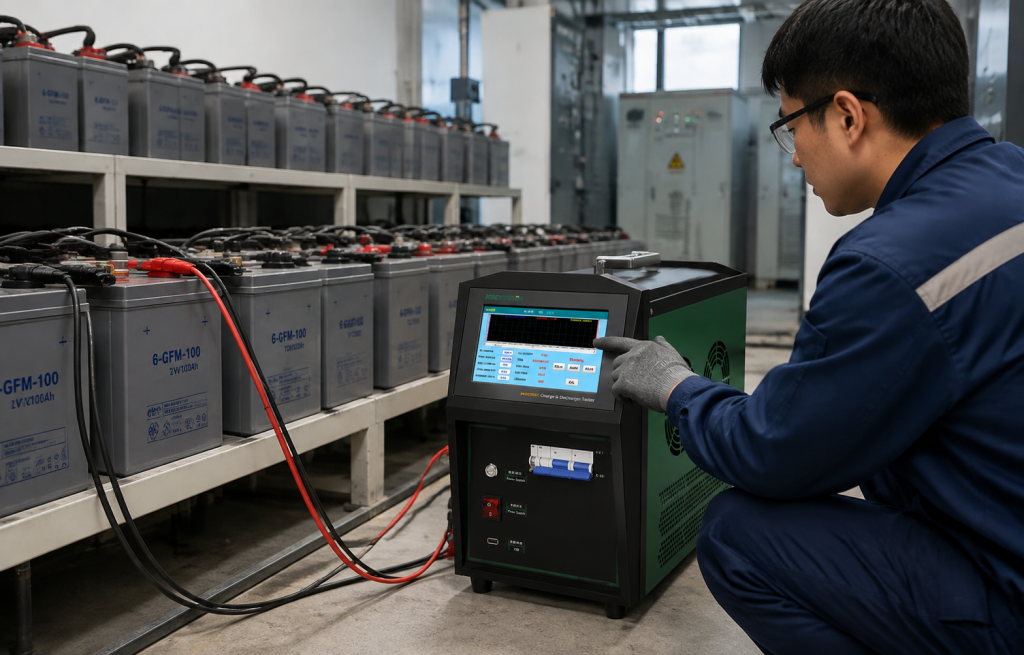
During a battery discharge test, the tester applies a defined load and continuously records parameters such as voltage, current, discharge time, and capacity. The resulting data helps maintenance engineers identify batteries that have deteriorated and determine whether a battery bank can still meet operational requirements.
Regular testing can help organizations:
- Identify aging or weak batteries
- Verify actual battery capacity
- Detect abnormal discharge behavior
- Evaluate battery performance over time
- Support preventive maintenance
- Reduce unexpected backup-power failures
- Make better battery replacement decisions
- Generate documented maintenance records
For critical infrastructure, the value of testing is therefore not limited to measuring a battery. It is about reducing uncertainty about whether the battery will perform when backup power is actually required.
Types of Lead Acid Battery Testing Equipment
Different maintenance objectives require different types of equipment. Choosing the correct tester can improve testing efficiency while avoiding unnecessary equipment costs.
- Battery Analyzer
A battery analyzer is generally used for rapid battery condition assessment. It can measure key electrical parameters and help technicians quickly identify batteries that require further investigation.
This type of equipment is useful during routine inspections when a large number of individual batteries or battery strings need to be checked efficiently.
For more detailed capacity verification, however, a controlled discharge test is normally more appropriate.
- Battery Discharge Tester
A battery discharge tester applies a controlled load to the battery or battery bank and monitors its performance throughout the test.
This method is particularly useful when the objective is to determine actual available capacity. By controlling discharge current or power and monitoring the battery until a specified end voltage is reached, technicians can obtain more meaningful performance data than from a simple voltage measurement.
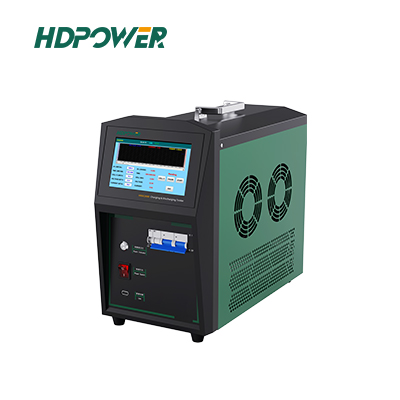
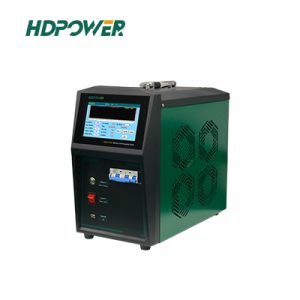
HDPOWER’s Battery Discharging Tester product line is designed for controlled discharge testing of lead-acid batteries and supports applications including UPS systems, telecommunications, substations, and data centers.
- Battery Capacity Tester
Battery capacity testing focuses on answering a fundamental question:
How much usable capacity can the battery actually deliver?
A controlled discharge test records the relationship between discharge current, voltage, and time. The resulting data can be compared with the battery’s rated specifications or previous test results.
Capacity testing is especially valuable for older battery banks where routine voltage measurements no longer provide enough information for replacement decisions.
- Battery Charge and Discharge Tester
A battery charge and discharge tester combines controlled charging and discharging functions in one system.
Depending on the model, such equipment may support constant-current charging, constant-voltage charging, constant-current discharge, constant-power discharge, capacity testing, cycle testing, data recording, and report generation.
This makes a charge and discharge tester particularly useful when maintenance teams need to evaluate battery performance and perform controlled charging or activation within the same workflow.
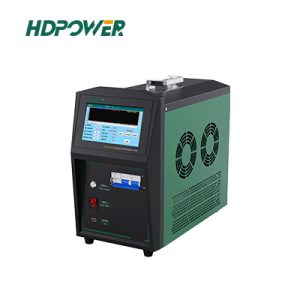
For industrial users looking for an integrated solution, HDPOWER’s Battery Charge Discharge Tester range includes models designed for different battery voltage and application requirements.
What Should You Consider When Choosing Lead Acid Battery Testing Equipment?
Selecting a tester based only on its maximum voltage or current is not enough. Several technical and application factors should be considered.
Battery Voltage Range
First, confirm the nominal voltage of the battery or battery bank.
Industrial lead-acid systems may use 2V cells, 6V batteries, 12V batteries, or multiple batteries connected in series. The tester must support the actual voltage range of the system.
For large stationary battery banks, also consider the maximum voltage of the complete string rather than looking only at the voltage of an individual battery.
Discharge Current and Power
The required discharge current depends on battery capacity and the intended testing method.
A tester with insufficient discharge capability may not be suitable for high-capacity battery banks. On the other hand, selecting an unnecessarily powerful system can increase equipment cost and operating requirements.
Users should therefore define the required discharge current, power range, test duration, and end-of-discharge voltage before selecting equipment.
Charging and Discharging Functions
If the objective is only capacity verification, a dedicated discharge tester may be sufficient.
However, if maintenance procedures also require controlled charging, repeated charge/discharge cycles, or battery activation, a combined charge and discharge tester can provide greater flexibility.
This is particularly useful for maintenance departments that want to reduce the number of separate devices required for battery servicing.
Measurement and Data Recording
Professional testing is more useful when test data can be recorded and analyzed.
Important parameters may include:
- Battery voltage
- Discharge current
- Charging current
- Discharge time
- Capacity
- Voltage curves
- Test status
- End-of-test conditions
Automatic data recording also makes it easier to compare current results with previous maintenance records and identify long-term performance trends.
Safety Protection
Battery testing involves significant electrical energy, especially when testing large stationary battery banks.
When selecting lead acid battery testing equipment, consider functions such as over-current protection, over-temperature protection, reverse-polarity protection, abnormal-voltage protection, alarms, and automatic shutdown.
Safety functions should be evaluated together with the battery voltage, current, capacity, and actual working environment.
Portability and Application Environment
A handheld tester may be ideal for routine field inspections, while a high-power discharge system may be more suitable for large battery banks.
Consider whether the equipment will be used in:
- Telecom base stations
- UPS rooms
- Substations
- Data centers
- Rail transit facilities
- Industrial plants
- Battery service centers
The physical size, weight, operating interface, cable configuration, and data management functions can all affect field efficiency.
Lead Acid Battery Testing for UPS and Telecom Systems
UPS and telecommunications systems are two important applications for lead-acid batteries.
In these environments, battery failure can result in service interruption, equipment downtime, or loss of critical data. Regular testing therefore plays an important role in preventive maintenance.
For UPS battery systems, discharge testing can help verify whether the battery bank can provide the required backup runtime. In telecommunications, testing can help maintenance teams identify weak batteries within a battery bank before they affect system reliability.
Professional lead acid battery test equipment can therefore support both routine inspection and scheduled capacity testing.
Why Charge and Discharge Testing Provides More Information
Voltage testing is useful, but it only provides a snapshot of battery condition.
Charge and discharge testing evaluates how the battery behaves under controlled operating conditions. During discharge, the tester can continuously monitor voltage and current while calculating available capacity. During charging, controlled voltage and current parameters can be used to evaluate charging behavior.
This makes charge and discharge testing particularly valuable when maintenance engineers need more than a simple pass/fail indication.
For organizations managing large battery banks, the combination of controlled testing, automatic data recording, and report generation can also make maintenance records more consistent and easier to compare.
How to Choose the Right Equipment
A practical selection process can be divided into five steps:
Step 1: Identify the battery type and configuration.
Determine whether the system uses VRLA, AGM, GEL, or another type of lead-acid battery, and identify the number of batteries connected in series or parallel.
Step 2: Define the testing objective.
Decide whether you need rapid condition assessment, internal diagnostics, discharge testing, capacity verification, charging, activation, or complete charge/discharge testing.
Step 3: Determine the electrical requirements.
Check the battery voltage, capacity, required discharge current, discharge power, end voltage, and expected test duration.
Step 4: Evaluate data and safety functions.
Consider automatic recording, real-time monitoring, test reports, alarms, over-current protection, over-temperature protection, and automatic shutdown.
Step 5: Match the equipment to the application.
A handheld tester may be suitable for field inspection, while a programmable high-power system may be more appropriate for large UPS, telecom, or substation battery banks.
Conclusion
Choosing the right lead acid battery testing equipment is an important part of maintaining reliable backup power systems. Different testing objectives require different tools, from battery analyzers and discharge testers to capacity testers and integrated charge and discharge systems.
For routine inspections, a battery analyzer can provide fast condition assessment. When actual capacity needs to be verified, controlled discharge testing provides more meaningful performance information. When charging, discharging, activation, and data analysis need to be combined, a professional battery charge and discharge tester can provide a more comprehensive maintenance solution.
For industrial users, the best equipment is not necessarily the most powerful equipment. It is the equipment that matches the battery configuration, testing objective, electrical requirements, safety requirements, and application environment.
HDPOWER provides professional lead-acid battery testing and maintenance solutions for UPS systems, telecommunications, substations, data centers, rail transit, and other industrial applications. Its product range covers battery analyzers, discharge testers, capacity testers, chargers, activators, and charge/discharge testing systems.
If you are evaluating equipment for a specific battery bank, selecting the correct voltage and current range is the first step. A professional testing equipment manufacturer can then help match the appropriate test method and configuration to your application.