In modern power systems, the reliability of batteries directly determines the stability and safety of countless applications—from energy storage systems (ESS) and uninterruptible power supplies (UPS) to telecommunications networks, electric vehicles, and industrial backup units. While voltage checks and internal resistance measurements can provide partial insights into battery behavior, the only way to determine actual usable capacity is through a controlled discharge test.
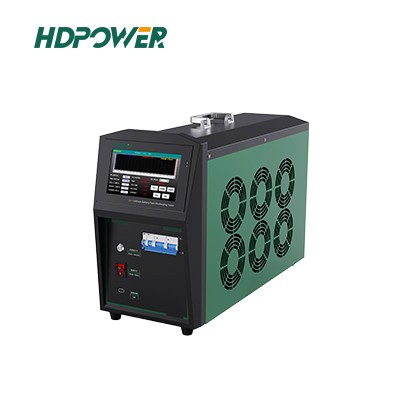
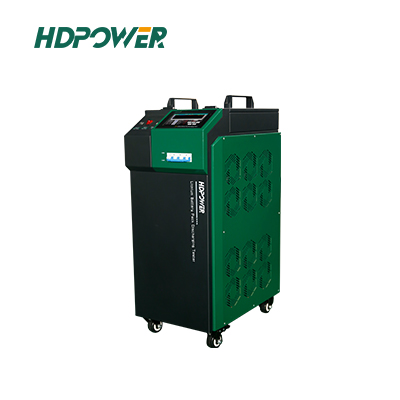
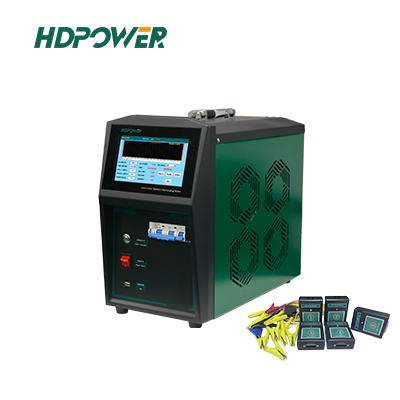
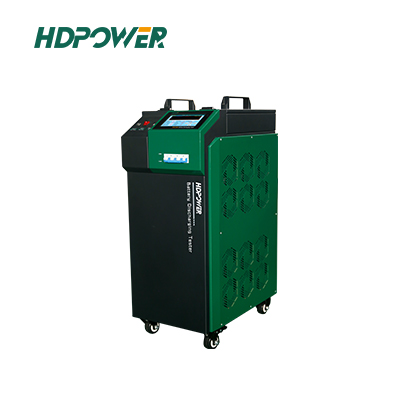
A DC discharge machine is a purpose-built device designed to measure battery capacity under real load conditions. By applying a steady and accurately controlled DC load, it reveals how a battery performs when delivering current, which is the most crucial indicator of health, reliability, and end-of-life prediction. Because batteries degrade chemically and structurally over time, professional discharge testing has become a foundational method in preventive maintenance programs across various industries.
Why DC Discharge Testing Is Necessary for Modern Battery Systems
All batteries, regardless of chemistry, experience performance degradation as they age. Lithium-ion systems develop increased internal resistance, reduced voltage stability, and heat accumulation under load. Lead-acid systems suffer from sulfation, electrolyte stratification, and plate corrosion. These degradation patterns often remain hidden during no-load measurements, meaning a battery may appear healthy until it is required to supply current.
A DC discharge machine eliminates this uncertainty by simulating real-world working conditions. Under a controlled discharge, the device captures key parameters such as voltage sag, temperature rise, discharge time, and ampere-hour output. These data points create a full performance profile that allows technicians to determine whether the battery can still support operational loads or if it requires maintenance, equalization, or replacement.
DC discharge testing also supports accurate capacity verification (Ah/Wh), long-term health trend monitoring, predictive maintenance decisions, quality assurance workflows, and improved reliability for critical infrastructure systems. Because many failures in UPS and industrial systems occur due to weak or aging batteries, incorporating DC discharge testing into routine checks dramatically reduces unexpected outages.
How a DC Discharge Machine Works
A DC discharge machine connects directly to the battery terminals and draws current according to preset parameters. Unlike resistive loads that offer limited control, modern electronic DC dischargers provide precise current regulation, enabling accurate repeatable measurements across a wide range of voltages and capacities.
During operation, the machine applies a constant current (CC) or constant power (CP) load while measuring:
● Terminal voltage
● Current flow
● Temperature behavior
● Discharge runtime
● Effective capacity delivered
● Voltage recovery after load removal
These measurements form the basis of a complete capacity evaluation.
Advanced DC discharge machines include microprocessor-based control systems capable of automated cutoff at preset voltage values, quick load transitions for dynamic testing, and real-time graphical output. Data logging enables long-term tracking of battery health, which is particularly important for large installations such as data centers, renewable energy storage, and telecom stations.
Key Advantages of Using a DC Discharge Machine
A professional DC discharge machine offers several engineering-grade advantages over manual or improvised load methods:
1. High Accuracy and Stability
Modern machines regulate current with exceptional precision, ensuring the test is not influenced by temperature drift, voltage fluctuations, or load inconsistencies.
2. Realistic Performance Representation
A controlled discharge replicates real usage and provides far more representative capacity measurements than simple voltage checks.
3. Integrated Safety Protections
Built-in protections—such as overcurrent, overvoltage, thermal monitoring, reverse polarity detection, and emergency stops—are essential when testing high-energy lithium or lead-acid batteries.
4. Automated Reporting and Data Recording
Comprehensive logs support long-term performance comparison, trend analysis, and predictive maintenance programs.
5. Wide Application Compatibility
It can test individual batteries, modules, or full strings across telecommunications, industrial systems, EV maintenance, and ESS operations.
Applications Across Energy and Industrial Sectors
Energy Storage Systems (ESS)
Large-scale batteries rely on DC discharge testing to ensure consistent capacity delivery and to detect degradation early.
UPS & Data Centers
Backup systems require reliable discharge performance to guarantee runtime during power failures.
Electric Vehicles
Technicians use DC dischargers to evaluate auxiliary batteries and assess high-voltage system behavior.
Telecommunications
48V systems depend on accurate discharge tests to ensure uninterrupted network operation.
Battery Manufacturing & QC
Capacity testing is standard before shipping or integrating batteries into larger systems.
Engineering Best Practices for Effective Discharge Testing
To ensure accurate and repeatable results, technicians should follow professional guidelines:
1.Allow the battery to stabilize before testing.
2.Ensure low-resistance, secure connections.
3.Select appropriate discharge rates (typically 0.1C–0.2C for capacity evaluation).
4.Monitor temperature to avoid overheating.
5.Follow manufacturer-recommended cutoff voltages.
6.Record results for long-term comparison.
These best practices ensure engineering-valid and reliable results across modern lithium and lead-acid systems.
Lead-Acid and Lithium DC Discharge Equipment for Professional Maintenance Programs
As battery technologies diversify across industries, the need for specialized discharge equipment designed for specific chemistries has become increasingly important. Facilities maintaining mixed fleets of battery systems benefit greatly from using both lead-acid DC discharge equipment and lithium DC discharge equipment, each tailored to the electrical characteristics and safety requirements of its respective technology.
Lead-acid batteries, commonly used in UPS networks and telecom infrastructure, demand controlled discharge testing to evaluate sulfation levels, plate condition, electrolyte performance, and reserve capacity. Dedicated lead-acid battery load tester offers stable current output, precise cutoff control, and built-in thermal protection—making it highly suitable for routine industrial and power system maintenance.

Conversely, lithium battery discharger supports the advanced requirements of lithium-ion systems found in EV modules, ESS installations, and industrial energy platforms. These devices incorporate fast-response programmable loads, high-resolution measurement circuits, real-time thermal monitoring, and multi-level safety mechanisms to handle the higher energy density and tighter voltage windows of lithium-ion chemistry. Together, both types of equipment enable technicians to perform chemistry-specific capacity tests, improve lifecycle management, and ensure operational safety across all battery technologies.

Conclusion
A DC discharge machine is one of the most important tools for accurate and reliable battery performance evaluation. By applying controlled discharge conditions and capturing comprehensive performance data, it provides a realistic assessment of capacity, voltage stability, thermal behavior, and overall battery health. Whether used in data centers, EV maintenance facilities, industrial power systems, or energy storage sites, DC discharge machines play a vital role in maintaining operational continuity and preventing failures.
As battery use continues to expand across critical infrastructure worldwide, specialized DC discharge tools—especially dedicated lead-acid and lithium discharge equipment—will remain essential components of modern maintenance and diagnostic programs.