What Is a UPS Load Bank?
A UPS load bank is a specialized device engineered to simulate electrical loads, enabling comprehensive testing, maintenance, and validation of uninterruptible power supply (UPS) systems. It replicates real-world power demands to evaluate how a UPS unit performs under varying conditions, ensuring it can deliver consistent, reliable power during critical outages or transitions.
Uninterruptible Power Supply (UPS) systems are a critical layer of protection in data centers, telecom facilities, hospitals, and industrial control environments. Although modern UPS systems are equipped with monitoring and alarm functions, these indicators alone cannot confirm whether a system will perform reliably during an actual power outage. True performance can only be validated under load.
UPS load bank testing provides a controlled and repeatable way to evaluate how batteries, inverters, and the overall UPS system behave under realistic operating conditions. From an engineering perspective, it is not an optional procedure but a fundamental method for verifying system readiness and reducing operational risk.
Why UPS Load Bank Testing Is Essential
UPS systems may appear healthy during idle operation. Battery voltage can remain within normal range, alarms may be absent, and system indicators may show no faults. However, these conditions do not confirm that the system can sustain real loads during a power outage.
UPS load bank testing is essential because it:
● Verifies actual battery runtime, not theoretical capacity
● Confirms inverter stability under sustained load
● Exposes weak or aging batteries
● Validates thermal performance and protection behavior
● Reduces the risk of unexpected failures during outages
Without load testing, UPS performance remains an assumption rather than a verified capability.
Battery Performance Verification Under Load
One of the primary purposes of UPS load bank testing is to confirm that the battery system can support the required runtime. During testing, batteries are discharged in a controlled manner while voltage and discharge duration are monitored.
This process reveals whether the battery system can sustain load until the defined cutoff voltage is reached. Batteries that appear normal at rest may exhibit rapid voltage decline, uneven discharge behavior, or premature shutdown under load. These symptoms often indicate aging, imbalance, or insufficient capacity.
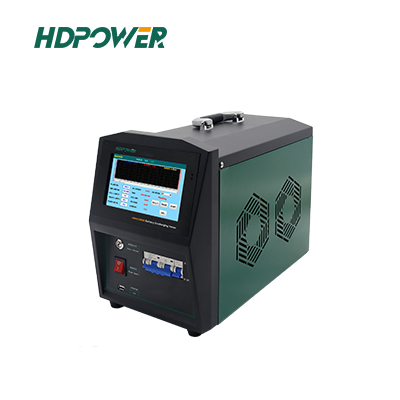
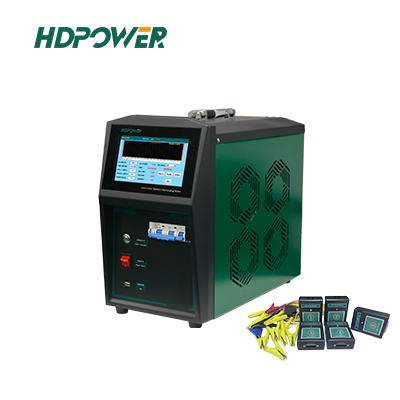
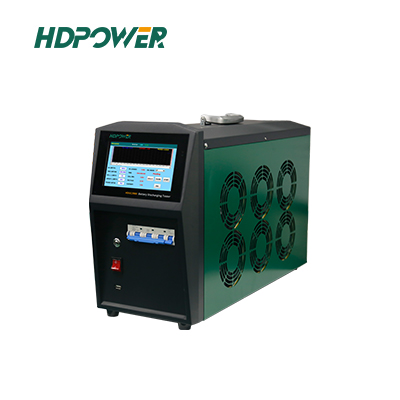
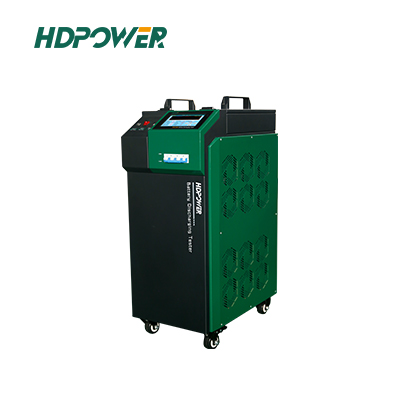
From an engineering perspective, this verification is often performed on the DC side of the UPS using a dc load bank, which applies controlled discharge directly to the battery system to evaluate capacity, voltage response, and consistency across battery strings.
By observing discharge curves rather than relying on nominal ratings, engineers gain a realistic understanding of usable battery capacity.

Inverter and Power Path Evaluation
UPS load bank testing also validates inverter performance. When supplying power under load, the inverter must maintain stable output voltage and frequency while handling sustained demand.
Load testing confirms whether the inverter can deliver rated power continuously without excessive thermal stress or instability. It also verifies that control systems respond correctly to changes in load and operating mode. This is particularly important in critical environments where even minor voltage deviations can affect sensitive equipment.
System-Level Functional Verification
Beyond individual components, load bank testing evaluates the UPS system as a whole. Engineers can confirm seamless transition to battery mode, stable operation throughout discharge, and proper recovery when utility power is restored.
This system-level validation ensures that rectifier, inverter, battery, and control logic operate as an integrated system rather than as isolated components.
Test Methods Used in UPS Load Bank Testing
Constant power discharge is the most common method used in UPS testing because it closely reflects real operating conditions. As battery voltage decreases, current increases to maintain constant power, placing realistic stress on both batteries and inverter.
In some cases, constant current testing is also applied, particularly when evaluating battery capacity trends or comparing performance between battery strings. Step load testing may be used during commissioning to observe system response to sudden load changes.
The choice of method depends on test objectives rather than equipment capability alone.
● Establish a Regular Testing Schedule: Conduct load bank tests at least annually, or quarterly for critical systems, to maintain consistent system health.
● Follow Manufacturer Guidelines: Adhere to the testing procedures recommended by both the UPS and load bank manufacturers to avoid equipment damage and ensure accurate results.
● Document All Test Data: Keep detailed records of test parameters, performance metrics, and any issues detected to track system trends and inform future maintenance decisions.
● Engage Certified Professionals: For complex testing scenarios or high-voltage systems, work with trained technicians who specialize in UPS and load bank operations to ensure safety and accuracy.
Preparation and Monitoring During Testing
Successful UPS load bank testing depends heavily on proper preparation. Load levels must be selected according to system ratings, cutoff voltages must be clearly defined, and adequate cooling must be ensured. Safety procedures should always be in place, as testing involves high currents and sustained power dissipation.
In some maintenance and acceptance scenarios, constant current discharge is also applied, particularly when evaluating battery capacity trends over time. In practice, engineers often rely on a battery load tester to integrate controlled discharge, real-time measurement, and capacity calculation into a single testing process, supporting objective assessment of battery runtime and performance.
During testing, continuous monitoring of voltage, current, temperature, and system alarms is essential. The value of load bank testing lies not only in whether the system remains online, but in how it behaves throughout the discharge process.
Interpreting Test Results
Test results should be evaluated against design requirements rather than isolated benchmarks. Meeting runtime expectations, maintaining voltage within acceptable limits, and avoiding abnormal thermal behavior are all critical indicators of system health.
Trends observed across repeated tests are often more valuable than single test results. Gradual reductions in runtime or increasing voltage instability typically indicate aging effects that require proactive maintenance.
Limitations of Load Bank Testing
UPS load bank testing is a verification tool, not a corrective one. It does not restore battery capacity or resolve underlying defects. Improper test configuration can also place unnecessary stress on batteries if limits are not respected.
For a complete assessment, load bank testing is often combined with other diagnostic methods such as internal resistance measurement or visual inspection.
Conclusion
UPS load bank testing is an essential engineering practice for validating backup power systems. By applying controlled electrical loads, it verifies battery capacity, inverter stability, and overall system readiness under realistic conditions.
For critical power environments, load bank testing transforms UPS reliability from an assumption into a measurable and repeatable fact. When performed correctly and regularly, it significantly reduces the risk of unexpected failures and ensures that UPS systems perform as intended when power continuity matters most.