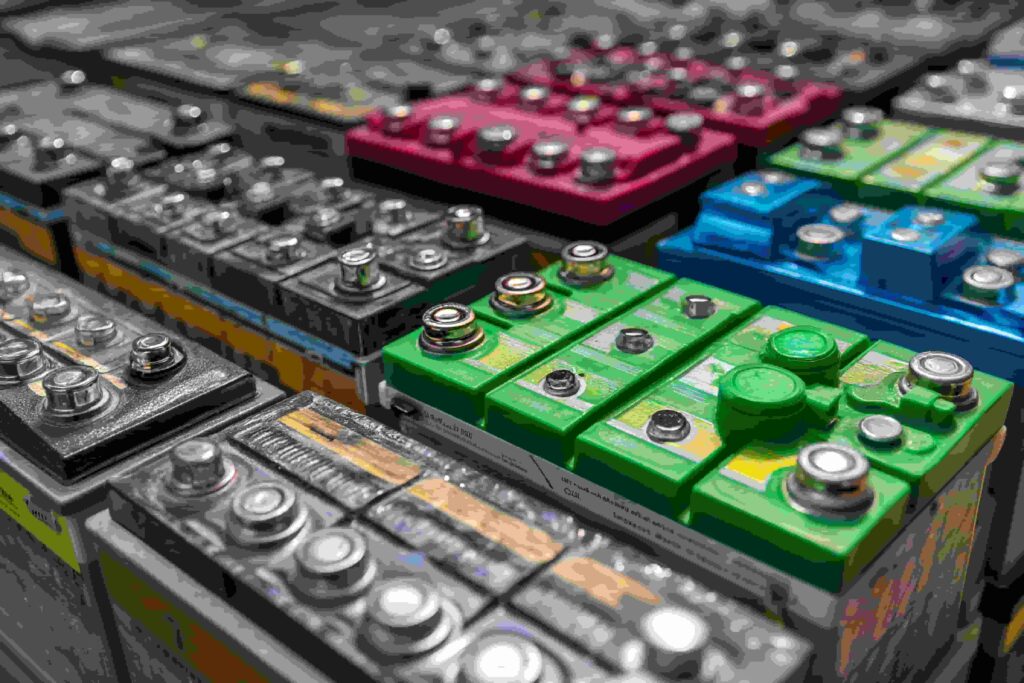
Introduction: Why Battery Activation Equipment Is Important for Industrial Battery Maintenance
Lead acid batteries are widely used in UPS systems, telecom backup power, renewable energy storage, transportation, and industrial power applications. However, after long-term operation, many batteries experience capacity loss, reduced charging efficiency, and shortened service life due to sulfation, aging, and improper maintenance.
Instead of replacing batteries frequently, many maintenance companies are adopting Battery Activation Equipment to restore battery performance and extend operational lifespan. By combining advanced charging, discharging, and activation technologies, professional battery activation solutions help reduce maintenance costs while improving battery reliability.
For industrial battery users, selecting the right activation equipment is not only about recovering battery capacity but also about establishing an efficient battery maintenance system.
What Is Battery Activation Equipment?
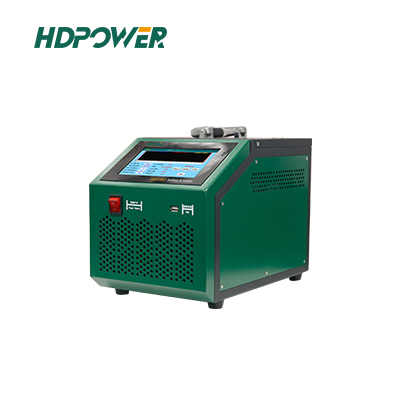
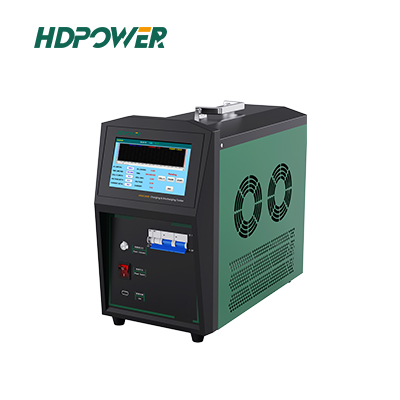
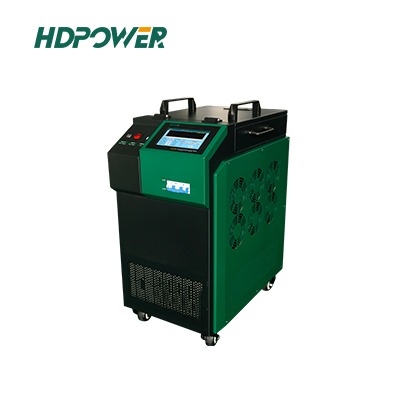
Battery Activation Equipment is a specialized device designed to analyze, charge, activate, and recover aging lead acid batteries. Unlike conventional chargers that only replenish electrical energy, activation equipment applies controlled charging and discharging processes to improve battery performance.
During battery operation, lead sulfate crystals gradually accumulate on battery plates. This phenomenon, known as sulfation, reduces the active material area and limits the battery’s ability to store and release energy. A professional Battery Activator uses optimized electrical control technology to break down harmful sulfation and improve battery activity.
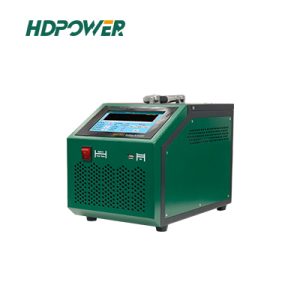
Industrial activation equipment usually integrates multiple functions, including:
- Battery condition analysis
- Intelligent charging control
- Constant current discharge
- Activation cycles
- Capacity verification
- Data monitoring and reporting
This makes it suitable for professional battery maintenance centers, power companies, telecom operators, and energy storage service providers.
How Does Battery Activation Equipment Work?
- Battery Condition Analysis
Before activation, the equipment evaluates the battery’s current condition by measuring key parameters such as voltage, charging status, and discharge performance.
Understanding the battery condition allows technicians to select appropriate activation parameters and avoid unnecessary battery replacement.
- Controlled Charging and Discharging Process
A major advantage of modern activation equipment is the ability to perform controlled charge and discharge cycles.
During this process, the equipment adjusts current and voltage according to battery characteristics. The repeated activation cycle helps improve chemical reactions inside the battery and restore available capacity.
Compared with simple charging methods, professional activation technology provides a more comprehensive approach for Battery Restoration by addressing the causes of performance degradation rather than only increasing temporary voltage.
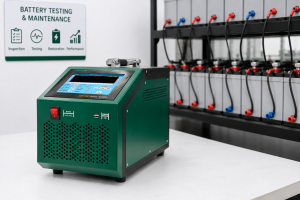
- Sulfation Recovery Technology
Battery sulfation is one of the most common reasons for lead acid battery failure.
When batteries remain undercharged or stored for long periods, hard sulfate crystals form on the plates. These crystals reduce conductivity and prevent normal charging.
Advanced activation equipment uses high-frequency activation technology, optimized current control, and intelligent charging methods to reduce sulfation effects and improve battery efficiency.
Key Advantages of Using Battery Activation Equipment
Extend Lead Acid Battery Service Life
Replacing industrial batteries can involve significant costs, especially for large-scale UPS systems, communication networks, and energy storage projects.
A reliable Lead Acid Battery Activator provides a maintenance solution that helps extend battery service life and delay replacement cycles.
Benefits include:
- Reduced battery replacement expenses
- Improved battery utilization
- Lower maintenance frequency
- Reduced battery waste
Improve Battery Performance and Reliability
Battery performance is closely related to voltage stability, capacity, and internal chemical activity.
Professional activation equipment helps maintenance teams identify weak batteries and improve battery consistency through controlled activation procedures.
For organizations managing large battery banks, this improves system reliability and reduces unexpected downtime.
Battery Activation Equipment vs Traditional Battery Charger
Many users confuse activation equipment with standard battery chargers. However, they serve different purposes.
| Equipment | Main Function |
| Battery Charger | Provides electrical energy to recharge batteries |
| Battery Tester | Measures battery condition and performance |
| Battery Activation Equipment | Activates, restores, and maintains battery performance |
A charger can recharge a battery, but it cannot effectively solve problems caused by sulfation or long-term capacity degradation.
This is why professional battery maintenance providers choose activation equipment for deeper recovery and lifecycle management.
The Role of Battery Testing During Activation
Accurate testing is essential before and after the activation process.
A professional Lead Acid Battery Tester helps technicians evaluate:
- Battery voltage
- Internal resistance
- Remaining capacity
- Charging condition
- Recovery results
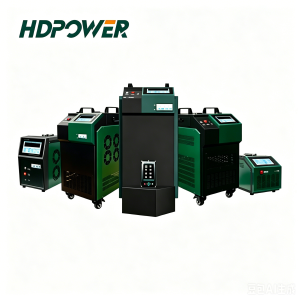
By combining testing and activation functions, maintenance teams can create a complete battery management process from diagnosis to recovery.
This approach is especially valuable for:
- UPS battery rooms
- Telecom backup power systems
- Industrial battery banks
- Energy storage applications
Applications of Battery Activation Equipment
UPS Battery Maintenance
UPS systems require reliable backup batteries to ensure continuous power supply.
Regular activation and testing help prevent unexpected battery failures and improve backup performance.
Telecom Backup Battery Service
Telecommunication facilities often operate large numbers of standby batteries.
Battery activation equipment allows service providers to maintain battery banks efficiently and reduce replacement costs.
Industrial and Power System Maintenance
Power plants, substations, and industrial facilities depend on stable battery systems for control and protection equipment.
Activation technology provides an effective method for maintaining stationary lead acid batteries.
Battery Repair and Recycling Applications
Battery repair workshops and recycling companies can use activation equipment to evaluate and restore batteries that still have recovery potential.
This improves resource utilization and supports sustainable battery management.
How to Choose the Right Battery Activation Equipment?
When selecting activation equipment, users should consider several important factors.
Battery Voltage Range
Different applications require different voltage capabilities. Equipment should support commonly used battery systems, including 12V, 24V, 48V, and industrial battery configurations.
Activation Current Capability
Higher activation capability allows faster and more effective treatment of larger battery capacities.
Industrial users should select equipment according to battery size and maintenance requirements.
Intelligent Control and Data Management
Modern battery activation systems should provide:
- Automatic parameter adjustment
- Real-time monitoring
- Data recording
- Test report generation
These functions improve maintenance efficiency and provide traceable battery records.
Why Choose Professional Battery Activation Equipment?
For industrial battery users, professional activation equipment provides a complete solution beyond simple charging.
A reliable system can help:
- Recover underperforming lead acid batteries
- Extend battery service life
- Reduce maintenance costs
- Improve battery management efficiency
With advanced activation technology and intelligent control systems, modern battery maintenance equipment enables companies to maximize battery value while improving operational reliability.
Conclusion
Battery degradation is unavoidable, but frequent battery replacement is not always the only solution. With advanced Battery Activation Equipment, businesses can restore battery performance, reduce maintenance expenses, and extend the service life of industrial lead acid batteries.
For battery maintenance companies, UPS service providers, telecom operators, and industrial users, investing in professional activation technology provides a practical way to improve battery reliability and achieve more efficient energy management.