Introduction
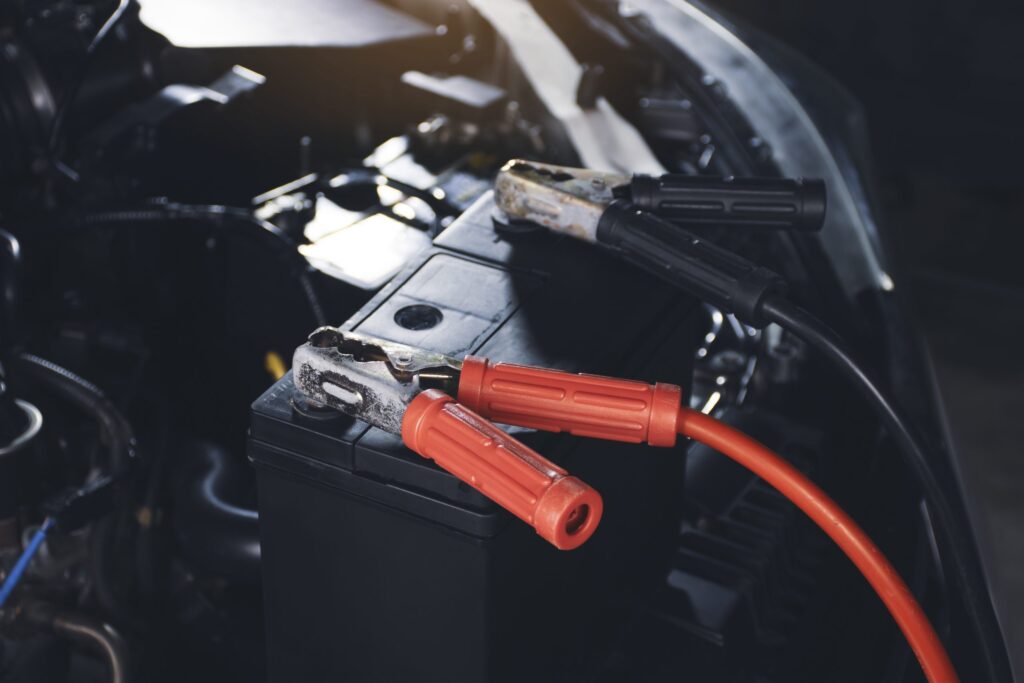
Lead-acid batteries are widely used in substations, UPS systems, telecommunications, renewable energy, rail transit, and industrial backup power. Over time, these batteries gradually lose capacity due to sulfation, improper charging, deep discharge, and long-term storage.
Many batteries that appear to have reached the end of their service life can actually recover a significant amount of capacity through professional Battery Restoration. Instead of replacing every weak battery, restoration helps reduce maintenance costs, improve system reliability, and extend battery lifespan.
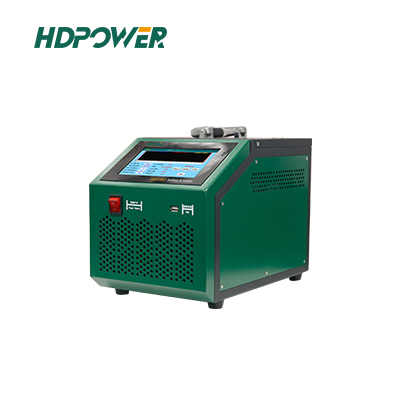
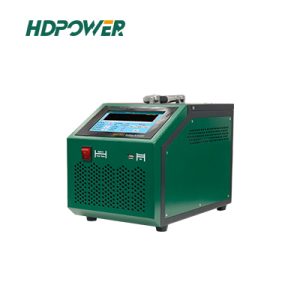
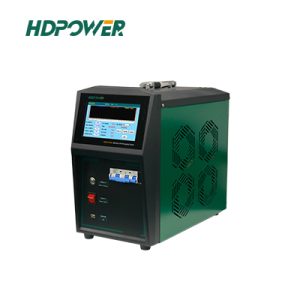
One of the key tools in this process is a professional Battery Activator, which fully utilizes the characters of high frequency, low voltage and high current to decompose the lead sulfate crystals adhered to the surface of battery plate in the role of directional current, which revert back to lead ions and realize the battery charge and repair.
What Is Battery Restoration?
Battery restoration is the process of recovering battery performance by reversing reversible degradation, especially sulfation in lead-acid batteries.
When a battery remains undercharged or unused for long periods, lead sulfate crystals accumulate on the battery plates. As these crystals harden, the battery stores less energy, delivers lower power, and experiences higher internal resistance.
Professional restoration equipment combines intelligent charging, pulse activation, and controlled discharge to improve the electrochemical condition of the battery. When performed correctly, restoration can extend battery service life and delay costly replacements.
Common Causes of Battery Capacity Loss
Several factors contribute to declining battery performance:
- Sulfation caused by long-term undercharging
- Frequent deep discharge cycles
- Improper charging voltage or current
- High operating temperatures
- Long-term storage without maintenance charging
- Poor maintenance practices
Understanding these causes helps maintenance teams determine whether a battery should be restored or replaced.
How Does Battery Restoration Work?
A professional restoration procedure usually includes four steps:
- Battery Inspection
Inspect the battery for physical damage such as cracks, leakage, swelling, or severe corrosion.
- Internal Resistance Testing
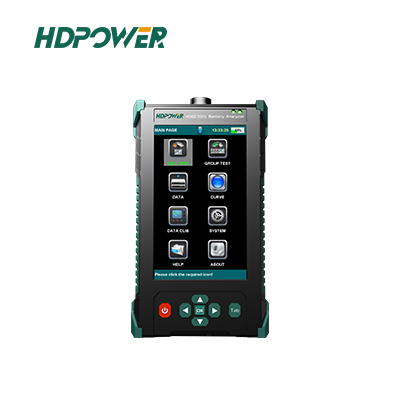
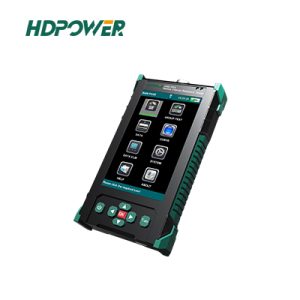
Before restoration begins, technicians should evaluate battery health using a Battery IR Tester. Internal resistance is one of the most reliable indicators of battery condition and helps identify batteries that are suitable for restoration.
- Intelligent Restoration
Professional restoration equipment applies activation and intelligent charging algorithms to reduce sulfation and improve charge acceptance.
- Charge and Discharge Cycling
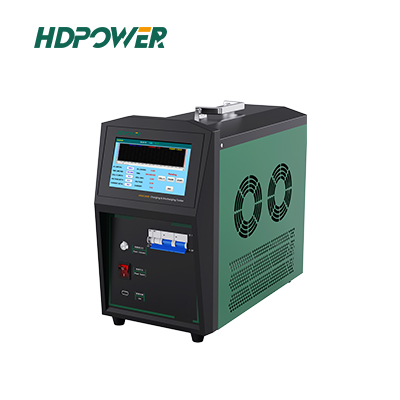
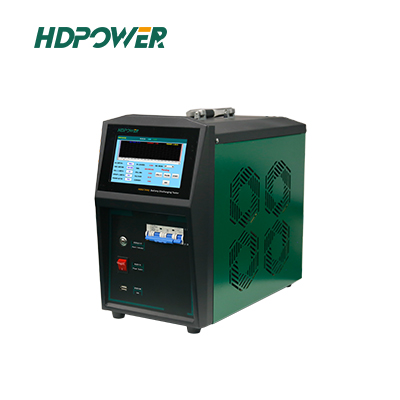
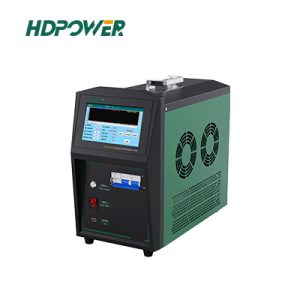
A programmable Battery Charge Discharge Tester performs controlled charging and discharging cycles to stabilize battery chemistry and accurately evaluate restoration performance. Compared with manual testing, automated cycling provides more consistent and repeatable results.
How to Verify Restoration Results
After restoration, battery performance should always be verified rather than assumed.
The most reliable method is capacity testing.
A professional Battery Capacity Tester measures the battery’s actual discharge capacity under controlled conditions, helping maintenance personnel determine whether restoration has successfully improved battery performance.
The table below summarizes the typical changes after restoration.
| Indicator | Before Restoration | After Restoration |
| Available Capacity | Low | Improved |
| Internal Resistance | High | Lower |
| Discharge Time | Short | Longer |
| Charge Acceptance | Poor | Better |
| Overall Performance | Unstable | More Stable |
Battery Restoration or Battery Replacement?
Not every battery should be replaced immediately.
Battery restoration is usually recommended when:
- The battery shows mild or moderate sulfation.
- Capacity has declined gradually.
- The battery has been stored for a long time.
- Internal resistance has increased but remains within a recoverable range.
- There is no serious physical damage.
Replacement is generally the better option if the battery has broken plates, internal short circuits, electrolyte leakage, or severe casing damage.
By testing batteries before making replacement decisions, organizations can significantly reduce maintenance costs while extending the useful life of healthy batteries.
Best Practices for Battery Maintenance
To maximize restoration effectiveness and extend battery life:
- Perform regular inspections.
- Avoid long-term undercharging.
- Prevent excessive deep discharge.
- Keep batteries within the recommended operating temperature.
- Clean battery terminals regularly.
- Conduct periodic capacity and internal resistance testing.
- Maintain detailed battery maintenance records.
A preventive maintenance program is far more cost-effective than replacing batteries only after unexpected failures occur.
Frequently Asked Questions
Can every lead-acid battery be restored?
No. Batteries with severe physical damage or internal short circuits usually cannot be restored economically.
How much capacity can be recovered?
The recovery depends on the battery’s condition. Batteries affected mainly by sulfation often recover a significant portion of their usable capacity after professional restoration.
Is battery restoration better than replacing batteries?
For batteries with reversible degradation, restoration is often much more economical than immediate replacement and helps reduce maintenance costs.
Which industries benefit from battery restoration?
Battery restoration is widely used in power utilities, telecommunications, UPS systems, renewable energy, rail transit, industrial facilities, and battery maintenance service companies.
Conclusion
Battery restoration is an effective maintenance strategy for extending the service life of lead-acid batteries and reducing operating costs.
By combining intelligent restoration equipment with professional testing procedures, maintenance teams can accurately evaluate battery condition, recover usable capacity, and improve system reliability.
Whether you manage UPS batteries, telecom backup systems, substations, or industrial battery banks, implementing a structured battery restoration program helps maximize battery performance while minimizing replacement expenses.
If you are looking for professional battery restoration equipment, HDPOWER provides intelligent solutions for battery activation, capacity testing, internal resistance measurement, and charge-discharge testing to support efficient and reliable battery maintenance.