Introduction: Why Battery Internal Resistance Testing Matters
Battery performance degradation is one of the biggest challenges faced by industries relying on backup power and energy storage systems. Whether used in UPS systems, telecommunications, renewable energy storage, data centers, or industrial power stations, batteries require regular inspection to ensure reliability and safety.
Among various battery testing methods, internal resistance measurement has become one of the most effective ways to evaluate battery condition. As batteries age, chemical reactions inside the cells change, causing increased internal resistance. This increase can lead to reduced capacity, poor discharge performance, overheating, and unexpected power failures.
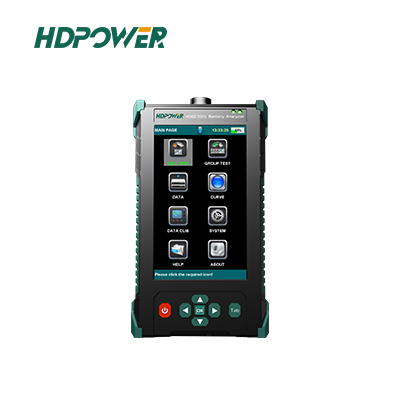
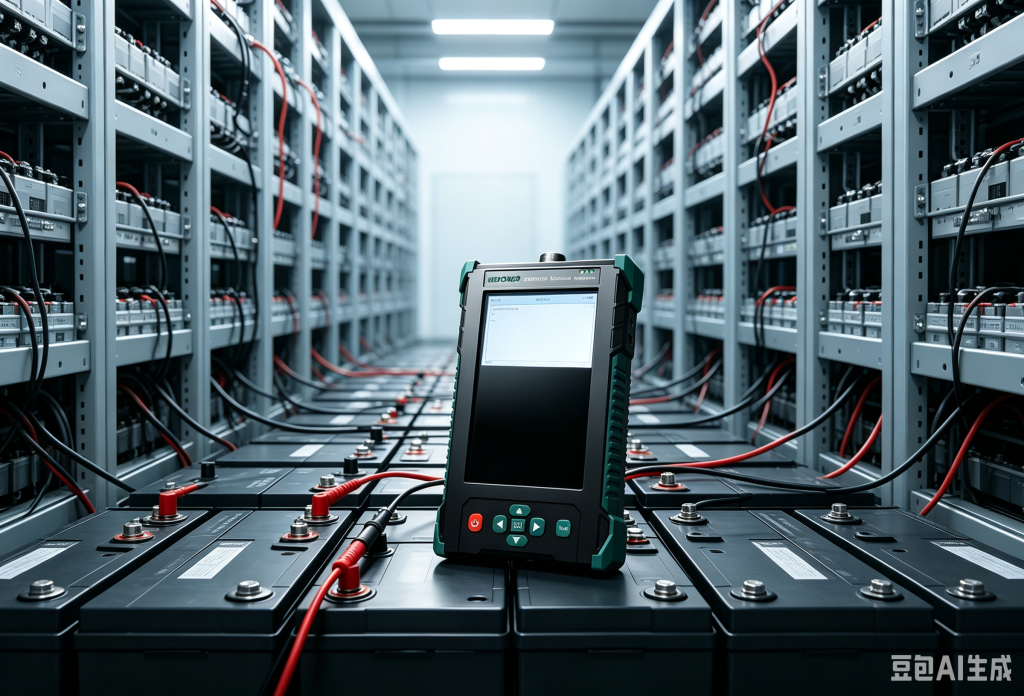
A professional Battery Internal Resistance Analyzer provides a fast and accurate method to identify battery aging trends, detect abnormal cells, and support preventive maintenance. By measuring internal resistance, voltage, and other electrical parameters, engineers can make data-driven decisions before battery failures occur.
What Is a Battery Internal Resistance Analyzer?
A Battery Internal Resistance Analyzer is a specialized testing device designed to measure the internal resistance of batteries and evaluate their health status. Unlike traditional voltage testing methods, which only show the surface condition of a battery, internal resistance analysis provides deeper insights into battery performance.
The internal resistance of a battery represents the opposition to current flow inside the battery. When a battery becomes aged or damaged, its internal resistance usually increases. By comparing resistance values among battery cells or battery strings, technicians can quickly identify weak batteries that may affect the entire system.
Modern battery analyzers are widely used for:
- Lead acid battery maintenance
- Lithium battery quality inspection
- UPS battery monitoring
- Telecom backup power systems
- Energy storage system maintenance
- Battery manufacturing quality control
With advanced measurement technology, a high-performance analyzer can complete testing quickly while providing reliable data for maintenance decisions.
How Does Internal Resistance Testing Help Evaluate Battery Health?
Battery voltage alone cannot fully represent battery condition. A battery may show normal voltage while having serious capacity loss or internal degradation.
Internal resistance measurement provides several important advantages:
- Early Detection of Battery Aging
As batteries go through charging and discharging cycles, internal components gradually deteriorate. Increased resistance is usually an early indicator of aging.
Regular resistance testing helps maintenance teams identify batteries approaching the end of their service life before unexpected failures happen.
- Identify Weak Batteries in Battery Strings
In large battery systems, multiple batteries are connected together. A single weak battery can reduce the performance of the entire battery bank.
By using a professional Battery IR Tester, technicians can compare resistance values between individual batteries and quickly locate abnormal units.
- Improve Maintenance Efficiency
Traditional battery inspection methods often require long discharge tests, which consume time and may interrupt system operation.
Internal resistance analysis provides a non-invasive testing method that allows technicians to evaluate battery condition without shutting down critical power systems.
Key Features of a Professional Battery Internal Resistance Analyzer
When selecting an industrial Battery Analyzer, several technical features should be considered.
High Measurement Accuracy
Accurate resistance measurement is essential because battery internal resistance values are usually very small. Professional equipment should provide stable measurements with high resolution to detect minor changes between battery cells.
Multiple Parameter Testing
A reliable analyzer should measure more than resistance. Important parameters often include:
- Battery voltage
- Internal resistance
- Connection status
- Testing records
- Battery health indicators
Combining multiple parameters allows engineers to understand overall battery performance.
Data Management and Analysis
For industrial applications, testing results need to be recorded and analyzed over time. Advanced battery analyzers support data storage, report generation, and comparison functions, helping maintenance teams track battery aging trends.
Battery Internal Resistance Tester for Industrial Battery Maintenance
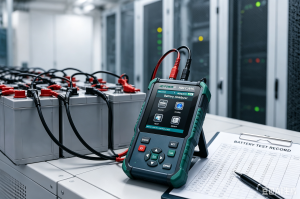
For professional applications, a dedicated Battery Internal Resistance Tester offers a more efficient solution compared with manual measurement methods.
These testers are commonly used in:
- UPS rooms
- Substations
- Communication base stations
- Railway power systems
- Industrial facilities
- Energy storage plants
A handheld or portable tester allows engineers to perform on-site inspections quickly. With accurate resistance measurement and intelligent analysis functions, technicians can evaluate battery conditions without removing batteries from service.
For large-scale battery management, combining internal resistance testing with regular maintenance schedules can significantly reduce unexpected downtime and improve system reliability.
Internal Resistance Testing Compared With Other Battery Testing Methods
Battery health evaluation usually involves several testing methods. Each method has different advantages depending on the application.
Internal Resistance Test
Internal resistance testing is fast and suitable for routine condition monitoring. It helps identify battery degradation at an early stage.
Capacity Testing
Capacity testing measures how much energy a battery can actually deliver during discharge. It is an important method for verifying battery performance.
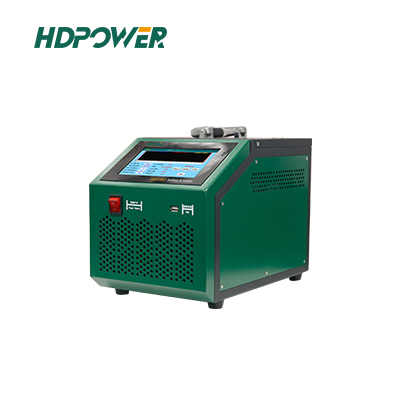
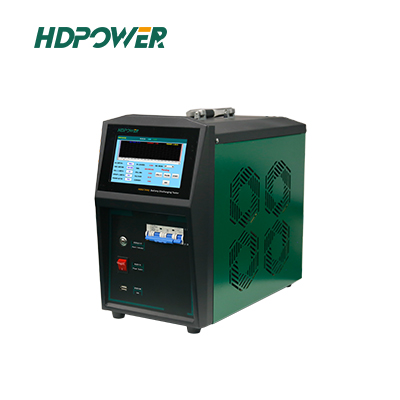
A Battery Capacity Tester is commonly used when users need to confirm actual battery capacity after maintenance, repair, or production testing.
Load Testing
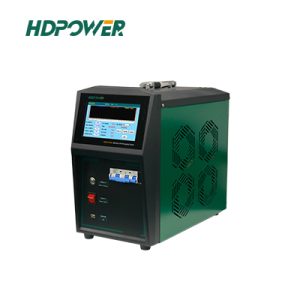
Load testing evaluates battery performance under simulated operating conditions. It helps verify whether a battery can provide sufficient power during real-world operation.
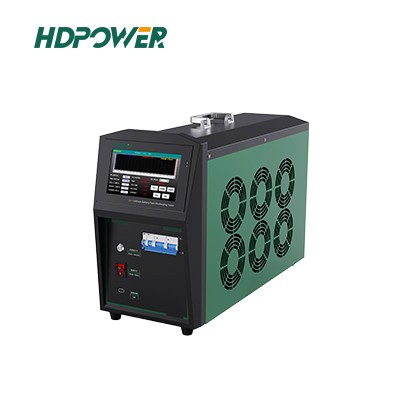
A professional Battery Load Tester is often used for backup power systems, automotive batteries, and industrial battery inspection.
Combining these testing methods provides a more complete understanding of battery health.
Applications of Battery Internal Resistance Analysis
UPS Battery Systems
UPS systems require reliable batteries to provide uninterrupted power during outages. Regular internal resistance testing helps identify weak batteries before they cause system failures.
Telecommunications Infrastructure
Communication networks depend on backup batteries for continuous operation. Internal resistance monitoring allows operators to maintain battery banks efficiently.
Energy Storage Systems
With the rapid growth of renewable energy storage, battery reliability has become increasingly important. Internal resistance analysis helps operators monitor battery aging and optimize maintenance strategies.
Battery Manufacturing and Quality Control
Battery manufacturers use resistance testing during production to verify cell consistency and ensure product quality.
How to Choose the Right Battery Internal Resistance Analyzer?
Before purchasing a battery analyzer, consider the following factors:
Measurement Range
Different battery types require different measurement ranges. Ensure the analyzer supports the voltage and resistance range of your battery system.
Application Environment
Portable testers are suitable for field maintenance, while advanced systems may be preferred for laboratories and production lines.
Data Analysis Functions
For enterprise users, data recording, report export, and battery condition analysis functions can greatly improve maintenance efficiency.
Conclusion: Improve Battery Reliability With Accurate Internal Resistance Analysis
Battery failures often develop gradually, and early detection is the key to preventing unexpected downtime. Internal resistance measurement provides a reliable method to evaluate battery health, identify weak cells, and optimize maintenance strategies.
A professional Battery Internal Resistance Analyzer helps industries improve battery management efficiency by providing fast, accurate, and non-invasive testing.
For UPS systems, telecom networks, energy storage applications, and industrial power solutions, investing in advanced battery testing equipment can extend battery service life, reduce maintenance costs, and ensure continuous power availability.