Introduction
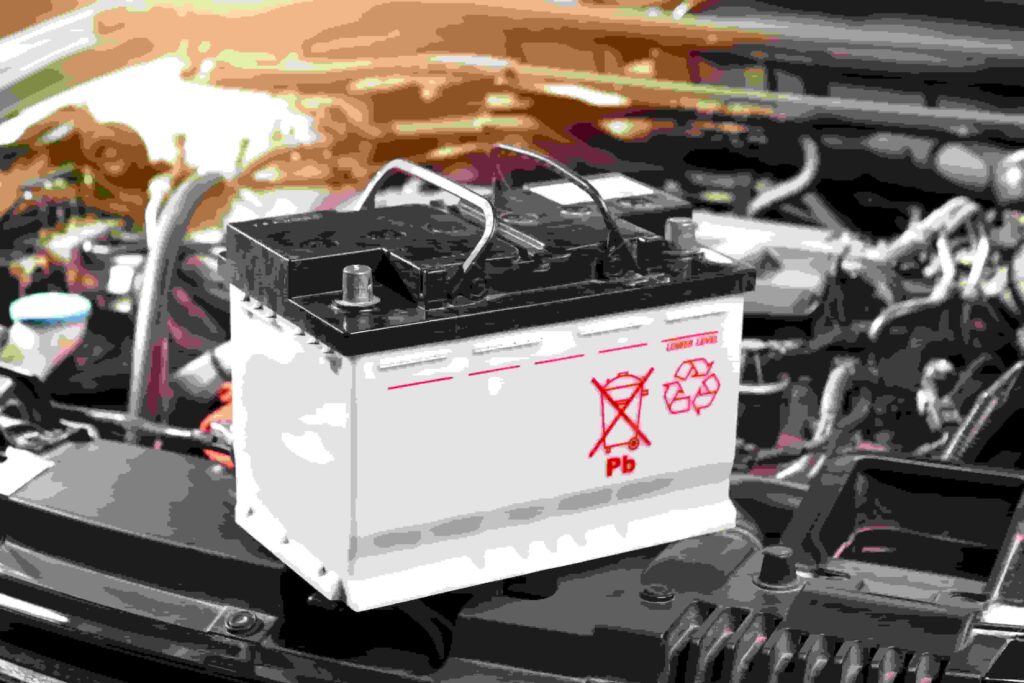
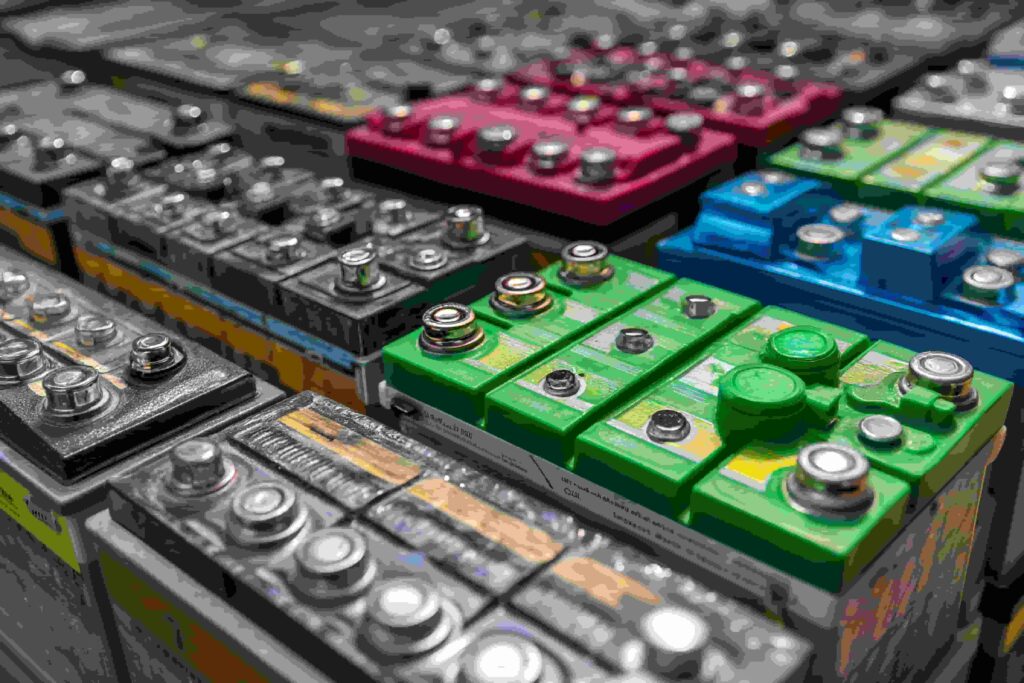
Rechargeable batteries are widely used in backup power systems, industrial equipment, telecommunications infrastructure, and automotive applications. Over time, these batteries inevitably experience performance degradation, including reduced capacity, unstable voltage behavior, and shortened service life. In many cases, this decline is not caused by mechanical damage, but by electrochemical changes occurring inside the battery.
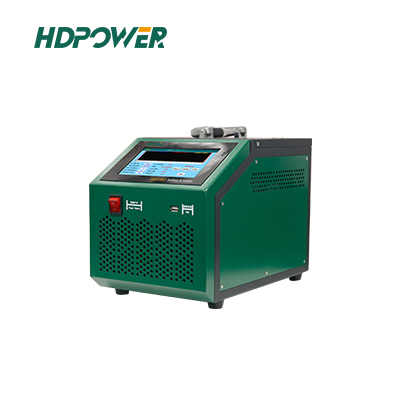
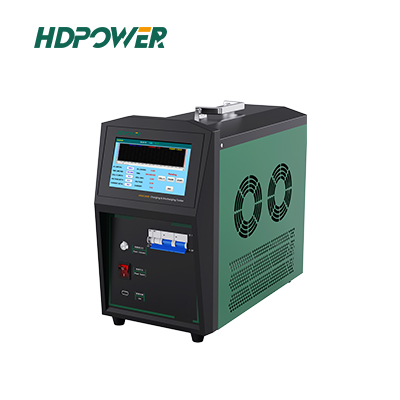
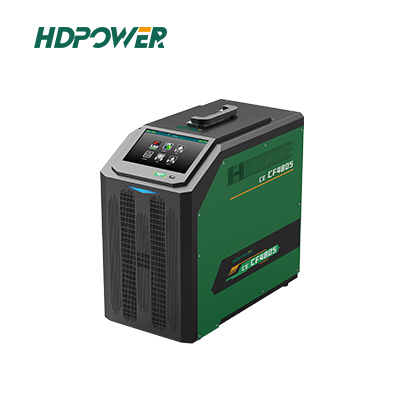
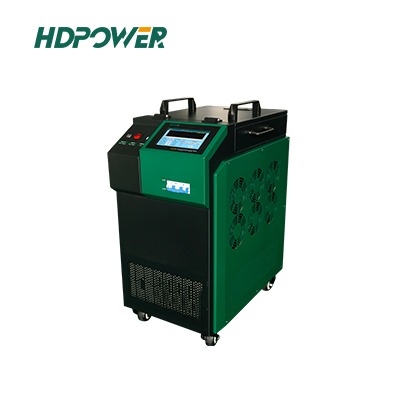
A Battery Extender is a specialized battery maintenance and restoration device developed to address this type of degradation. Rather than functioning as a simple charger, it is designed to recover electrochemical activity, restore usable capacity, and extend the operational life of batteries that have become underperforming due to aging or improper usage.
Why Batteries Lose Usable Capacity
In lead-acid battery systems, one of the most common causes of capacity loss is sulfation. During normal charge and discharge processes, lead sulfate forms on the surface of the battery plates. Under proper operating conditions, this compound is reversible and can be converted back into active material during charging.
However, when batteries are frequently undercharged, deeply discharged, or left idle for extended periods, lead sulfate can crystallize and adhere tightly to the plate surfaces. These hardened crystals reduce the effective reaction area, increase internal resistance, and prevent the battery from accepting or delivering charge efficiently. As sulfation progresses, the battery exhibits weak discharge capability, poor charging response, and reduced runtime.
What Is a Battery Extender
A Battery Extender is a standalone battery restoration device designed to reverse performance degradation caused by sulfation and inactive electrochemical materials. It operates independently as a maintenance tool and is applied externally to batteries that have already shown signs of capacity decline.
In engineering practice, this type of device is often referred to as a Battery Activator, a term that emphasizes its role in reactivating electrochemical processes rather than merely supplying charging current.
Battery Activator
Within this context, Battery Extender serves as a functional description focused on life extension and performance recovery, while Battery Activator describes the underlying activation mechanism used to achieve that goal.
Core Working Principles of a Battery Extender
A Battery Extender operates using a combination of high-frequency signals, low operating voltage, and high current output. This electrical profile allows the device to interact directly with the electrochemical structure of the battery plates.
By applying directional current, the device breaks down lead sulfate crystals that are tightly bonded to the plate surfaces. These crystals are converted back into active lead ions, allowing them to participate again in normal charge–discharge reactions. As electrochemical activity is restored, the battery gradually regains its ability to accept charge and deliver usable energy.
This process does not involve chemical additives or mechanical intervention. Instead, it relies on controlled electrical stimulation to reverse electrochemical inactivity.
Integrated Functions: Discharge, Charge, and Cycling
A defining feature of a Battery Extender is the integration of multiple operating modes into a single system. Rather than performing a single corrective action, the device combines:
● Constant current discharge
● Intelligent charging
● Repeated charge–discharge cycling
Constant current discharge helps expose inactive regions of the battery plates. Intelligent charging adapts current delivery to the battery’s response, avoiding excessive stress. Repeated cycling reinforces these effects by gradually reactivating electrochemical materials through deep charge–discharge processes.
Together, these functions enable systematic restoration rather than superficial charging.
How a Battery Extender Restores Battery Performance
Battery restoration using a Battery Extender is a progressive process. As sulfation is reduced and inactive material is reactivated, internal resistance decreases and charge acceptance improves. Voltage behavior during discharge becomes more stable, and usable capacity increases.
In many cases, batteries that previously failed capacity or discharge tests can return to acceptable operating condition. While the device cannot repair physically damaged plates or reverse extreme aging, it is highly effective for batteries suffering from sulfation-related degradation.
Typical Applications of Battery Extenders
Battery Extenders are widely used in backup power systems where reliability is critical and battery replacement costs are high. Telecommunications base stations, UPS installations, and emergency power systems commonly use battery extension techniques as part of preventive maintenance programs.
In industrial environments, Battery Extenders support maintenance of stationary batteries used for control systems and safety equipment. They are also used in automotive and industrial aftermarket scenarios for battery refurbishment and service-life extension.
Across these applications, the Battery Extender provides a cost-effective alternative to premature battery replacement.
Engineering Considerations and Best Practices
Effective use of a Battery Extender requires proper parameter selection based on battery type, capacity, and condition. Excessive current or overly aggressive cycling should be avoided to prevent thermal stress.
Performance recovery should always be evaluated through objective testing methods such as capacity measurement and discharge analysis rather than visual inspection alone. Battery Extenders are most effective when incorporated into structured maintenance strategies rather than used as one-time corrective tools.
Conclusion
A Battery Extender is a dedicated battery maintenance and restoration device designed to extend service life by reactivating electrochemical processes rather than simply recharging the battery. Through high-frequency, low-voltage, high-current operation combined with controlled discharge, intelligent charging, and repeated cycling, it reduces sulfation and restores usable capacity.
In engineering terms, the Battery Extender performs the function commonly described as battery activation, making it an essential tool for maintaining reliability, reducing lifecycle cost, and improving sustainability in battery-supported power systems. Understanding how a Battery Extender works enables informed decisions in battery maintenance, refurbishment, and long-term system management.