Introduction
Industrial lead-acid batteries continue to play a vital role in telecommunications infrastructure, substations, manufacturing plants, transportation systems, and UPS backup installations. Although lithium technologies are expanding, lead-acid batteries remain widely deployed due to their predictable behavior, cost efficiency, and established safety record.
However, premature capacity degradation remains a persistent operational challenge. In many cases, batteries are replaced not because of mechanical failure, but because of declining discharge capability and reduced runtime. A Battery Life Enhancer is specifically developed to address this issue by restoring electrochemical activity and extending usable service life through controlled electrical activation.
Why Industrial Lead-Acid Batteries Degrade
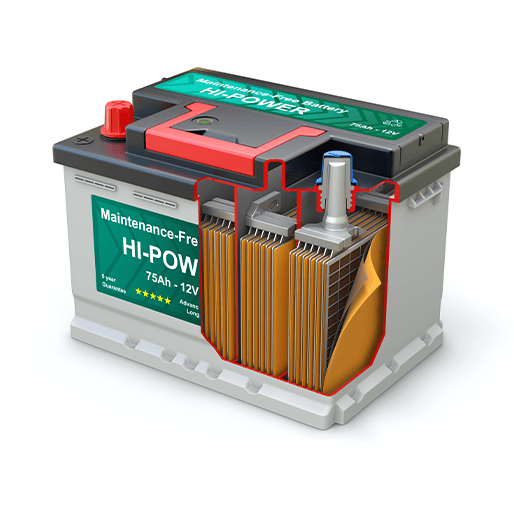
Lead-acid batteries rely on reversible electrochemical reactions between lead dioxide, sponge lead, and sulfuric acid electrolyte. During discharge, lead sulfate forms on the plates; during charging, it is normally converted back into active materials.
When batteries operate under suboptimal conditions—such as chronic undercharging, frequent deep discharge, long idle storage, or improper float voltage—lead sulfate can harden into stable crystalline structures. This process, known as sulfation, reduces the effective reaction surface area and increases internal resistance.
As sulfation progresses:
● Charge acceptance declines
● Internal resistance rises
● Discharge voltage drops earlier
● Usable capacity decreases
For industrial systems where uptime is critical, these effects can compromise reliability long before the battery reaches its theoretical end of life.
What Is a Battery Life Enhancer
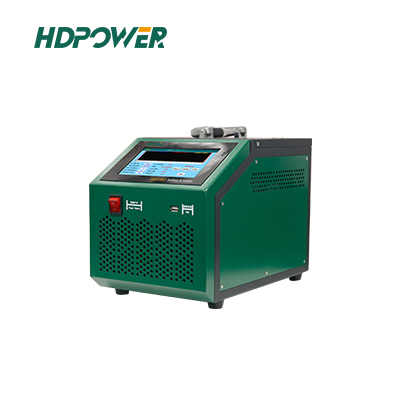
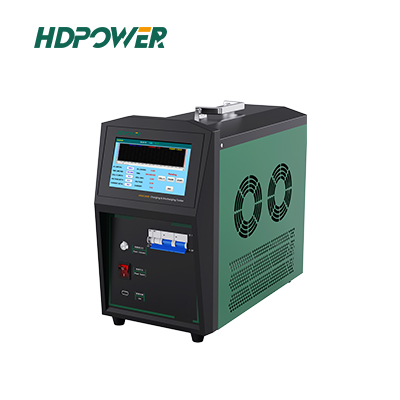
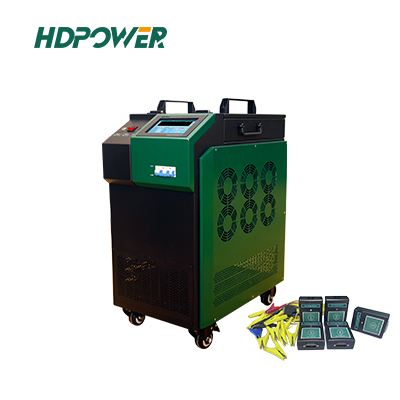
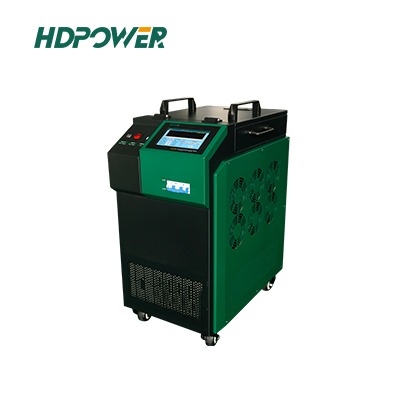
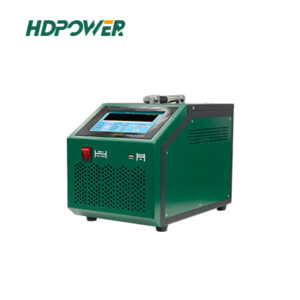
A Battery Life Enhancer is a dedicated maintenance and restoration device engineered to reverse sulfation-related degradation in industrial lead-acid batteries. Unlike a standard charger, its objective is not simply energy replenishment, but electrochemical recovery.
In practical engineering terminology, this type of equipment is often referred to as a
Battery Activator, emphasizing its role in reactivating inactive materials within the battery plates. While “Battery Life Enhancer” highlights the functional goal of extending lifespan, “Battery Activator” describes the underlying activation mechanism that makes this extension possible.
The device operates externally and independently, applying controlled electrical stimulation to restore battery performance without altering the battery’s physical structure.
Core Working Principles
The effectiveness of a Battery Life Enhancer is based on three coordinated technical mechanisms.
High-Frequency Electrical Stimulation
High-frequency characteristics help penetrate crystalline sulfate layers adhered to plate surfaces. These electrical signals assist in breaking down hardened sulfate into electrochemically active forms.
Low Voltage, High Current Operation
Low operating voltage ensures safety and prevents excessive heating. High current output delivers sufficient energy to stimulate electrochemical reactions within the plates while maintaining structural integrity.
Directed Current Regulation
Through controlled directional current, the device facilitates the reconversion of lead sulfate back into active lead ions. As sulfation is reduced, active surface area increases and internal resistance decreases.
This process relies entirely on regulated electrical interaction and does not require chemical additives.
Integrated Charge–Discharge Cycling
A Battery Life Enhancer integrates multiple operational modes into a single restoration process:
- Constant current discharge
- Intelligent charging
- Repeated charge–discharge cycling
Constant current discharge exposes weakened or heavily sulfated regions of the plates. Intelligent charging adapts to voltage response to prevent overcharging. Repeated cycling reinforces material reactivation through controlled deep discharge and recharge sequences.
This integrated approach enables systematic electrochemical restoration rather than superficial charging.
Measurable Performance Improvements
When applied under appropriate conditions, a Battery Life Enhancer can deliver observable recovery effects:
● Reduced internal resistance
● Improved charge acceptance
● More stable discharge voltage profile
● Increased usable runtime
● More consistent performance across battery strings
Although it cannot repair physical plate shedding or extreme structural damage, it is highly effective for sulfation-driven degradation.
In industrial maintenance programs, batteries previously considered end-of-life due to failed capacity tests can often regain operational viability following structured activation cycles.
Industrial Applications
Battery Life Enhancers are widely used in environments where battery reliability directly impacts system continuity.
UPS and Data Centers
Backup batteries must deliver rated performance during power outages. Performance restoration reduces the risk of unexpected runtime failure and delays capital-intensive replacement projects.
Telecommunications Infrastructure
Remote base stations depend on dependable DC backup systems. Activation maintenance improves resilience in areas with unstable power supply.
Substations and Utility Systems
Protection relays and control systems rely on stable battery banks. Life extension technology enhances long-term system integrity.
Industrial Manufacturing
Process control and safety systems require dependable backup energy. Preventive activation reduces the risk of unplanned downtime.
Economic and Sustainability Impact
Replacing industrial battery banks represents a substantial capital expense. Beyond hardware costs, labor, disposal, and operational disruption must be considered.
By incorporating a Battery Life Enhancer into preventive maintenance strategies, operators can:
● Extend service life
● Reduce premature replacement cycles
● Lower lifecycle cost per delivered kWh
● Decrease environmental waste
In many industrial settings, structured restoration programs provide significant return on investment compared to immediate replacement.
Conclusion
A Battery Life Enhancer is a specialized restoration system designed to extend the lifespan of industrial lead-acid batteries by addressing sulfation and electrochemical inactivity. Through high-frequency stimulation, controlled discharge, intelligent charging, and repeated cycling, it restores usable capacity and improves operational reliability.
For industrial energy systems where uptime, cost control, and sustainability are essential, battery life enhancement technology provides a technically sound and economically rational solution to long-term battery management.