Introduction
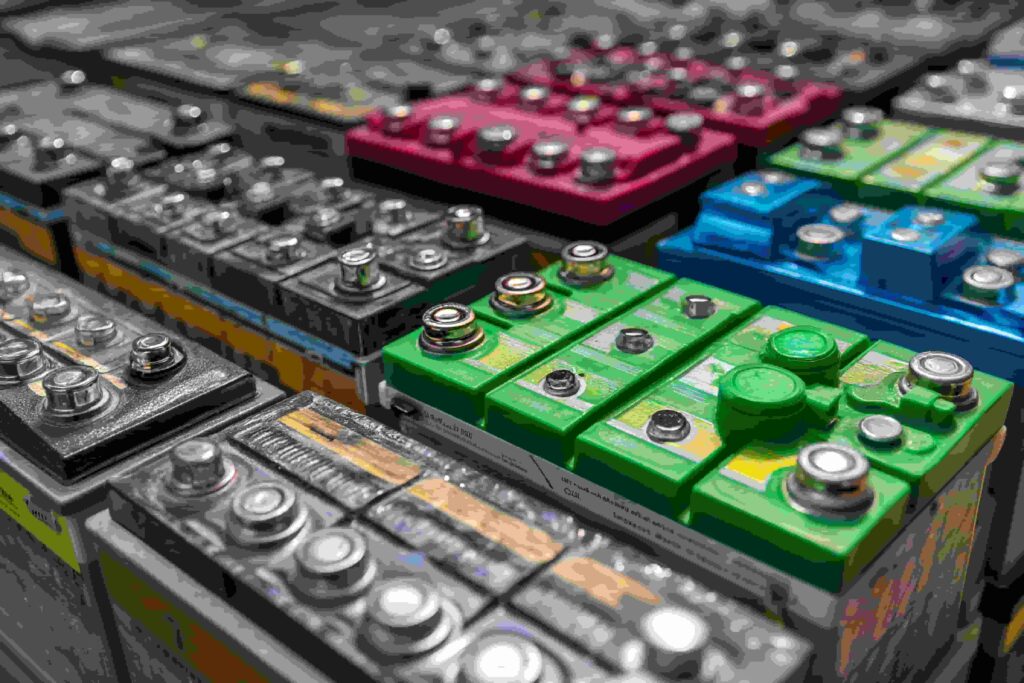
Lead-acid batteries are still widely used in UPS systems, telecommunications, substations, data centers, railway systems, and other backup power applications. However, even a reliable lead-acid battery can gradually lose its usable capacity because of sulfation, undercharging, repeated deep discharge, long-term storage, or other operating conditions.
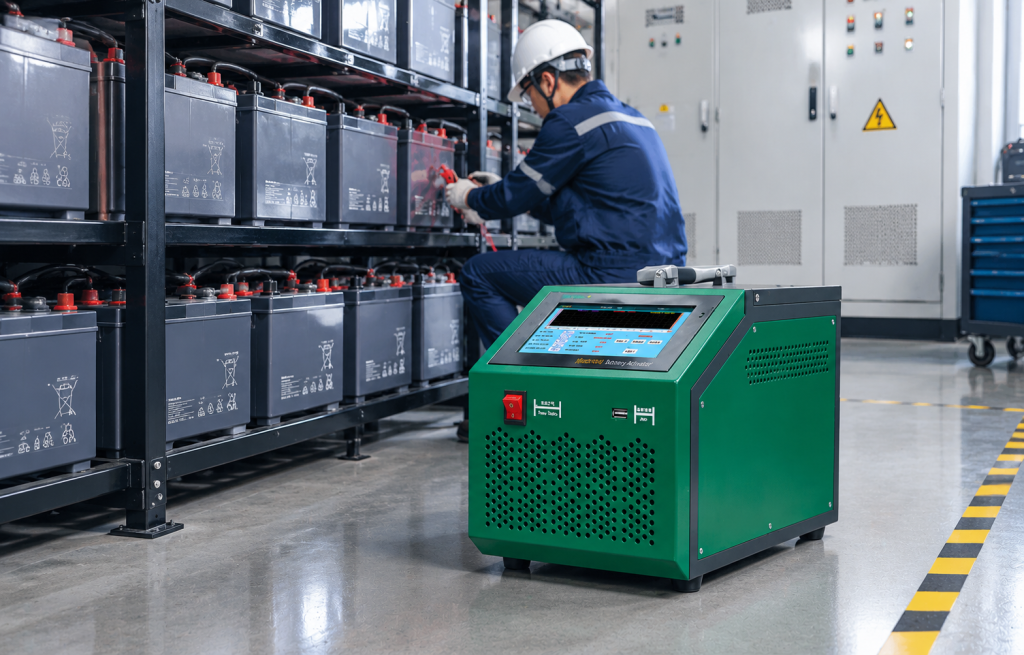
When an aging battery begins to show reduced capacity or poor discharge performance, immediate replacement may not always be the first option. A Battery Activation Machine can provide a controlled way to evaluate, charge, discharge, and activate suitable lead-acid batteries as part of a professional maintenance program.
The key is not simply to “repair” an old battery. Effective battery maintenance requires testing the battery first, applying an appropriate activation process, and verifying its performance afterward.
What Is a Battery Activation Machine?
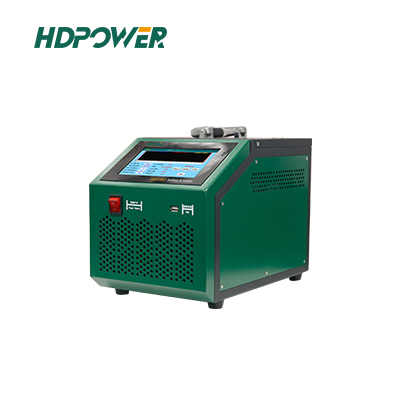
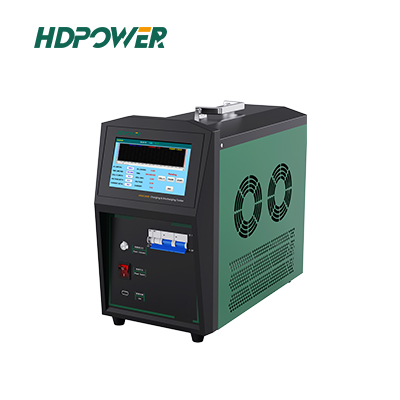
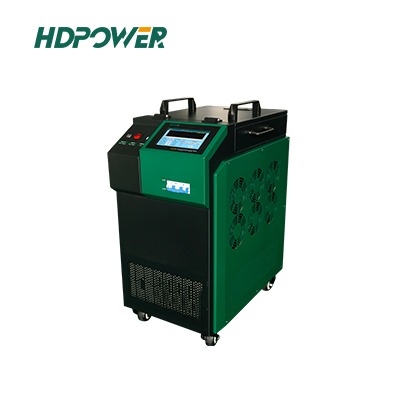
A Battery Activation Machine is specialized equipment used to support the maintenance and performance recovery of lead-acid batteries through controlled charging, discharging, and activation cycles.
Unlike a conventional battery charger, which primarily replenishes electrical energy, activation equipment can combine several maintenance functions. Depending on the model, these may include constant-current discharge, intelligent charging, cyclic charge-discharge operation, capacity measurement, data recording, and protection functions.
For batteries affected by certain types of degradation, controlled activation may help improve usable performance. However, activation is not a universal solution for every failed battery. Batteries with severe physical damage, leakage, shorted cells, or other irreversible failures may still require replacement.
This makes diagnosis and performance verification essential parts of the activation process.
Why Do Lead-Acid Batteries Lose Capacity?
Understanding battery degradation helps technicians determine whether activation is appropriate.
Sulfation
Sulfation is one of the major problems associated with lead-acid battery aging. During normal discharge, lead sulfate forms on the battery plates. Under suitable charging conditions, much of this material can be converted back during recharge.
However, prolonged undercharging, partial-state-of-charge operation, or extended storage can contribute to the formation of harder sulfate deposits. These deposits can reduce effective active material and contribute to higher internal resistance and reduced battery performance.
For suitable sulfated batteries, activation and controlled charge-discharge cycling may help improve electrochemical utilization.
Undercharging and Improper Charging
A battery that is repeatedly undercharged may gradually lose performance. Incorrect charging voltage, insufficient charging time, or unsuitable charging conditions can also accelerate degradation.
This is particularly important for stationary batteries that spend most of their service life in standby or float-charge conditions.
Repeated Deep Discharge
Frequent deep discharge can place additional stress on lead-acid batteries. If the battery is not properly recharged afterward, its condition can deteriorate further.
For this reason, battery maintenance should include both charging and discharge performance evaluation rather than relying only on terminal voltage.
How Does a Battery Activation Machine Work?
A professional activation process normally follows several stages.
- Initial Battery Assessment
Before activation, technicians should determine the battery’s existing condition.
Typical measurements include:
- Battery voltage
- Charging current
- Discharge current
- Internal resistance
- Capacity
- Charging behavior
- Discharge performance
- Battery temperature
The initial results provide a baseline for comparison after activation.
A Lead Acid Battery Tester can be used during the diagnostic stage to identify batteries that require further testing or maintenance.
- Controlled Charging
The battery is charged according to an appropriate charging profile.
Controlled charging is important because simply applying a higher current does not necessarily improve battery condition. Excessive charging can increase heat generation and may create additional stress depending on battery type and operating conditions.
- Controlled Discharging
A controlled discharge provides useful information about the battery’s actual performance under load.
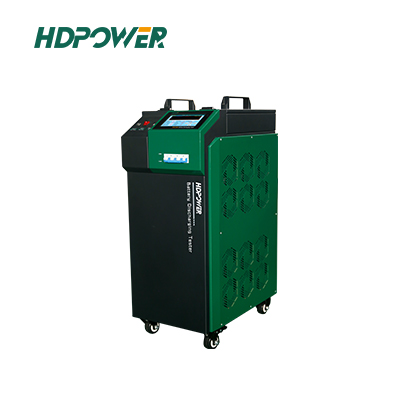
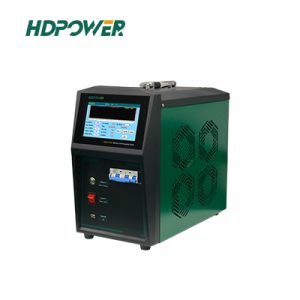
This is where a Battery Discharge Tester becomes particularly valuable. Instead of judging battery health from open-circuit voltage alone, technicians can monitor voltage behavior, discharge current, discharge time, and available capacity.
- Activation and Cycling
If the battery is considered suitable for activation, controlled activation or repeated charge-discharge cycles can be performed.
The purpose is to encourage more effective utilization of the battery’s active material and improve performance where the degradation mechanism is potentially recoverable.
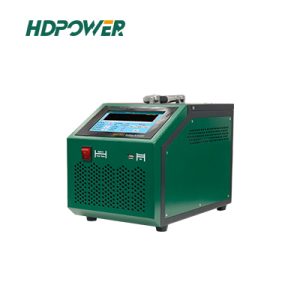
HDPOWER’s Lead Acid Battery Activator, for example HDGC3932, combines activation with constant-current discharge, intelligent charging, and cyclic charge-discharge functions for 2V, 6V, and 12V lead-acid batteries.
- Performance Verification
The activation process should always be followed by testing.
A battery should not be considered recovered simply because its voltage reaches a normal level after charging. The more meaningful question is whether it can provide the required performance under controlled discharge conditions.
Comparing pre-activation and post-activation results provides a more objective basis for maintenance decisions.
Battery Activation vs. Conventional Charging
Battery activation and conventional charging serve different purposes.
A conventional charger is primarily designed to replenish energy in a battery.
A Battery Activation Machine can support a broader maintenance workflow that may include:
Testing → Charging → Activation → Discharging → Capacity Verification
This distinction matters because a battery can reach its normal charging voltage while still having insufficient usable capacity.
For industrial backup power systems, the ability to measure performance before and after maintenance is therefore more valuable than simply confirming that the battery can accept a charge.
Why Charge and Discharge Testing Matters
Activation should be combined with appropriate testing whenever possible.
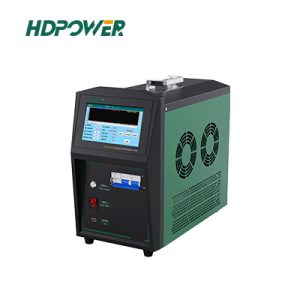
A Battery Charge Discharge Tester can help technicians evaluate charging and discharging behavior under controlled conditions. This provides useful information about how the battery responds to different operating stages.
After activation, capacity verification becomes especially important.
A Battery Capacity Tester can help determine whether the battery can deliver the required usable capacity during a defined discharge test. Comparing the results before and after activation makes it easier to determine whether the maintenance procedure has produced a meaningful improvement.
A practical maintenance workflow is:
Initial Test → Activation → Recharge → Discharge Test → Capacity Comparison → Maintenance Decision
This approach reduces the risk of keeping a weak battery in service simply because its voltage appears normal.
Where Are Battery Activation Machines Used?
UPS Systems
UPS batteries must be ready to provide backup power when the main power supply fails. A battery may appear normal during standby operation but still have insufficient capacity during an actual outage.
Activation and performance testing can therefore form part of a preventive UPS battery maintenance program.
Telecommunications
Telecom base stations often rely on stationary battery systems for backup DC power. Regular testing can help identify weak batteries before they affect system availability.
Activation equipment can be used alongside testing equipment to evaluate whether degraded batteries are suitable for further maintenance.
Power Utilities and Substations
Substation DC systems depend on reliable stationary batteries for protection, control, and emergency power functions.
For these applications, maintenance teams need measurable data rather than assumptions based only on battery age or voltage.
Data Centers and Industrial Facilities
Data centers and industrial sites often operate large battery banks where unexpected battery failure can result in costly downtime.
A structured activation and testing program can help maintenance teams identify battery degradation earlier and make more informed repair, reuse, or replacement decisions.
How to Choose Battery Activation Equipment
When selecting activation equipment, consider the following factors.
Battery Voltage Range
Make sure the equipment supports the battery voltage you need to maintain. Equipment for individual 2V, 6V, or 12V batteries may be different from equipment designed for larger battery systems.
Charging and Discharging Current
The current range should match the battery capacity and intended maintenance procedure.
Activation Functions
Check whether the equipment supports programmable activation cycles, charging, discharging, and other maintenance functions required by your application.
Measurement Accuracy
Accurate voltage and current measurement is important when comparing battery condition before and after activation.
Data Recording and Reporting
For industrial maintenance, stored test data and automatically generated reports can improve traceability and make it easier to monitor battery performance over time.
HDPOWER’s battery testing product range includes battery activators, discharging testers, capacity testers, and charge-discharge testing equipment, allowing different maintenance functions to be combined into a broader battery maintenance workflow.
When Should a Battery Be Activated or Replaced?
Not every aging battery should be activated.
Activation may be worth considering when testing indicates performance degradation that may be recoverable, particularly in batteries affected by conditions associated with sulfation or insufficient cycling.
Replacement may be more appropriate when the battery has:
- Severe physical damage
- Leakage
- Shorted cells
- Severe corrosion
- Irreversible capacity loss
- Other conditions that make continued operation unreliable
The best decision should therefore be based on measured battery condition rather than age alone.
HDPOWER Battery Activation Machine for Lead-Acid Battery Maintenance
HDPOWER provides professional battery activation and testing equipment for lead-acid battery maintenance applications.
The HDGC3932 Battery Activator supports 2V, 6V, and 12V batteries and integrates activation, charging, and discharging functions. It supports discharge and charge currents up to 100A for 2V batteries, with lower maximum currents for 6V and 12V batteries. The equipment also provides data recording, analysis software, protection functions, and report generation for maintenance applications.
For larger battery-system applications, HDPOWER also provides battery pack charging, discharging, and activation solutions covering applications such as UPS, telecommunications, power utilities, rail transit, and data centers.
By combining activation with charging, discharging, and performance verification, maintenance teams can move beyond simple battery charging and establish a more systematic approach to battery condition assessment.
Final Takeaway
A Battery Activation Machine is most effective when it is treated as part of a complete battery maintenance process rather than as a standalone repair device.
The recommended approach is simple:
Test the battery first. Activate suitable batteries. Recharge and discharge under controlled conditions. Verify capacity afterward. Then decide whether to reuse, continue maintaining, or replace the battery.
For UPS systems, telecom networks, substations, data centers, and other critical-power applications, this combination of activation and testing can help maintenance teams make decisions based on measurable battery performance and improve the traceability of battery maintenance work.