Introduction
Battery charge discharge equipment is widely used to evaluate the capacity, discharge performance, and condition of lead-acid batteries. It is commonly used for UPS systems, telecommunications, substations, data centers, industrial backup power, and other applications where batteries must provide reliable power during an outage.
A simple voltage measurement can show whether a battery has voltage, but it cannot fully demonstrate how much capacity the battery can actually deliver under load. Controlled charging and discharging provide more useful performance data and allow maintenance teams to compare battery condition over time.
For lead-acid battery maintenance, the right equipment should match the battery voltage, capacity, discharge current, test duration, and application requirements. A professional testing solution can combine charging, controlled discharge, measurement, data recording, and reporting to make battery maintenance more efficient and traceable.
What Is Battery Charge Discharge Equipment?
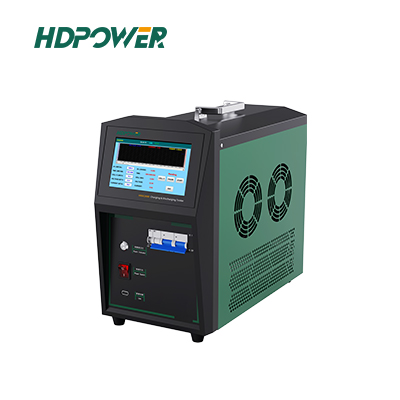
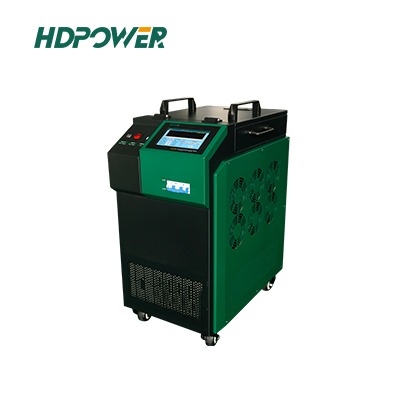
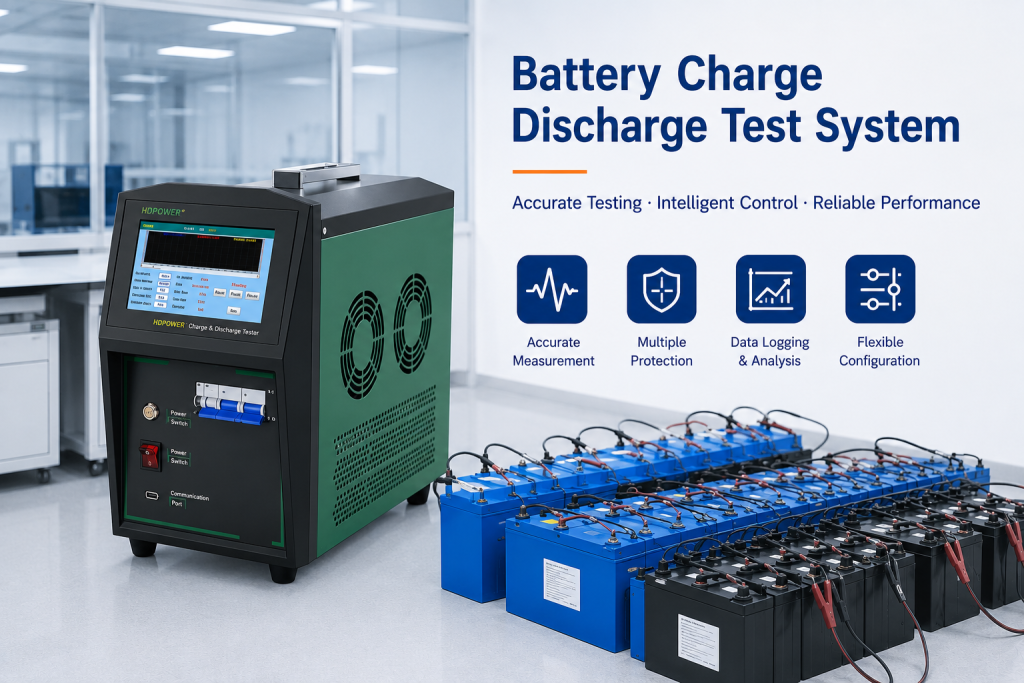
Battery charge discharge equipment is designed to control and monitor the charging and discharging process of a battery.
During charging, the equipment supplies controlled electrical energy to the battery. During discharge, it applies a specified load and continuously measures parameters such as voltage, current, discharge time, and capacity.
A professional Battery Charge Discharge Tester can therefore do much more than simply charge a battery. It can provide controlled test conditions and record the battery’s performance throughout the test.
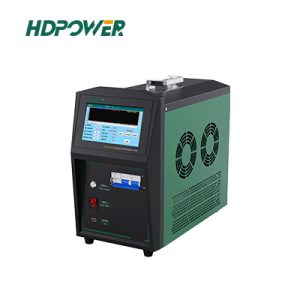
Depending on the model, battery charge discharge equipment may support:
- Constant-current charging
- Constant-voltage charging
- Constant-current discharge
- Constant-power discharge
- Battery capacity testing
- Charge/discharge cycle testing
- Voltage and current monitoring
- Automatic test termination
- Test data recording
- Data export and report generation
The available functions and electrical ranges vary between different models, so the equipment should always be selected according to the battery specifications and intended application.
Why Test Lead-Acid Batteries Through Charge and Discharge?
Lead-acid batteries are often used as standby power sources. They may remain on float charge for long periods and only need to supply significant power when the primary power source fails.
As a result, a battery can show a normal voltage while its actual capacity has already declined.
Controlled discharge testing helps maintenance teams answer a more important question:
Can the battery actually deliver the required power for the required period?
Verify Battery Capacity
Capacity is one of the key parameters used to evaluate a lead-acid battery.
During a controlled discharge, the equipment records battery performance until the specified test endpoint is reached. The measured result can then be compared with the battery’s rated capacity or previous test results.
This provides useful information for determining whether a battery continues to meet the requirements of the backup power system.
Identify Weak Batteries
During discharge, battery voltage can be monitored to identify abnormal behavior.
If one battery in a string shows a significantly different voltage response from the others, technicians can investigate it further.
This can help maintenance personnel identify potential weak batteries before they cause problems during an actual power outage.
Track Battery Degradation
Battery performance changes over time.
By keeping historical test records, maintenance teams can compare capacity, discharge time, voltage, and other parameters from different testing periods.
This makes it possible to identify performance trends and support more informed maintenance and replacement decisions.
IEEE 450-2020 provides recommended practices for the maintenance, testing, analysis, and replacement of stationary vented lead-acid batteries used in standby applications. (IEEE)
How Does Battery Charge Discharge Equipment Work?
The basic testing process normally includes charging, controlled discharge, measurement, and data analysis.
- Confirm Battery Specifications
Before testing, technicians should confirm the battery type, rated voltage, capacity, number of cells, connection configuration, and applicable test requirements.
The test parameters should be selected according to the battery manufacturer’s specifications and the requirements of the application.
- Charge the Battery
The battery should be charged according to the selected testing procedure before a capacity or discharge test.
A suitable Battery Charger And Discharger can provide controlled charging and help prepare the battery for subsequent testing.
- Apply a Controlled Discharge
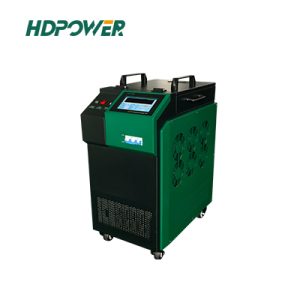
During discharge, the equipment applies a defined load to the battery.
The system continuously records parameters such as:
- Battery voltage
- Discharge current
- Discharge power
- Discharge time
- Capacity
- Individual battery or cell voltage
For formal capacity testing, the discharge current, duration, and end voltage should follow the applicable testing procedure rather than being selected arbitrarily.
- Analyze the Results
After the test, technicians can compare the measured results with rated values or historical data.
This can help determine whether the battery requires further investigation, maintenance, or replacement.
Battery Load Tester for Lead-Acid Battery Discharge Testing
A Battery Load Tester is particularly important for lead-acid battery maintenance because it applies an electrical load and evaluates the battery’s response under controlled discharge conditions.
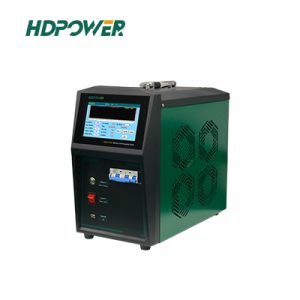
For UPS, telecom, power system, and industrial applications, load testing can provide practical information about how the battery performs when electrical demand is applied.
Depending on the equipment design, a Battery Load Tester may support controlled constant-current or constant-power discharge, voltage monitoring, capacity calculation, automatic test termination, and test data recording.
This makes the Battery Load Tester an important tool for:
- UPS battery capacity testing
- Telecom battery maintenance
- Substation battery testing
- Data center backup battery testing
- Industrial battery maintenance
- Stationary lead-acid battery evaluation
For applications where both charging and discharging are required, a dedicated charge/discharge tester can provide a more integrated solution.
Battery Load Tester vs. Battery Analyzer
Battery discharge testing is not the only method used to evaluate lead-acid batteries.
A Battery Analyzer can provide additional information such as battery voltage and internal resistance or impedance, depending on the instrument.
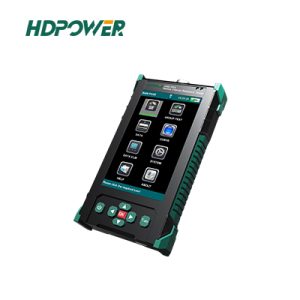
These measurements are useful for quickly screening batteries and identifying units that may require further investigation.
However, internal resistance testing and discharge testing provide different types of information.
A practical battery maintenance program may therefore combine:
Voltage measurement + internal resistance analysis + controlled discharge testing + historical data
This provides a broader view of battery condition than relying on one measurement alone.
Lead-Acid Battery Testing Applications
UPS Battery Testing
UPS systems depend on batteries to provide backup power when utility power is interrupted.
A degraded battery may still show normal voltage but fail to provide the required backup capacity.
Regular charge/discharge testing can help maintenance teams evaluate battery performance and identify weak batteries.
Telecom Battery Testing
Telecommunication systems often use stationary lead-acid battery banks as backup power.
Battery charge discharge equipment can be used to verify battery performance and support scheduled maintenance at telecom sites.
For large installations, automatic data recording and report generation can also simplify maintenance documentation.
Substation and Power System Batteries
Substations use battery systems to support control, protection, and emergency functions.
Because battery failure can affect critical electrical equipment, regular testing and condition monitoring are important parts of battery maintenance.
A controlled discharge test can provide useful information about the actual performance of the battery system.
Data Center Battery Testing
Data centers require reliable backup power for servers, networking equipment, storage systems, and other critical infrastructure.
Battery discharge testing can help verify whether the installed battery system can provide the required backup performance.
How to Choose Battery Charge Discharge Equipment
Before purchasing equipment, technical teams should evaluate several important specifications.
Voltage Range
The equipment must cover the nominal and maximum voltage of the battery or battery string.
Discharge Current and Power
The required discharge current depends on battery capacity and the selected test method.
For large UPS or industrial battery banks, both current and power ratings should be considered.
Charging Functions
If charging is required, verify that the equipment supports the appropriate charging mode and parameters for the target lead-acid battery.
Measurement Accuracy
Accurate voltage and current measurements are important for capacity and energy calculations.
Data Management
Professional battery testing equipment should ideally support automatic data recording, historical storage, data export, and test report generation.
Safety Protection
Depending on the equipment, protection functions may include overvoltage, overcurrent, overtemperature, reverse connection, and abnormal-condition protection.
The specific protection functions should always be checked against the manufacturer’s technical specifications.
Common Mistakes in Lead-Acid Battery Testing
Relying Only on Voltage
Voltage measurement is useful, but it does not provide the same information as a controlled discharge test.
Using Incorrect Test Parameters
Discharge current, test duration, and end voltage should be determined according to the battery specifications and applicable testing procedure.
Ignoring Historical Data
A single test provides only a snapshot of battery condition. Periodic testing and comparison with previous results can provide much more useful information.
Testing Without Considering System Availability
Before performing a discharge test on a critical backup battery system, maintenance personnel should evaluate system availability, safety requirements, and backup arrangements.
Conclusion
Battery charge discharge equipment is an important solution for evaluating lead-acid battery capacity, discharge performance, and long-term condition.
For UPS, telecommunications, substations, data centers, and industrial backup power systems, controlled charge and discharge testing can provide valuable information that cannot be obtained from a simple voltage measurement.
A Battery Load Tester is particularly useful for controlled battery discharge and capacity testing, while a Battery Charge Discharge Tester can provide integrated charging and discharging functions. A Battery Analyzer can complement discharge testing by providing additional battery condition information, while a Lead Acid Battery Tester can support broader lead-acid battery evaluation.
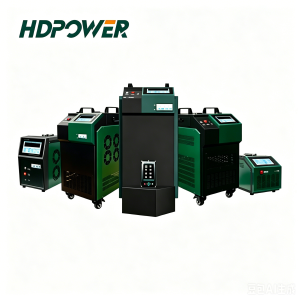
When selecting equipment, consider battery voltage, capacity, discharge current, power, charging requirements, measurement accuracy, data management, and safety protection.
With the right battery charge discharge equipment and a consistent maintenance program, users can better monitor battery performance, identify degradation, and make more informed maintenance and replacement decisions.