Introduction
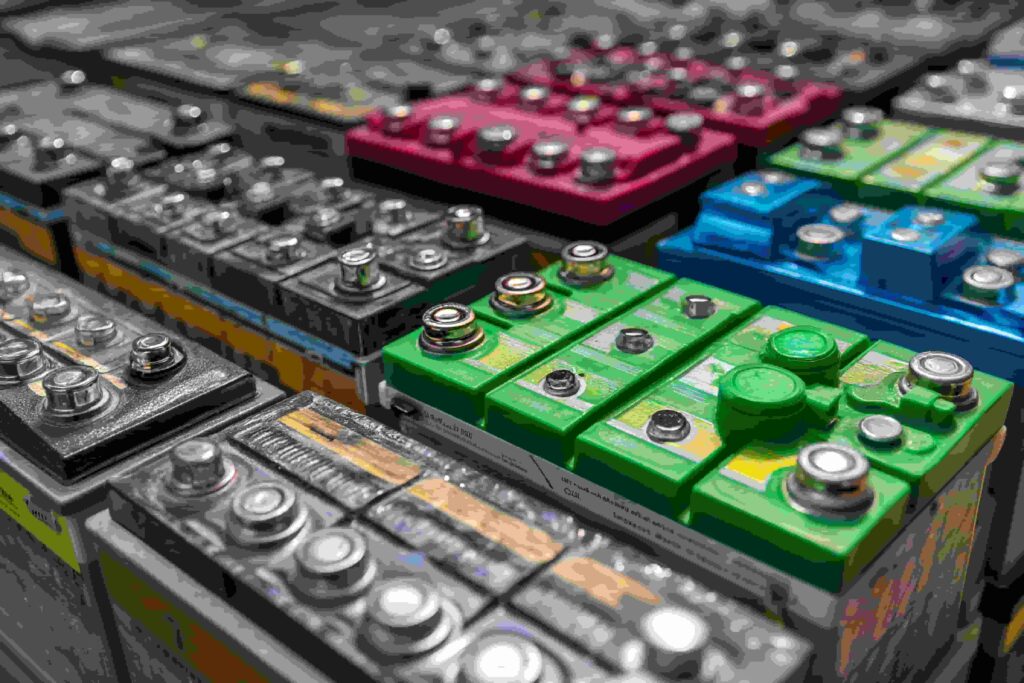
As battery-powered technologies continue to expand across energy storage, electric vehicles, telecommunications, UPS systems, and industrial applications, ensuring battery reliability has become more critical than ever. A Battery Charge Discharge Test System is one of the most essential tools for evaluating battery capacity, cycle life, charging efficiency, and overall health.
Whether you are a battery manufacturer, EV service provider, research laboratory, or energy storage operator, selecting the right testing system can significantly improve product quality, reduce maintenance costs, and extend battery service life.
What Is a Battery Charge Discharge Test System?
A Battery Charge Discharge Test System is professional testing equipment designed to simulate real charging and discharging conditions while recording critical battery parameters throughout the entire process.
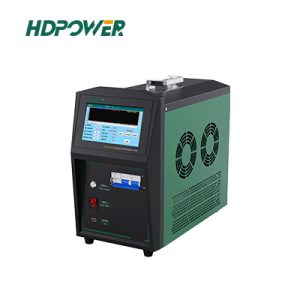
Unlike a conventional charger, this system precisely controls charging and discharging profiles, automatically collects performance data, and generates comprehensive testing reports. It supports multiple battery chemistries, including:
- Lithium-ion batteries
- LiFePO4 batteries
- NMC batteries
- Lead-acid batteries
- Nickel-based batteries
These systems are widely used for battery development, production quality control, preventive maintenance, and battery recycling.
Why Is Battery Charge Discharge Testing Important?
Battery performance naturally degrades over time due to repeated charge-discharge cycles, environmental conditions, and aging.
Without professional testing, organizations may experience:
- Unexpected battery failures
- Reduced energy storage efficiency
- Inaccurate State of Health (SOH) estimation
- Increased maintenance costs
- Safety risks caused by degraded battery packs
A professional Battery Charge Discharge Test System accurately measures actual battery capacity instead of relying solely on voltage readings, helping maintenance engineers make informed decisions before failures occur.
Key Functions of a Battery Charge Discharge Test System
Modern testing systems integrate multiple intelligent testing modes to provide comprehensive battery diagnostics.
Constant Current and Constant Voltage Charging
The system supports programmable CC and CV charging modes for different battery chemistries while protecting batteries from overcharging.
Constant Current and Constant Power Discharge
Users can perform discharge testing under constant current or constant power conditions to evaluate actual battery capacity under real operating loads.
Capacity Testing
Capacity testing determines whether a battery still meets its rated specifications by comparing measured ampere-hour (Ah) capacity with its nominal value.
Cycle Life Evaluation
Repeated charge-discharge cycles help engineers analyze battery aging characteristics and predict service life.
Data Recording and Report Generation
Professional systems automatically record:
- Voltage
- Current
- Capacity
- Energy
- Internal resistance (optional)
- Charging efficiency
- Temperature (with optional sensors)
The exported reports simplify quality analysis and maintenance documentation.
Applications Across Multiple Industries
A Battery Charge Discharge Test System serves numerous industries where battery reliability directly impacts operational safety.
Energy Storage Systems
Large-scale ESS installations require periodic battery capacity verification to maintain system efficiency and maximize return on investment.
Electric Vehicle Manufacturing
EV manufacturers use charge-discharge testing during production to verify battery pack consistency before vehicles leave the factory.
Battery Recycling
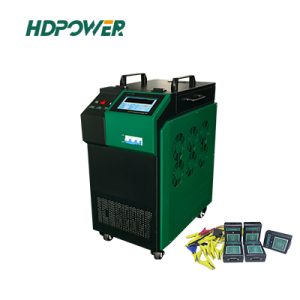
Before dismantling battery packs, controlled discharge ensures safe voltage reduction. Many recycling facilities also integrate a professional Charge Discharge Machine into their battery pretreatment process to improve operational safety and efficiency.
Telecommunications
Backup batteries supporting communication base stations require regular discharge testing to guarantee emergency power availability.
UPS and Data Centers
Critical backup power systems rely on periodic battery testing to minimize downtime and prevent unexpected failures.
Features to Look for in a Battery Charge Discharge Test System
When choosing professional battery testing equipment, consider the following features.
Wide Voltage Range
A broad voltage range allows testing of individual cells, battery modules, and complete battery packs using one system.
High Current Accuracy
Accurate current control ensures reliable capacity measurement and repeatable testing results.
Intelligent Software
Modern software enables:
- Automatic test programming
- Real-time monitoring
- Data visualization
- Historical record management
- Automatic report generation
- Multiple Protection Functions
Professional equipment includes protections against:
- Over-voltage
- Over-current
- Reverse polarity
- Over-temperature
- Short circuit
- Modular Design
Expandable channels increase productivity for battery manufacturers and laboratories handling multiple batteries simultaneously.
Integrated Battery Maintenance Solutions
Many industrial users combine a Battery Charge Discharge Test System with additional maintenance equipment to achieve comprehensive battery management.
For example, a Battery Activator can help reduce sulfation in lead-acid batteries during maintenance, improving battery recovery before capacity testing.
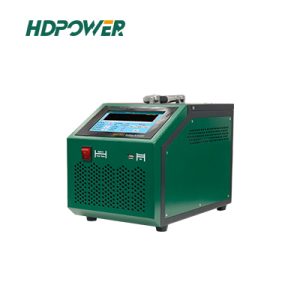
Similarly, a professional Battery Equalizer is often used to balance voltage differences between battery cells, improving consistency and extending battery pack lifespan before conducting charge-discharge tests.
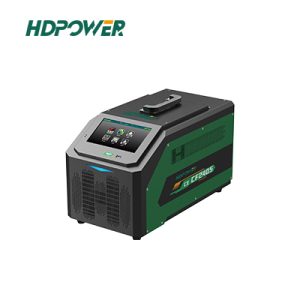
By integrating these complementary technologies, maintenance teams can improve testing accuracy while maximizing battery service life.
Benefits for Manufacturers and Maintenance Teams
Investing in a professional Battery Charge Discharge Test System provides measurable operational advantages.
Improve Product Quality
Manufacturers can identify defective batteries before shipment, reducing warranty claims and customer complaints.
Extend Battery Service Life
Routine testing helps detect weak batteries early, allowing preventive maintenance instead of costly replacements.
Reduce Maintenance Costs
Accurate diagnostics prevent unnecessary battery replacement and minimize downtime.
Increase Operational Safety
Controlled testing reduces the risks associated with degraded or damaged batteries.
Support Data-Driven Decisions
Detailed testing reports help engineers optimize battery management strategies and maintenance schedules.
How to Choose the Right Battery Charge Discharge Test System
When selecting a testing solution, evaluate:
- Battery chemistry compatibility
- Voltage and current range
- Channel quantity
- Automation level
- Software functionality
- Data export capabilities
- Safety protections
- After-sales technical support
- Calibration accuracy
- Future scalability
Choosing equipment based solely on price may lead to limited functionality and higher long-term operating costs.
Why Choose HDPOWER Battery Charge Discharge Test Systems?
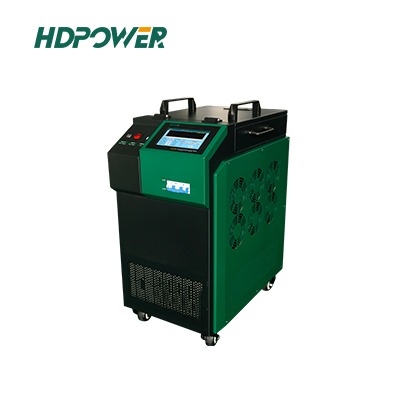
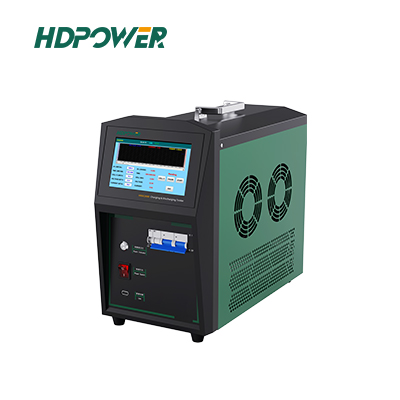
HDPOWER specializes in advanced battery testing solutions for industrial and commercial applications. Our Battery Charge Discharge Test System is engineered to deliver reliable, repeatable, and highly accurate performance across a wide range of battery technologies.
Key Advantages
- High-precision charge and discharge control
- Wide voltage and current coverage
- Support for lithium-ion, LiFePO4, NMC, and lead-acid batteries
- Intelligent software with real-time monitoring
- Automatic data recording and report generation
- Comprehensive safety protection system
- Flexible configuration for laboratory and production environments
- Reliable technical support and OEM/ODM services
Whether you are testing battery cells, modules, or complete battery packs, HDPOWER provides dependable solutions that improve testing efficiency and reduce maintenance costs.
Frequently Asked Questions
What is the purpose of a Battery Charge Discharge Test System?
It evaluates battery capacity, charging performance, discharge characteristics, cycle life, and overall battery health under controlled conditions.
How often should batteries be tested?
The testing frequency depends on the application. Critical backup power systems typically undergo scheduled capacity testing annually or semi-annually, while production facilities may perform testing on every battery during manufacturing.
Is charge-discharge testing safe?
Yes. Professional systems incorporate multiple safety protections, including over-voltage, over-current, reverse polarity, and over-temperature protection, ensuring safe operation throughout the testing process.
Conclusion
A professional Battery Charge Discharge Test System is far more than a charging device—it is a comprehensive solution for evaluating battery performance, improving maintenance efficiency, and ensuring long-term operational reliability.
By integrating accurate testing, intelligent software, and advanced safety features, organizations can reduce operational risks, optimize battery life, and lower total ownership costs. When paired with complementary solutions such as a Charge Discharge Machine, a Battery Activator, and a Battery Equalizer, businesses can build a complete battery maintenance workflow that maximizes both performance and return on investment.
For manufacturers, maintenance providers, and energy storage operators seeking reliable battery diagnostics, investing in a high-quality Battery Charge Discharge Test System is a strategic decision that delivers lasting value.