Introduction
Modern power systems depend on reliable batteries to ensure uninterrupted operation. Whether in substations, telecommunications, data centers, renewable energy storage systems, or industrial backup power applications, battery performance directly affects system reliability.
A Battery Discharge Checker is one of the most effective tools for evaluating battery condition under real operating loads. Unlike a simple voltage measurement, a discharge test reveals the battery’s actual capacity, identifies aging cells, and helps maintenance teams make informed replacement decisions before failures occur.
In this guide, you’ll learn how a Battery Discharge Checker works, why discharge testing is essential, and how to choose the right solution for professional battery maintenance.
What Is a Battery Discharge Checker?
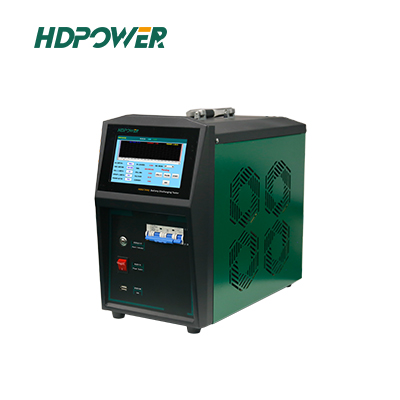
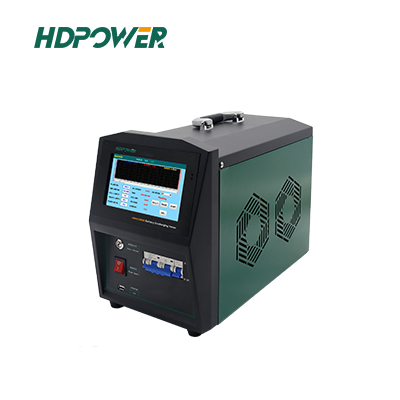
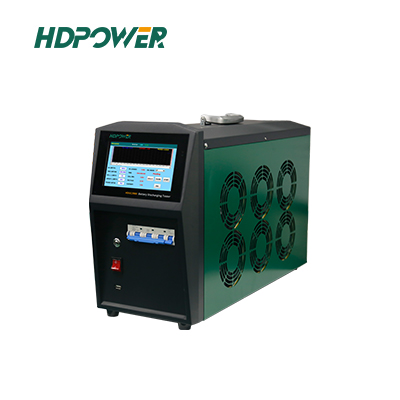
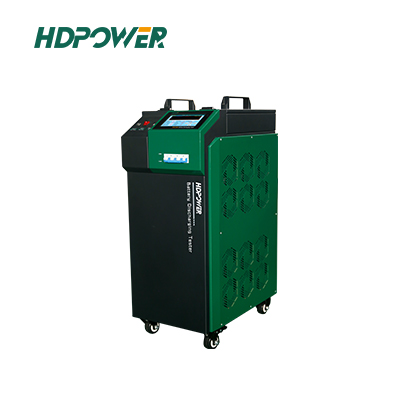
A Battery Discharge Checker is a professional instrument designed to discharge batteries under controlled conditions while recording key operating parameters such as:
- Battery voltage
- Discharge current
- Battery capacity (Ah)
- Discharge time
- Terminal voltage
- Temperature (optional)
- Performance trend
By simulating real operating conditions, the equipment measures the actual usable capacity of a battery rather than simply estimating its condition.
Compared with conventional multimeters or voltage testers, a Battery Discharge Checker provides significantly more accurate information about battery health.
Why Is Battery Discharge Testing Important?
Many batteries appear normal when fully charged but fail during actual power outages because they cannot sustain the required load.
A professional Battery Discharge Checker helps identify:
- Capacity loss
- Aging batteries
- Sulfated lead-acid batteries
- Weak battery strings
- Voltage imbalance
- Unexpected discharge failures
Routine discharge testing prevents unplanned downtime and extends the overall reliability of critical power systems.
For applications requiring controlled load simulation, many maintenance teams also integrate a Battery Load Bank into their maintenance workflow to verify system performance under real operating conditions.
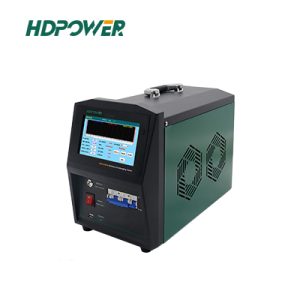
How Does a Battery Discharge Checker Work?
A Battery Discharge Checker applies a programmable load to the battery while continuously monitoring its electrical characteristics.
The testing process generally includes:
Step 1 – Battery Connection
Connect the tester to the battery or battery bank.
Step 2 – Parameter Configuration
Operators configure:
- Discharge current
- Cut-off voltage
- Test duration
- Capacity target
- Battery type
Step 3 – Controlled Discharge
The system performs constant current or constant power discharge while recording all operating parameters.
Step 4 – Data Collection
Real-time monitoring includes:
- Voltage curve
- Current curve
- Capacity calculation
- Discharge efficiency
- Remaining capacity
Step 5 – Automatic Report Generation
Professional Battery Discharge Checkers automatically generate:
- Test reports
- Capacity analysis
- Historical records
- Trend charts
- Maintenance recommendations
Key Features of a Professional Battery Discharge Checker
Industrial battery maintenance requires more than basic testing.
A high-quality Battery Discharge Checker typically offers:
High Accuracy
Accurate current control ensures reliable capacity calculations.
Programmable Discharge Modes
Support for:
- Constant Current (CC)
- Constant Power (CP)
- Multi-stage discharge
Wide Voltage Range
Suitable for:
- Single batteries
- Battery strings
- High-voltage battery systems
Intelligent Protection
Built-in protection includes:
- Over-voltage
- Reverse polarity
- Over-current
- Over-temperature
- Emergency shutdown
Real-Time Data Logging
Continuous monitoring improves maintenance accuracy and simplifies report generation.
Applications of Battery Discharge Checkers
Battery Discharge Checkers are widely used across numerous industries.
Power Utilities
Routine maintenance of substation DC systems.
Telecommunications
Capacity verification of backup battery banks.
UPS Systems
Ensure emergency power remains available during outages.
Data Centers
Prevent costly downtime caused by battery failures.
Renewable Energy Storage
Evaluate ESS battery performance after long-term operation.
Industrial Manufacturing
Quality inspection during battery production and maintenance.
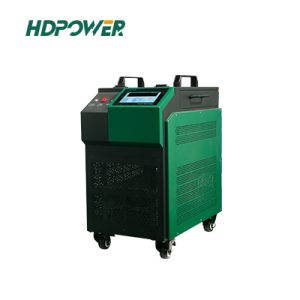
In many preventive maintenance programs, discharge testing is performed together with a Battery Charge Tester to evaluate both charging efficiency and discharge performance throughout the battery life cycle.
Benefits of Using a Battery Discharge Checker
Professional discharge testing provides several advantages.
Accurate Capacity Verification
Know the battery’s true remaining capacity.
Reduced Maintenance Costs
Replace only batteries that actually require replacement.
Improved System Reliability
Prevent unexpected battery failures.
Faster Maintenance
Automated testing reduces manual inspection time.
Better Asset Management
Historical data supports lifecycle planning and predictive maintenance.
Choosing the Right Battery Discharge Checker
Selecting the correct equipment depends on several important factors.
Consider:
Battery Type
Support for:
- Lead-acid batteries
- AGM batteries
- Gel batteries
- Lithium batteries
Voltage Range
Choose equipment compatible with your battery system voltage.
Current Capacity
Higher current capability enables faster testing of larger battery banks.
Data Management
Look for:
- USB export
- PC software
- Cloud storage
- Automatic reporting
Safety Features
Industrial-grade protection significantly improves testing safety.
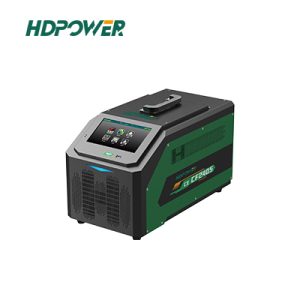
For battery systems containing multiple cells, combining a Battery Discharge Checker with a Battery Equalizer can further improve maintenance efficiency by minimizing voltage differences between cells before and after testing.
Why Industrial Users Prefer Professional Battery Discharge Checkers
Compared with portable consumer testers, industrial Battery Discharge Checkers provide:
- Higher discharge power
- Better measurement accuracy
- Continuous heavy-duty operation
- Large battery bank support
- Automatic report generation
- Intelligent safety protection
- Long-term reliability
These features make them suitable for mission-critical industries where battery reliability is essential.
Future Trends in Battery Discharge Testing
Battery testing technology continues to evolve.
Future Battery Discharge Checkers increasingly incorporate:
- AI-assisted diagnostics
- Cloud-based data management
- Remote monitoring
- Predictive maintenance
- Automatic health assessment
- Integrated battery analytics
These intelligent features help maintenance teams identify potential battery failures before they affect system operation.
Frequently Asked Questions
What is a Battery Discharge Checker?
A Battery Discharge Checker is a professional device used to evaluate battery performance by discharging the battery under controlled conditions while measuring voltage, current, and capacity.
Can a Battery Discharge Checker measure battery capacity?
Yes. Controlled discharge testing is one of the most accurate methods for determining actual battery capacity.
Which batteries can be tested?
Professional Battery Discharge Checkers support:
- Lead-acid batteries
- AGM batteries
- Gel batteries
- Lithium-ion batteries
- LiFePO₄ batteries
- Battery banks
depending on the equipment specifications.
How often should batteries be discharge tested?
Critical power systems are commonly tested every 6 to 12 months, depending on industry standards and maintenance schedules.
Conclusion
A Battery Discharge Checker is an indispensable tool for ensuring battery reliability, optimizing maintenance efficiency, and extending battery service life. By accurately measuring real discharge performance rather than relying solely on voltage readings, it enables maintenance professionals to detect hidden battery issues before they lead to costly failures.
Whether you maintain substations, telecommunications networks, UPS systems, data centers, or renewable energy storage installations, investing in a professional Battery Discharge Checker provides accurate capacity verification, intelligent reporting, and long-term operational confidence. When integrated with complementary equipment such as Battery Load Bank, Battery Charge Tester, and Battery Equalizer, organizations can establish a comprehensive battery maintenance strategy that improves system reliability while reducing lifecycle costs.