Introduction
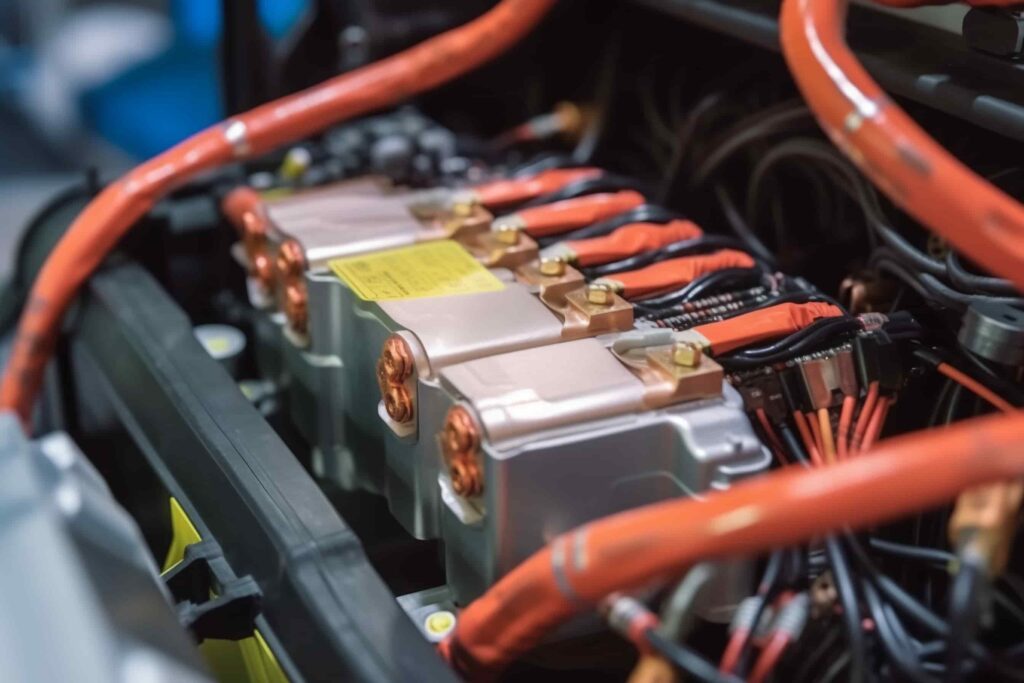
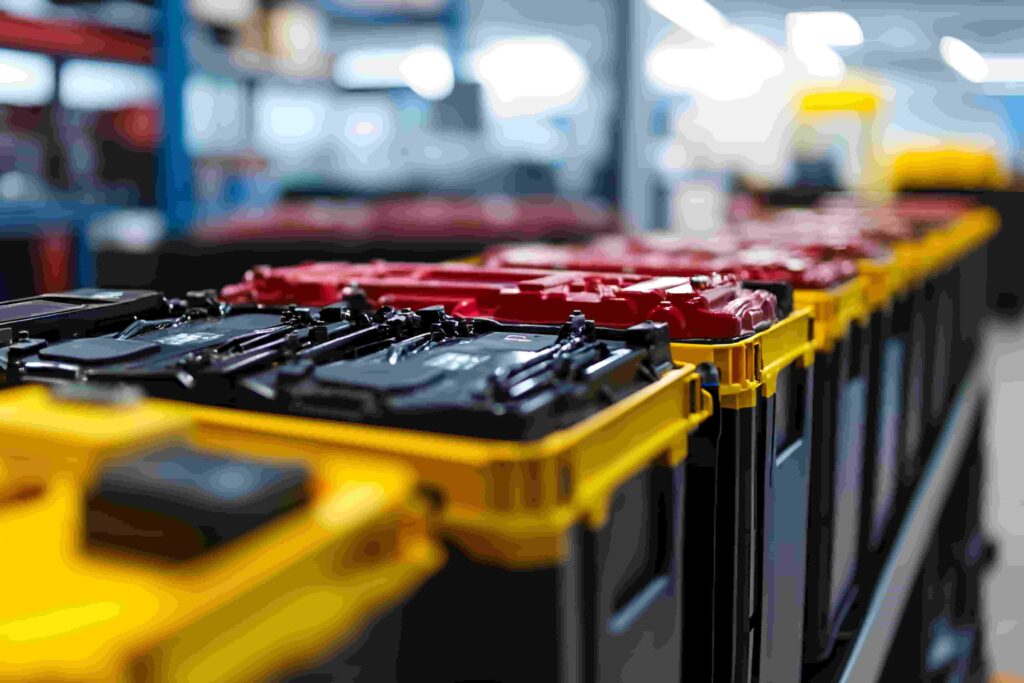
Lithium batteries have become the preferred energy storage solution for electric vehicles (EVs), renewable energy storage systems (ESS), telecommunications, UPS backup systems, industrial equipment, and consumer electronics. As battery technology continues to evolve, ensuring battery safety, capacity, efficiency, and long-term reliability has become more important than ever.
A Lithium Battery Charge Discharge Tester is one of the most essential tools for evaluating battery performance throughout its entire lifecycle. Whether used during battery manufacturing, routine maintenance, laboratory research, or battery recycling, this equipment provides precise charging and discharging control while collecting valuable performance data.
Unlike a conventional charger, a professional Lithium Battery Charge Discharge Tester measures actual battery capacity, monitors charging and discharging efficiency, records voltage and current changes, and helps engineers identify performance degradation before failures occur.
For manufacturers, service providers, and maintenance teams, investing in advanced battery testing equipment is no longer optional—it is a critical step toward improving product quality, reducing maintenance costs, and extending battery service life.
What Is a Lithium Battery Charge Discharge Tester?
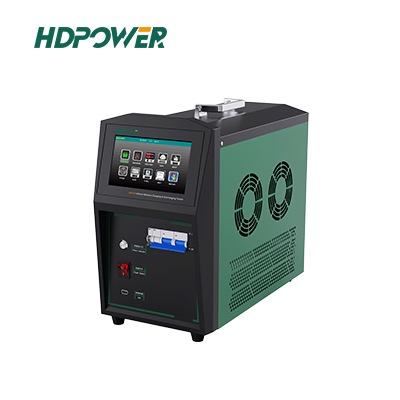
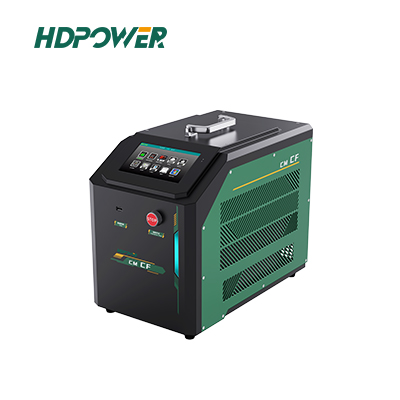
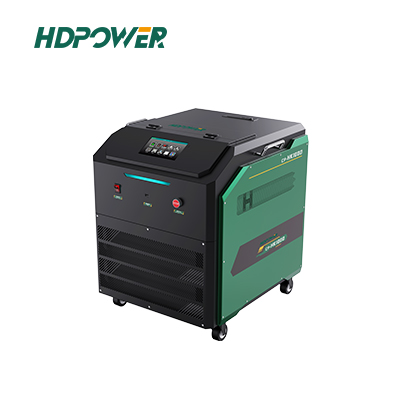
Lithium Battery Charge Discharge Tester is essential equipment for evaluating battery performance, capacity, and lifecycle in modern energy systems. It supports constant current, constant voltage, and cycle testing to ensure accurate and repeatable results.
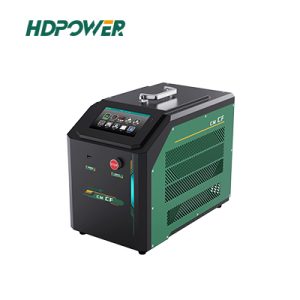
Compared with conventional battery testers, our lithium battery tester provides real-time monitoring, intelligent analysis, and flexible test configurations, helping engineers and maintenance teams improve efficiency and reduce operational risks.
Typical measurements include:
- Battery voltage
- Charge current
- Discharge current
- Battery capacity (Ah)
- Energy output (Wh)
- Charging efficiency
- Discharging efficiency
- Cycle life
- Charging curves
- Discharging curves
- Test reports
Instead of estimating battery health based solely on voltage, professional testing equipment determines the actual usable capacity of a battery, providing far more reliable data for maintenance decisions.
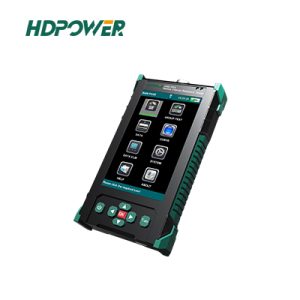
Many industrial users also combine a Lithium Battery Charge Discharge Tester with a professional Battery Analyzer to perform comprehensive battery diagnostics, including internal resistance measurement, health evaluation, and long-term trend analysis.
Why Battery Charge and Discharge Testing Matters
Battery failures rarely happen without warning.
Long before a battery stops working completely, it begins to show subtle signs of degradation, including:
- Reduced capacity
- Increased internal resistance
- Abnormal voltage drops
- Cell imbalance
- Reduced charging efficiency
- Increased heat generation
Without professional testing equipment, these issues often remain unnoticed until unexpected failures occur.
Routine charge-discharge testing enables maintenance personnel to detect problems early and schedule preventive maintenance before costly downtime happens.
For industries such as telecommunications, substations, data centers, and renewable energy storage, preventive battery testing significantly improves system reliability.
How Does a Lithium Battery Charge Discharge Tester Work?
A professional tester operates through several programmable stages.
-
Constant Current Charging
The tester charges the battery at a predefined current while continuously monitoring voltage changes.
This process ensures consistent charging conditions across every test.
-
Constant Voltage Charging
Once the battery reaches its target voltage, the tester automatically switches to constant-voltage charging.
Current gradually decreases until the charging cycle finishes.
-
Controlled Discharging
The tester then discharges the battery under programmable conditions.
Depending on the application, discharge modes may include:
- Constant Current (CC)
- Constant Power (CP)
- Constant Resistance (CR)
During discharge, every voltage and current change is recorded.
-
Data Collection
The software automatically records:
- Voltage curves
- Current curves
- Capacity curves
- Energy output
- Charging efficiency
- Cycle information
These reports provide engineers with valuable insights into battery condition.
Key Features of a Professional Lithium Battery Charge Discharge Tester
Industrial battery testing equipment offers significantly more functionality than ordinary battery chargers.
High Measurement Accuracy
Accurate testing is essential for evaluating battery performance.
Professional systems provide high-precision measurements of:
- Voltage
- Current
- Capacity
- Energy
This level of accuracy ensures reliable testing results suitable for quality control and research applications.
Programmable Testing Profiles
Users can customize testing procedures according to different battery chemistries and application requirements.
Typical programmable functions include:
- Charge current
- Discharge current
- Voltage limits
- Rest time
- Number of cycles
- Automatic stop conditions
These settings make one tester suitable for multiple battery types.
Wide Voltage Compatibility
Modern Lithium Battery Charge Discharge Testers support:
- Single lithium cells
- Battery modules
- Battery packs
- High-voltage battery systems
This flexibility reduces equipment investment while improving utilization.
Intelligent Software Management
Professional software enables users to:
- Monitor tests in real time
- Generate automatic reports
- Export Excel data
- View charge-discharge curves
- Compare historical test results
- Manage multiple testing channels simultaneously
These functions improve both testing efficiency and data traceability.
Applications Across Multiple Industries
The demand for Lithium Battery Charge Discharge Testers continues to grow rapidly as lithium batteries are adopted across more industries.
Battery Manufacturing
Battery manufacturers rely on charge-discharge testing throughout production.
Typical applications include:
- Incoming material inspection
- Cell grading
- Module verification
- Battery pack validation
- End-of-line testing
- Product quality inspection
Accurate testing ensures every battery meets performance specifications before shipment.
Electric Vehicle Battery Maintenance
As EV adoption increases worldwide, battery maintenance has become a major industry.
A Lithium Battery Charge Discharge Tester helps technicians:
- Evaluate battery health
- Verify remaining capacity
- Detect weak battery modules
- Validate repaired battery packs
Reliable testing reduces unnecessary battery replacement while improving repair accuracy.
Energy Storage Systems (ESS)
Large battery banks used in renewable energy storage require regular performance evaluation.
Routine testing helps operators:
- Detect aging batteries
- Maintain system consistency
- Prevent unexpected outages
- Optimize maintenance schedules
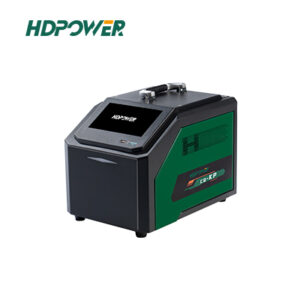
Many maintenance teams integrate a complete Lithium Battery Test Equipment solution that includes charge-discharge testing, internal resistance measurement, and battery monitoring to improve diagnostic accuracy.
Telecommunications and UPS Systems
Backup batteries are critical for uninterrupted power supply.
Routine charge-discharge testing helps ensure batteries will perform reliably during power failures.
Testing also allows operators to replace weak batteries before they affect the entire backup system.
How to Choose the Right Lithium Battery Charge Discharge Tester
Choosing the right Lithium Battery Charge Discharge Tester requires more than comparing prices or basic specifications. The ideal system should match your battery voltage, capacity, testing requirements, and future expansion plans. A well-selected tester not only improves testing accuracy but also reduces operating costs and increases productivity over time.
Select the Appropriate Voltage Range
The first consideration is the voltage range supported by the equipment.
Different applications require different voltage capabilities:
- Single lithium cells
- Battery modules
- Low-voltage battery packs
- High-voltage EV battery packs
- Energy storage battery systems
Purchasing a tester with a wider operating voltage allows one system to support multiple projects, reducing future equipment investments.
Match the Current Rating to Your Batteries
Charging and discharging current directly affects testing efficiency.
Higher current capability enables:
- Faster capacity verification
- Reduced testing time
- Improved production efficiency
- Shorter maintenance cycles
However, excessively high current may not be necessary for laboratory applications, so selecting equipment based on actual battery specifications is recommended.
Evaluate Testing Accuracy
High measurement accuracy is essential for battery quality control.
Professional Lithium Battery Charge Discharge Testers should provide accurate measurements of:
- Voltage
- Current
- Capacity
- Energy
- Efficiency
Accurate data allows engineers to identify small performance differences between batteries, which is particularly important for battery grading, module matching, and quality inspection.
Consider Software Functions
Modern battery testing is no longer limited to hardware.
Advanced software should provide:
- Real-time monitoring
- Automatic report generation
- Historical data management
- Charge and discharge curve analysis
- Remote operation
- Multi-channel management
- Data export in Excel or CSV format
Comprehensive software significantly improves maintenance efficiency while simplifying long-term data management.
Ensure Reliable Safety Protection
Battery testing often involves high currents and extended operating periods.
Industrial-grade equipment should include multiple protection functions, such as:
- Over-voltage protection
- Over-current protection
- Reverse polarity protection
- Short-circuit protection
- Over-temperature protection
- Emergency stop function
These features protect both operators and batteries while reducing equipment downtime.
Benefits of Using a Lithium Battery Charge Discharge Tester
Many organizations still rely on basic chargers or manual testing methods, which provide only limited information about battery condition.
A professional Lithium Battery Charge Discharge Tester offers significant advantages.
Accurate Battery Health Assessment
Instead of relying solely on open-circuit voltage, the tester evaluates the battery under actual charging and discharging conditions.
This provides a much more accurate understanding of battery health.
Early Fault Detection
Regular testing helps identify problems before they become critical.
Potential issues include:
- Capacity loss
- Cell inconsistency
- Voltage instability
- Charging abnormalities
- Performance degradation
Detecting these problems early minimizes unexpected failures and expensive repairs.
Longer Battery Service Life
Routine performance testing enables maintenance teams to optimize charging strategies and identify batteries that require maintenance or replacement.
Proper maintenance extends battery lifespan and reduces replacement costs.
Improved Maintenance Efficiency
Automatic testing and intelligent software reduce manual operations, allowing technicians to test multiple batteries simultaneously.
This is particularly valuable for utilities, telecommunications companies, battery manufacturers, and energy storage operators.
Lower Operating Costs
Preventive maintenance always costs less than emergency replacement.
By identifying weak batteries before failures occur, organizations can reduce downtime, minimize maintenance expenses, and improve equipment reliability.
Battery Capacity Testing Is Equally Important
Although charge-discharge testing provides comprehensive battery performance data, many maintenance professionals also perform dedicated capacity verification.
A professional Battery Capacity Tester measures the actual usable capacity of a battery and helps determine whether it still meets operational requirements. When combined with a Lithium Battery Charge Discharge Tester, capacity testing provides a more complete picture of battery condition, enabling engineers to make informed maintenance and replacement decisions.
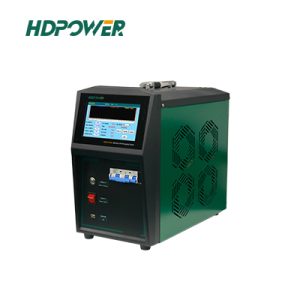
This combination is widely used in:
- Battery manufacturing
- Electric vehicle maintenance
- Energy storage systems
- UPS battery maintenance
- Telecommunications backup power
- Battery recycling facilities
Why Choose HDPOWER Lithium Battery Charge Discharge Tester?
Selecting the right supplier is just as important as selecting the right equipment.
HDPOWER specializes in professional battery testing solutions for industrial applications and has extensive experience serving customers in the power utility, renewable energy, telecommunications, transportation, and battery manufacturing industries.
Our Lithium Battery Charge Discharge Tester is designed to deliver reliable performance, precise measurements, and long-term operational stability.
Key advantages include:
- High-precision CC/CV charging control
- Constant Current (CC) and Constant Power (CP) discharge modes
- Wide voltage compatibility for multiple battery applications
- Intelligent touchscreen interface for intuitive operation
- Automatic data acquisition and report generation
- Multi-level safety protection
- Scalable multi-channel testing solutions
- Stable long-duration continuous operation
- Support for customized testing requirements
- Professional technical support and OEM/ODM services
Whether you are testing lithium battery cells, battery modules, battery packs, or complete energy storage systems, HDPOWER provides dependable solutions that improve testing efficiency while ensuring accurate and repeatable results.
Frequently Asked Questions
What batteries can a Lithium Battery Charge Discharge Tester test?
Most professional testers support various rechargeable lithium battery chemistries, including Lithium-ion (Li-ion), Lithium Iron Phosphate (LiFePO₄), NMC, LCO, LTO, and other rechargeable battery systems, provided the voltage and current are within the equipment’s specifications.
Can one tester be used for battery research and production?
Yes.
Modern programmable testers are suitable for research laboratories, battery manufacturing, quality control, maintenance centers, and battery recycling applications. Different testing profiles can be configured according to specific requirements.
Why is charge-discharge testing more accurate than voltage measurement?
Battery voltage alone cannot accurately indicate remaining capacity or overall battery health.
Charge-discharge testing evaluates battery performance under actual operating conditions, providing accurate measurements of usable capacity, energy output, charging efficiency, and cycle performance.
How often should lithium batteries be tested?
Testing frequency depends on the application.
For critical systems such as energy storage stations, telecommunications backup batteries, UPS systems, and electric vehicle fleets, periodic preventive testing is recommended to monitor battery aging and maintain operational reliability.
What industries benefit most from Lithium Battery Charge Discharge Testers?
Typical industries include:
- Battery manufacturing
- Electric vehicle production
- EV maintenance workshops
- Renewable energy
- Energy storage systems (ESS)
- Telecommunications
- Data centers
- Power utilities
- Research laboratories
- Battery recycling companies
Conclusion
As lithium batteries continue to power electric vehicles, renewable energy systems, industrial equipment, and backup power applications, reliable battery testing has become an essential part of quality assurance and lifecycle management.
A professional Lithium Battery Charge Discharge Tester enables manufacturers, maintenance providers, and research institutions to accurately evaluate battery capacity, charging performance, cycle life, and overall health. With precise measurements, intelligent software, and advanced safety features, it helps reduce maintenance costs, improve operational reliability, and maximize battery service life.
For organizations seeking long-term performance and dependable testing results, investing in industrial-grade battery testing equipment is a strategic decision that delivers lasting value. Choosing a trusted supplier like HDPOWER ensures access to high-quality solutions, expert technical support, and equipment designed to meet the evolving demands of modern lithium battery applications.