Introduction
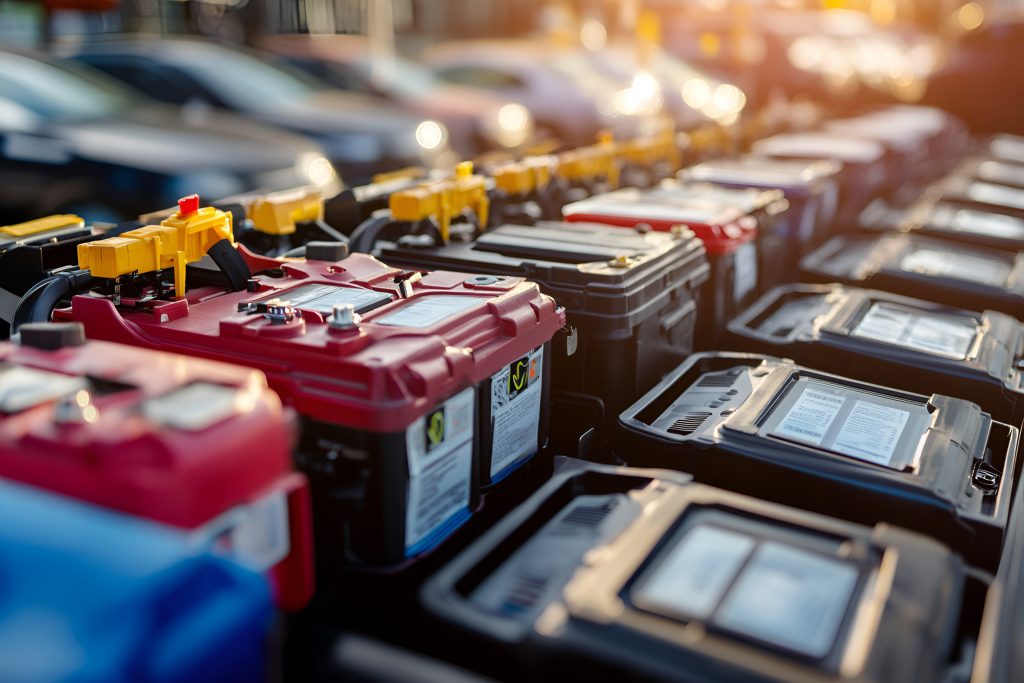
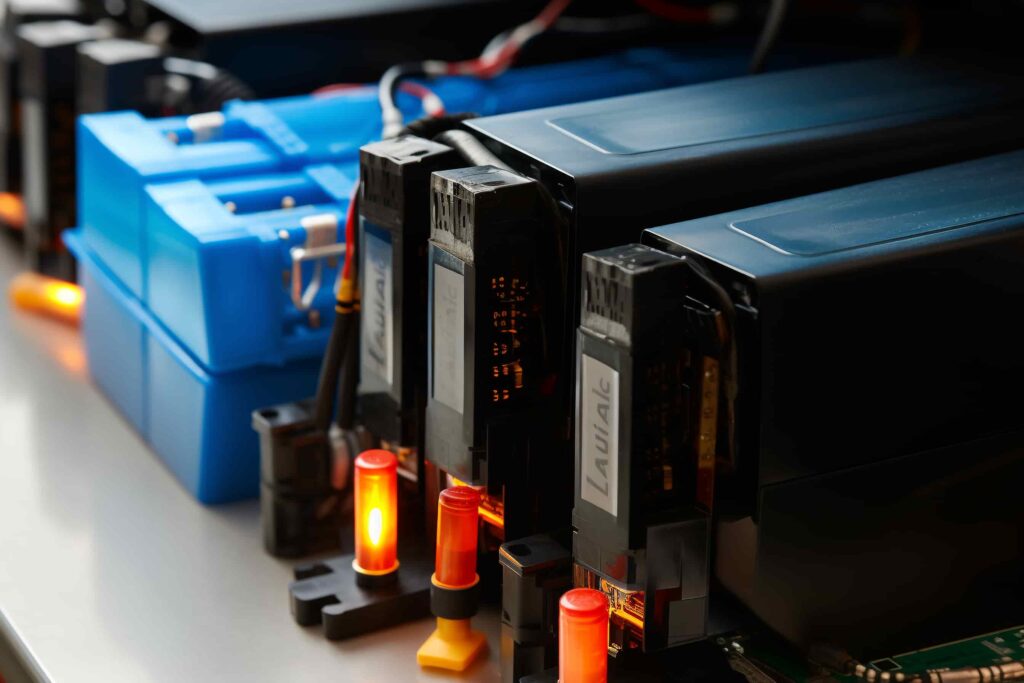
Lead acid batteries remain widely used in UPS systems, telecommunications, substations, data centers, industrial facilities, and other backup power applications. Although a battery may show a normal voltage during routine inspection, voltage alone cannot confirm whether it can still deliver its rated capacity when backup power is required.
A controlled discharge test provides a more practical way to evaluate actual battery performance. By applying a defined electrical load and continuously monitoring voltage, current, discharge time, and delivered capacity, engineers can identify battery degradation and make better maintenance or replacement decisions.
A professional Lead Acid Battery Discharge Tester is designed to perform this type of controlled testing. It allows maintenance teams to evaluate battery capacity and discharge characteristics under repeatable conditions while recording test data for analysis and maintenance records.
For industrial battery systems, the objective is not simply to discharge a battery. It is to determine whether the battery can still provide the required backup power when it matters most.
What Is a Lead Acid Battery Discharge Tester?
A Lead Acid Battery Discharge Tester is specialized equipment used to apply a controlled electrical load to a lead acid battery or battery bank while monitoring its electrical performance.
Unlike a simple handheld battery checker that provides a quick voltage or resistance reading, professional discharge equipment evaluates battery performance over a defined discharge period. Depending on the model and application, users can configure discharge current, discharge mode, cutoff voltage, test duration, and other parameters.
During a typical test, the equipment can continuously monitor:
- Battery voltage
- Discharge current
- Discharge time
- Discharged capacity
- Voltage variation
- Discharge curve
- Test status and protection conditions
Professional Battery Discharge Test Equipment can also automatically stop the test when a preset voltage, time, temperature, or other safety condition is reached.
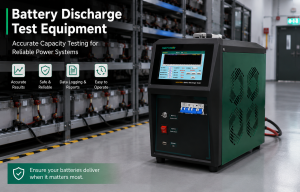
This makes controlled discharge testing more repeatable and useful for industrial battery maintenance.
Why Is Lead Acid Battery Discharge Testing Important?
Lead acid batteries gradually lose their ability to store and deliver energy because of aging, sulfation, corrosion, temperature stress, improper charging, repeated cycling, and long-term standby operation.
The problem is that battery degradation does not always result in an obvious abnormal voltage reading. A battery can appear normal during a basic inspection while its actual available capacity has already fallen significantly.
This is why Lead Acid Battery Discharge Testing is important for critical backup power systems.
A controlled discharge test can help maintenance teams:
- Verify actual available battery capacity
- Identify batteries with reduced performance
- Compare battery performance over time
- Detect potential weak batteries before failure
- Evaluate whether a battery bank meets its backup requirements
- Support battery replacement decisions
- Maintain documented test records
For UPS and telecommunications systems in particular, knowing the actual discharge performance of a battery bank is much more useful than relying only on its nominal voltage.
How Does a Lead Acid Battery Discharge Test Work?
A typical discharge test begins by configuring the appropriate test parameters according to the battery manufacturer’s specifications and the requirements of the application.
The tester then applies a controlled electrical load to the battery. Depending on the equipment, this may be performed using constant-current or constant-power discharge.
During the process, the tester continuously records voltage, current, elapsed time, and other relevant parameters.
As the battery discharges, its terminal voltage gradually changes. The test continues until the programmed termination condition is reached, such as a specified cutoff voltage or test duration.
The resulting data can then be analyzed to determine how the battery performed throughout the test.
For example, if a battery reaches its cutoff voltage much earlier than expected, it may indicate reduced capacity or deteriorated battery performance.
The test therefore provides a dynamic view of battery condition rather than a single measurement taken at one moment.
How Is Battery Capacity Measured During Discharge Testing?
One of the main purposes of a controlled discharge test is Lead Acid Battery Capacity Testing.
Battery capacity is commonly expressed in ampere-hours (Ah). During a controlled discharge, the tester records the discharge current and the duration of the test. In a simplified constant-current test, capacity can be calculated using:
Capacity (Ah) = Discharge Current (A) × Discharge Time (h)
For example, if a battery is discharged at 10 A for 8 hours before reaching the specified cutoff condition, the measured capacity would be approximately 80 Ah under those test conditions.
In real-world testing, however, the result also depends on factors such as discharge rate, temperature, cutoff voltage, battery condition, and manufacturer specifications.
Therefore, professional Battery Capacity Testing Equipment should provide accurate measurement and data recording rather than relying on a simple theoretical calculation.
This is also why a battery discharge tester and a battery capacity tester are closely related in practical applications. Controlled discharge provides the test conditions needed to determine how much usable capacity the battery can actually deliver.
Battery Discharge Testing for UPS, Telecom and Power Systems
Industrial lead acid batteries are often installed in systems where reliable backup power is essential.
UPS Battery Testing
UPS batteries must provide sufficient energy during a power interruption. A UPS Battery Discharge Tester can apply a controlled load to evaluate whether the battery bank can deliver the required backup capacity.
Regular discharge testing can help facility managers identify deteriorating batteries before they cause insufficient backup time during an outage.
Telecom Battery Bank Testing
Telecommunications sites often rely on lead acid battery banks to maintain communication equipment during grid failures.
Telecom Battery Testing Equipment can be used to evaluate battery capacity, monitor discharge performance, and maintain historical test records across multiple maintenance cycles.
Substation Battery Testing
Substations commonly use DC battery systems for protection, control, and emergency power.
A controlled discharge test can help verify that the battery system can provide the required energy during abnormal operating conditions.
Data Center Battery Testing
Data centers require highly reliable backup power. Battery discharge testing can be integrated into preventive maintenance programs to evaluate UPS battery performance and support replacement planning.
Key Features to Consider When Choosing Battery Discharge Test Equipment
Not every battery discharge application requires the same equipment. Before purchasing a Lead Acid Battery Testing Equipment solution, users should consider several important parameters.
- Battery Voltage Range
The tester should support the voltage of the battery or battery bank being tested. Industrial applications may involve 24 V, 48 V, 110 V, 220 V, or other DC systems.
- Discharge Current
The available discharge current should match the required test method and battery capacity. Selecting equipment only according to its maximum current may result in an unsuitable testing solution.
- Constant Current or Constant Power
Different applications may require different discharge methods. Constant-current testing is commonly used for capacity verification, while constant-power discharge can be useful when simulating certain system loads.
- Automatic Cutoff Protection
The tester should be able to stop automatically when preset conditions are reached. This can help prevent excessive battery discharge and improve testing safety.
- Real-Time Monitoring
Continuous monitoring of voltage, current, time, and capacity makes it easier to identify abnormal battery behavior during the test.
- Data Recording and Reporting
For professional maintenance, test data should be saved and exported for comparison with previous results. Automated reports can also make maintenance documentation more efficient.
- Individual Cell Monitoring
For battery banks, individual cell voltage monitoring can provide additional information about weak or abnormal cells that may otherwise be hidden by the overall battery-bank voltage.
Why Use Professional Battery Discharge Testing Equipment?
Manual discharge testing can require technicians to monitor multiple electrical parameters throughout a long test. This becomes particularly challenging when testing large battery banks or multiple systems.
Modern Battery Discharge Tester solutions can automate much of this process.
Operators can configure test parameters, start the test, monitor real-time data, and allow the equipment to automatically terminate the test when predefined conditions are reached.
The resulting test data can then be saved and analyzed.
For organizations responsible for UPS systems, telecom infrastructure, substations, and industrial backup power, this approach improves test consistency and makes it easier to establish historical battery-performance records.
More importantly, it helps transform battery maintenance from a simple visual inspection into a data-based evaluation process.
HDPOWER Lead Acid Battery Discharge Testing Solution
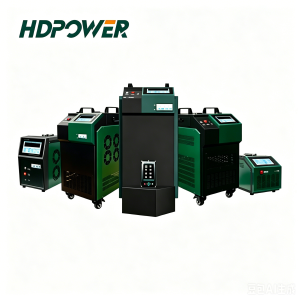
HDPOWER provides professional battery testing equipment for industrial lead acid battery maintenance, including battery analyzers, activators, discharge testers, and load testers.
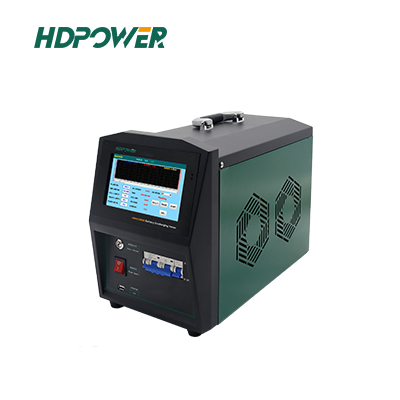
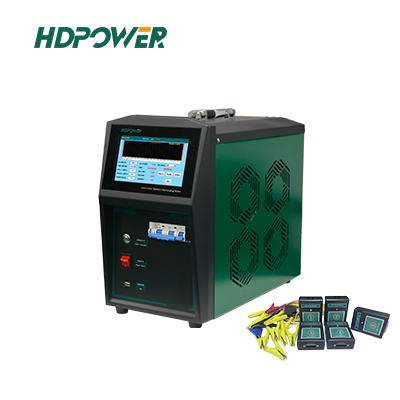
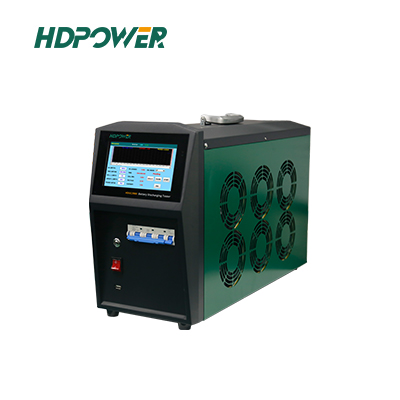
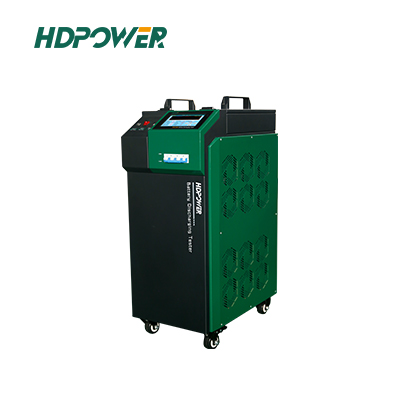
For applications requiring accurate discharge capacity verification, the HDGC3980 Battery Discharging Tester is designed for battery pack discharge experiments, capacity testing, and daily maintenance. It can monitor battery voltage, discharge current, discharge time, and discharge capacity during the testing process.
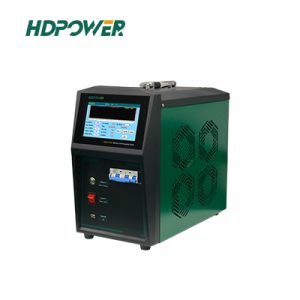
The HDGC3980 series supports different discharge-current configurations and is designed for applications including telecommunications, substations, rail transportation, hydroelectric power stations, and UPS data centers. The system also provides touchscreen operation, real-time monitoring, automatic test termination, and test-data visualization.
For a broader range of battery maintenance requirements, HDPOWER’s Battery Capacity Tester series combines different testing approaches, including rapid battery analysis, activation/residual-capacity testing, lead acid battery discharge capacity testing, and lithium battery pack discharge testing.
This product structure allows users to select the appropriate equipment according to battery chemistry, voltage range, testing objective, and application requirements.
How to Choose the Right Lead Acid Battery Discharge Tester
Before selecting a tester, define the actual requirements of the battery system.
Consider:
- What is the battery or battery-bank voltage?
- What discharge current is required?
- Is constant-current or constant-power testing needed?
- What cutoff voltage should be used?
- Is individual cell monitoring required?
- How long will the test normally take?
- Does the maintenance team need automated test reports?
- Will the equipment be used for individual batteries or complete battery banks?
The answers will help determine the appropriate Lead Acid Battery Load Tester or discharge testing solution.
The right equipment should not simply have a high current rating. It should match the complete testing workflow, including measurement accuracy, control functions, safety protection, data management, and field application requirements.
Conclusion
A lead acid battery can have normal voltage and still fail to provide its expected backup capacity. For critical power systems, controlled discharge testing provides a more reliable way to evaluate actual battery performance.
A professional Lead Acid Battery Discharge Tester can control the discharge process, monitor electrical parameters, calculate delivered capacity, and record test results for further analysis.
This makes discharge testing valuable for UPS systems, telecommunications, substations, data centers, and other industrial backup power applications.
By combining controlled discharge with accurate measurement and reliable data management, maintenance teams can identify deteriorating batteries earlier, make better replacement decisions, and improve the reliability of critical power systems.