Introduction
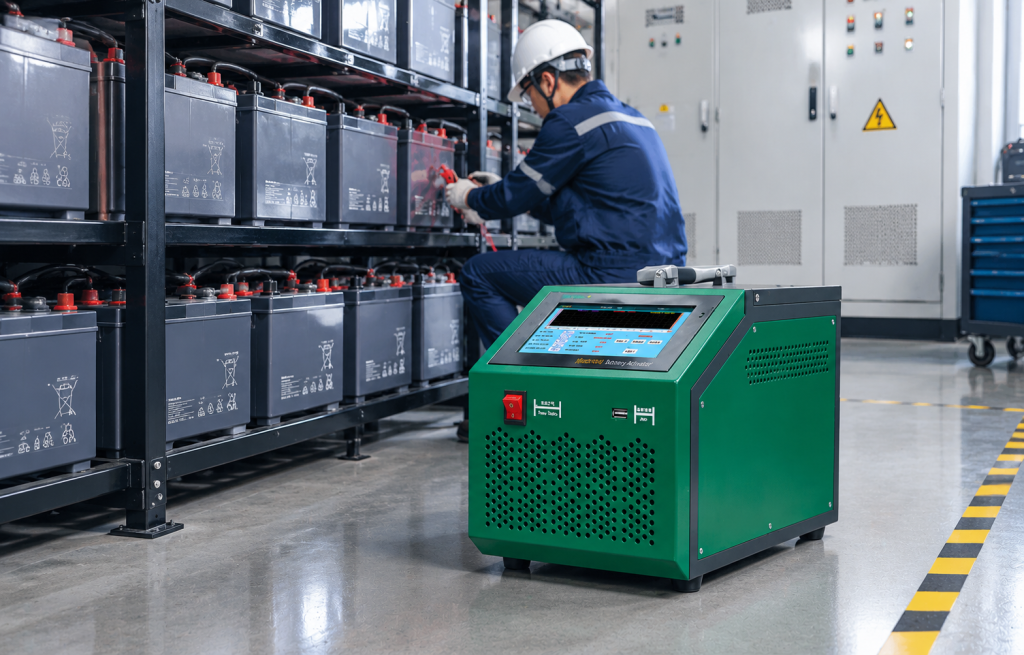
Lead acid batteries remain an important part of industrial backup power systems. They provide emergency DC power for substations, telecommunications base stations, uninterruptible power supply (UPS) systems, data centers, and rail transit facilities. Although these batteries are widely used, their performance can gradually deteriorate due to aging, prolonged undercharging, temperature variations, sulfation, and differences between individual cells.
When a battery bank fails to deliver sufficient backup power, the problem may not be immediately visible. A battery string can appear normal during routine inspections while containing one or more weak cells that compromise its overall performance. For this reason, lead acid battery maintenance diagnostics should be an essential part of a preventive maintenance strategy.
A systematic diagnostic process helps maintenance teams identify abnormal battery behavior, determine whether further testing is necessary, and select appropriate maintenance measures. It also helps distinguish batteries that may benefit from controlled activation from those that require replacement.
For industrial operators, the objective is not simply to maintain batteries for as long as possible. It is to ensure that backup power remains dependable when an outage occurs.
-
Why Lead Acid Battery Maintenance Diagnostics Matters
Industrial backup batteries often operate under float-charging conditions and may remain on standby for extended periods. Because they are not discharged frequently, deterioration can go unnoticed until a scheduled discharge test or an actual power interruption reveals a problem.
Several conditions make routine diagnostics particularly important.
Hidden Weak Cells
A battery bank consists of multiple cells connected in series or parallel. Even when most cells perform normally, a single weak cell can affect the performance of the entire string. Individual cell measurements help maintenance personnel identify abnormalities that would otherwise be concealed by the total battery-bank voltage.
Gradual Performance Deterioration
Battery capacity and discharge performance can decline over time. Sulfation, corrosion, electrolyte-related problems, and aging may contribute to this deterioration, depending on the battery design and operating conditions.
Limited Maintenance Windows
Substations, telecom facilities, and data centers often have strict maintenance requirements. Technicians need reliable information to prioritize inspections, plan testing, and avoid unnecessary battery replacement or repeated manual checks.
Backup Power Reliability
A battery bank must provide sufficient power for its intended backup duration. Diagnostics helps identify potential weaknesses before they become operational problems, supporting more informed maintenance decisions.
-
Common Warning Signs of Lead Acid Battery Problems
No single measurement can explain every battery fault. Maintenance teams should evaluate multiple indicators and compare results with manufacturer specifications, historical records, and operating conditions.
Abnormal Individual Cell Voltage
Differences between individual cell voltages may indicate unequal charging, deterioration, or other developing problems. A cell that consistently behaves differently from the rest of the string deserves further investigation.
Voltage differences alone, however, do not prove that a cell is irreversibly damaged. Measurements should be interpreted alongside charging conditions, temperature, battery history, and appropriate test results.
Reduced Discharge Performance
A battery may show an acceptable voltage at rest but experience excessive voltage decline under load. This can indicate reduced usable capacity, increased internal resistance, or another condition that limits its ability to supply backup power.
A controlled discharge test provides more meaningful performance information than a single open-circuit voltage reading.
Unusual Temperature or Physical Changes
Unexpected heating, swelling, leakage, corrosion, or damaged connections require attention. These symptoms may indicate electrical, mechanical, or environmental problems that cannot be resolved simply by activating the battery.
Personnel should follow the battery manufacturer’s safety instructions and isolate unsafe equipment when necessary.
Repeated Charging or Maintenance Abnormalities
Recurring charging difficulties, inconsistent test results, and repeated alarms can indicate underlying battery or connection problems. Maintenance records help determine whether an abnormal result is temporary or part of a longer deterioration trend.
-
A Structured Diagnostic Process for Industrial Batteries
An effective diagnostic procedure combines visual inspection, electrical measurements, performance testing, and documented decision-making.
Step 1: Review Battery History
Before testing, review the battery’s installation date, maintenance records, previous discharge results, operating environment, and any recorded alarms.
Historical information provides a baseline for identifying changes. A voltage reading that appears acceptable in isolation may still represent a significant deviation from the same battery’s normal operating pattern.
Step 2: Conduct a Visual and Connection Inspection
Check the battery enclosure, terminals, cables, connectors, and ventilation arrangements. Look for corrosion, loose connections, leakage, swelling, and other visible abnormalities.
Inspecting connections is important because resistance at a poor connection can affect measurements and discharge performance. Physical defects should be addressed before proceeding with further testing.
Step 3: Measure Individual Cell Voltages
Measure and record individual cell voltages under clearly documented operating conditions. Compare the readings with manufacturer recommendations and other cells in the same battery string.
For larger battery banks, systematic recording makes it easier to identify outliers and track changes over time. Abnormal readings should trigger further investigation rather than an automatic conclusion that a cell needs activation.
Step 4: Evaluate Battery Performance
When operating procedures permit, use an appropriate battery test method to assess performance under defined conditions. Depending on the application, this may include controlled discharge testing, capacity verification, or other manufacturer-approved diagnostic procedures.
The test current, discharge duration, temperature, voltage limits, and termination conditions should be selected according to the battery specifications and applicable maintenance requirements.
A short measurement or preliminary screening result should not be confused with a complete capacity test.
Step 5: Classify the Condition and Select an Action
Based on the combined evidence, maintenance personnel can determine whether the battery requires further monitoring, connection repair, controlled charging, activation, a more comprehensive test, or replacement.
This decision-based process prevents unnecessary treatment and helps technicians focus on the underlying cause of poor performance.
-
How Battery Activation Fits into Maintenance Diagnostics
Battery activation can be considered when a lead acid battery shows performance deterioration that may respond to an appropriate maintenance procedure. It should not be treated as a universal remedy for every battery fault.
In some batteries, prolonged undercharging and sulfation can contribute to reduced performance. Controlled electrical treatment may help address certain reversible conditions, depending on battery construction, age, condition, and the manufacturer’s recommendations.
However, activation cannot reliably reverse severe plate corrosion, internal short circuits, substantial material loss, or other irreversible damage. A battery that fails safety or performance requirements may need replacement.
A practical workflow is therefore:
- Identify abnormal battery behavior through inspection and testing.
- Determine whether the condition is suitable for activation.
- Apply an appropriate, controlled activation procedure.
- Repeat relevant measurements and performance checks.
- Document the results and decide whether the battery can remain in service.
This approach makes activation part of a broader maintenance decision rather than a substitute for diagnostics.
-
Choosing Equipment for Lead Acid Battery Maintenance Diagnostics
The equipment required depends on the battery bank, maintenance objective, and diagnostic procedure. Industrial facilities may need several complementary tools rather than a single device for every task.
Individual Cell Measurement Tools
Voltage measurement tools help technicians locate cells that behave differently from the rest of a battery string. Consistent measurement procedures and reliable records are essential for meaningful comparisons.
Battery Discharge and Performance Testers
Discharge testers help assess battery behavior under controlled load conditions. Depending on the equipment, they can record voltage, current, elapsed time, and other test parameters to support performance evaluation.
These devices are particularly relevant when maintenance teams need to verify whether a battery bank can meet its specified backup requirements.
Battery Activation Equipment
When test results indicate that activation may be appropriate, dedicated activation equipment can support a controlled maintenance process.
The equipment should match the battery type and application. Technicians should review its operating limits, protection functions, operating instructions, and reporting capabilities before use.
Data Recording and Reporting Functions
Digital records make it easier to compare results across maintenance cycles, identify recurring abnormalities, and communicate findings between technicians.
Templates and automatically generated reports can also reduce manual documentation work. Nevertheless, recorded data must be reviewed for completeness and interpreted in the context of the actual test conditions.
-
HDGC3932: Supporting Lead Acid Battery Maintenance Workflows
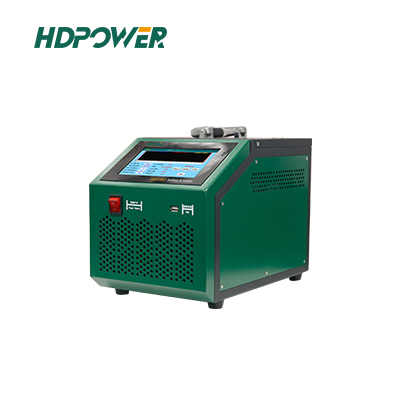
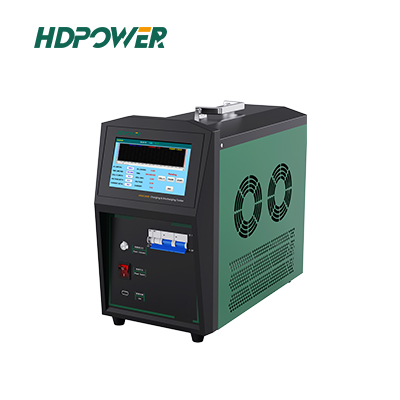
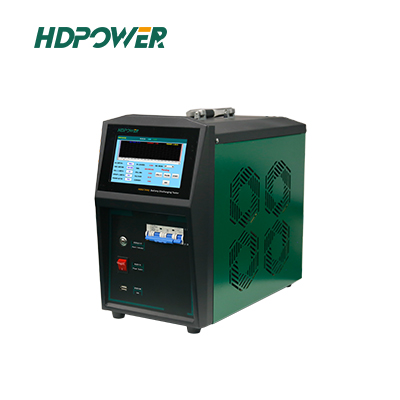
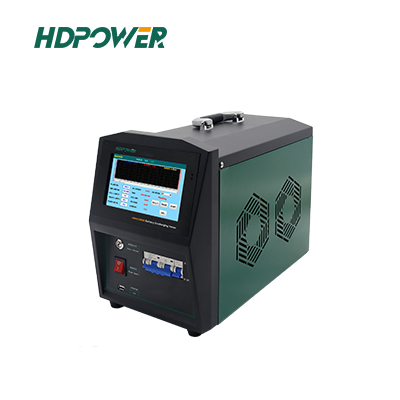
The HDGC3932 Lead Acid Battery Activator from HDPOWER is designed for lead acid battery maintenance applications, including battery systems used in power facilities, telecommunications base stations, rail transit systems, and data centers.
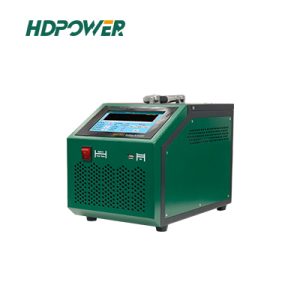
Its role within a diagnostic workflow is to support appropriate battery activation after technicians have evaluated the battery’s condition.
The HDGC3932 uses a high-frequency, low-voltage, high-current approach for its activation process. It supports charging, discharging, and cycling functions to help maintenance personnel carry out selected treatment procedures according to the battery’s condition and applicable operating requirements.
A 7-inch touchscreen provides an interface for operation and parameter configuration. Preset templates help simplify repeated maintenance tasks, while protection functions are designed to address conditions such as overcurrent, short circuits, and reverse polarity.
The device also supports parallel operation and report generation, helping maintenance teams manage larger workloads and document completed procedures.
These functions can be useful in facilities where technicians need repeatable workflows and organized maintenance records. Actual treatment settings and suitability should always be determined according to battery specifications and the equipment manual.
Importantly, an activation result should not be assumed to represent restored rated capacity. Follow-up testing is necessary to determine whether the battery’s performance has improved sufficiently for its intended application.
For more information about the device, see the HDPOWER Battery Activator product page.
-
Verifying Results After Maintenance
Post-maintenance verification is an important part of any battery activation or maintenance procedure. Without follow-up measurements, technicians cannot reliably determine whether the selected intervention achieved its intended objective.
Repeat Comparable Measurements
Repeat relevant voltage measurements under comparable operating conditions. Compare individual cell readings with the pre-maintenance records and investigate any persistent abnormalities.
Where appropriate, conduct further controlled performance testing in accordance with the battery manufacturer’s instructions and site procedures.
Evaluate Performance Against Requirements
Determine whether the battery meets the performance criteria required by the application. These criteria may include specified discharge duration, voltage limits, capacity requirements, and other operational parameters.
A small improvement in voltage alone does not establish that a battery can meet its required backup duration.
Record the Outcome
Document the initial condition, maintenance procedure, operating parameters, follow-up measurements, and final decision. A clear record supports future trend analysis and helps maintenance teams identify recurring issues.
Decide Whether to Retain or Replace the Battery
If the battery continues to exhibit unsafe behavior or fails the required performance criteria, further activation may not be appropriate. Replacement should be considered according to the applicable technical requirements and maintenance policy.
-
Building a Preventive Maintenance Strategy
Diagnostics is most effective when incorporated into a consistent maintenance program rather than performed only after a fault occurs.
Industrial operators should establish inspection and testing intervals based on battery type, age, environmental conditions, criticality, manufacturer recommendations, and applicable standards.
A practical program may include routine visual inspections, periodic individual cell measurements, scheduled performance tests, review of alarms, and trend analysis using historical records.
Maintenance teams should also standardize test procedures and ensure that personnel understand the limitations of each measurement. Consistent methods improve the comparability of results and reduce the risk of decisions based on isolated readings.
For facilities with multiple battery banks, centralized recordkeeping can help prioritize maintenance resources. Batteries showing persistent abnormalities can be scheduled for further evaluation before they jeopardize backup power availability.
The objective is to identify developing problems early, apply suitable maintenance measures, and verify the condition of the battery before returning it to its intended service.
Conclusion
Lead acid battery maintenance diagnostics provides a structured way to identify weak cells, investigate abnormal performance, and make informed maintenance decisions. Combining historical records, visual inspections, individual cell measurements, and appropriate performance tests offers a more reliable assessment than relying on a single voltage reading.
When a battery’s condition is suitable, controlled activation may form part of the maintenance process. Dedicated equipment such as the HDGC3932 Lead Acid Battery Activator can support this work through its activation functions, operating interface, protection features, and reporting capabilities.
For substations, telecom base stations, UPS systems, and data centers, the priority is to verify battery condition and maintain dependable backup power. A consistent diagnostic process helps maintenance teams determine when to monitor, when to treat, and when replacement is the safer choice.
To explore suitable equipment for your maintenance workflow, visit HDPOWER’s Lead Acid Battery Activator product page or contact the HDPOWER team to discuss your application and technical requirements.