-
Understanding Lead Acid Battery Sulfation
Lead-acid batteries remain an essential power source in industrial backup systems, including substations, telecommunications facilities, data centers, rail transit systems, and uninterruptible power supplies (UPS). Their reliability is particularly important in applications where an unexpected power interruption can affect equipment safety, operational continuity, or critical infrastructure.
However, as lead-acid batteries operate over time, their performance may gradually decline. One of the most common causes is sulfation, a process in which lead sulfate crystals accumulate on the battery plates and interfere with normal electrochemical reactions.
Although lead sulfate is naturally formed during battery discharge, it should normally be converted back into active materials during charging. Problems occur when a battery remains partially discharged for extended periods, experiences insufficient charging, or operates under unfavorable conditions. Under these circumstances, lead sulfate crystals may become larger and more difficult to convert during normal charging.
Effective lead acid battery sulfation treatment aims to address recoverable sulfation, improve the battery’s charging and discharging performance, and help extend its usable service life.
For industrial users, understanding the causes, symptoms, and available treatment methods is essential for making informed maintenance decisions and avoiding unnecessary battery replacement.
-
What Causes Sulfation in Lead Acid Batteries?
Sulfation can develop under several operating conditions. Identifying the underlying cause is an important first step before selecting an appropriate treatment method.
2.1 Prolonged Partial-State-of-Charge Operation
When a lead-acid battery remains partially discharged for a long period, lead sulfate may gradually accumulate on its plates. Without sufficient charging, these deposits may develop into larger, less reactive crystals.
This condition is particularly relevant to backup battery systems that experience infrequent discharge events but may not receive adequate charging maintenance.
2.2 Insufficient Charging
An inappropriate charging voltage, inadequate charging duration, or incorrect charging current can prevent the battery from reaching its required charging state.
Repeated undercharging increases the likelihood of sulfate accumulation and may gradually reduce the battery’s available capacity.
2.3 Extended Storage Without Proper Maintenance
Industrial backup batteries may remain unused for extended periods. If their charge levels are not monitored, self-discharge can gradually reduce their state of charge.
This is especially important for standby battery banks in substations, communication base stations, and emergency power installations.
2.4 High Operating Temperatures
Excessive temperatures can accelerate battery aging, increase water loss in flooded batteries, and affect internal electrochemical processes.
Although temperature alone does not explain every sulfation problem, poor thermal management can contribute to reduced battery performance and shorter service life.
2.5 Aging and Repeated Cycling
As batteries undergo repeated charge and discharge cycles, their active materials and internal structures gradually deteriorate.
Sulfation may occur alongside other aging mechanisms, making it necessary to distinguish recoverable sulfate accumulation from irreversible physical or chemical damage.
Understanding these contributing factors helps maintenance teams determine whether treatment is appropriate or whether battery replacement is the safer option.
-
Common Signs of Sulfation in Industrial Lead Acid Batteries
Sulfation does not always produce immediately visible symptoms. In many industrial applications, battery performance gradually deteriorates before a clear failure occurs.
The following indicators can help identify potential sulfation problems.
Reduced Discharge Capacity
A battery may reach its discharge cutoff voltage earlier than expected, indicating that its available capacity has declined.
Increased Internal Resistance
Sulfation and other degradation mechanisms can increase internal resistance. This may cause greater voltage drops under load and reduce the battery’s ability to deliver current effectively.
Abnormal Charging Behavior
A sulfated battery may exhibit unusual voltage responses or fail to accept charging current as expected. Charging behavior should be evaluated against the battery manufacturer’s specifications.
Voltage Differences Between Individual Cells
In a battery bank containing multiple cells, individual voltage differences may become more noticeable as some cells deteriorate faster than others.
Reduced Backup Duration
A backup battery system may no longer provide the expected operating time during a power interruption. This can create significant risks for critical power infrastructure.
It is important to remember that these symptoms are not exclusive to sulfation. Internal short circuits, corrosion, electrolyte problems, plate degradation, and other faults can produce similar results.
Therefore, battery condition assessment should combine voltage measurements, discharge testing, charging analysis, and other appropriate diagnostic methods.
-
How Does Lead Acid Battery Sulfation Treatment Work?
Lead acid battery sulfation treatment generally involves applying an appropriate charging or conditioning process to help convert recoverable lead sulfate back into active battery materials.
The treatment method must be selected according to battery chemistry, construction, condition, capacity, and manufacturer recommendations.
4.1 Conventional Charging
Normal charging restores the battery’s stored energy through controlled electrical current and voltage.
For batteries with mild sulfation, an appropriate charging procedure may help improve the conversion of lead sulfate.
However, ordinary charging may not be sufficient when sulfate deposits have become less reactive.
4.2 Controlled Desulfation Charging
Some battery maintenance equipment uses specialized charging profiles to address recoverable sulfation.
Depending on the equipment design, these methods may involve controlled current, voltage, charging duration, and intermittent charging or discharging.
The objective is to improve the electrochemical conditions for sulfate conversion without exceeding the battery’s safe operating limits.
4.3 Charge and Discharge Cycling
Repeated charging and discharging can be used as part of a battery conditioning process.
During charging, electrical energy is supplied to the battery. During discharging, stored energy is released under controlled conditions.
By managing current, voltage, and cycle duration, maintenance equipment can help evaluate battery response and support the treatment of batteries with recoverable performance problems.
4.4 High-Frequency, Low-Voltage, High-Current Activation
Certain industrial battery activators use high-frequency, low-voltage, high-current technology as part of their conditioning approach.
This method is designed to provide controlled electrical stimulation during battery treatment.
The actual effectiveness depends on battery condition, sulfation severity, equipment parameters, and battery specifications. It should not be interpreted as a universal solution for all types of battery degradation.
For maintenance teams, the most important consideration is selecting a treatment process that is compatible with the battery and can be monitored throughout operation.
-
Comparing Different Battery Sulfation Treatment Methods
Not every sulfated battery requires the same treatment. The appropriate approach depends on the battery’s condition and the requirements of its application.
The following table summarizes several commonly used maintenance approaches.
| Treatment Method | Main Purpose | Key Consideration |
| Conventional charging | Restore stored energy | May be insufficient for established sulfation |
| Controlled desulfation charging | Address recoverable sulfate deposits | Requires appropriate charging parameters |
| Equalization charging | Correct certain cell charge imbalances | Only suitable for compatible battery types |
| Charge and discharge cycling | Support conditioning and performance assessment | Requires controlled current and voltage |
| High-frequency activation | Apply specialized electrical conditioning | Effectiveness depends on battery condition |
Equalization charging deserves particular attention. It is commonly used for certain flooded lead-acid batteries to address cell charge imbalances, but it is not appropriate for every battery type.
For example, sealed VRLA batteries, including AGM and gel batteries, must follow their manufacturer’s charging requirements. Applying unsuitable equalization or desulfation procedures can cause overheating, excessive gas generation, or permanent damage.
Industrial maintenance teams should therefore prioritize battery compatibility, electrical safety, and manufacturer specifications over aggressive treatment settings.
-
Can Every Sulfated Lead Acid Battery Be Recovered?
No. This is one of the most important considerations in lead acid battery sulfation treatment.
Some batteries experience relatively mild sulfation and may respond positively to appropriate conditioning. Others have suffered irreversible deterioration that cannot be corrected through charging or activation.
Conditions That May Be Suitable for Treatment
Batteries may be candidates for controlled conditioning when:
- Sulfation is relatively mild or moderate.
- The battery has not suffered serious internal structural damage.
- The battery case and terminals remain in acceptable condition.
- No internal short circuit or severe plate corrosion is identified.
- Charging and discharging remain within safe operating limits.
Conditions That May Require Replacement
Battery replacement or professional inspection may be necessary when:
- Internal plates have suffered severe corrosion.
- Active material has significantly detached from the plates.
- The battery has an internal short circuit.
- The case is damaged, swollen, or leaking.
- The battery cannot maintain a safe voltage during charging or discharging.
In these situations, repeated activation attempts may waste maintenance resources and introduce additional safety risks.
A reliable maintenance strategy should therefore begin with battery inspection and condition assessment, followed by appropriate treatment only when technically justified.
-
Why Capacity Testing Matters After Sulfation Treatment
One of the biggest challenges in industrial battery maintenance is determining whether a treatment process has actually improved battery performance.
A battery may show an improved terminal voltage after charging, but this does not necessarily mean that its original discharge capacity has been restored.
Voltage recovery and actual capacity recovery are two different measurements.
A controlled discharge test provides more meaningful information about the battery’s ability to deliver energy under a specified load.
For industrial applications, maintenance personnel should consider the following measurements:
Individual Cell Voltage: Identifies abnormal voltage differences between cells and helps locate potentially weak units.
Discharge Current: Confirms that the battery is operating under the intended test conditions.
Discharge Duration: Indicates how long the battery can sustain the specified load before reaching its cutoff voltage.
Delivered Capacity: Helps evaluate actual battery performance against its rated or historical capacity.
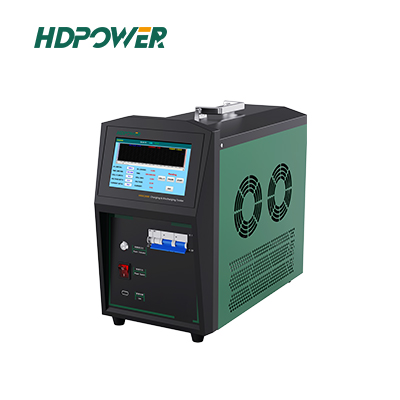
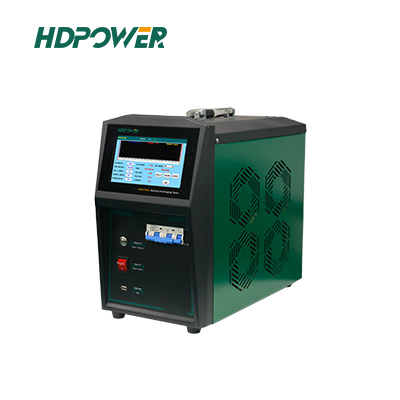
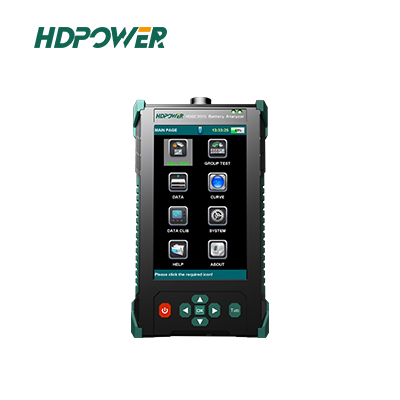
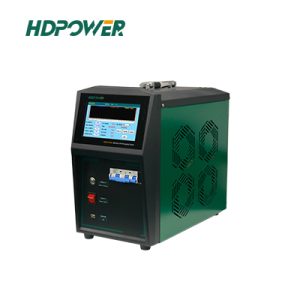
For a more detailed evaluation of battery performance after sulfation treatment, maintenance teams can use professional Battery Capacity Testing Equipment to conduct controlled discharge tests. By recording discharge current, terminal voltage, operating time, and delivered capacity, these instruments help engineers determine whether a treated battery has achieved measurable performance improvement. Comparing pre-treatment and post-treatment results also provides valuable data for maintenance planning and battery replacement decisions.
Temperature: Helps identify abnormal heating during charging, activation, or discharging.
For large battery banks, individual cell monitoring and comprehensive discharge records are particularly valuable.
Comparing test results before and after treatment helps maintenance teams determine whether a battery has achieved measurable improvement.
It also provides a more objective basis for deciding whether to continue using, monitor, or replace a battery.
-
HDGC3932: An Industrial Battery Activator for Lead Acid Battery Maintenance
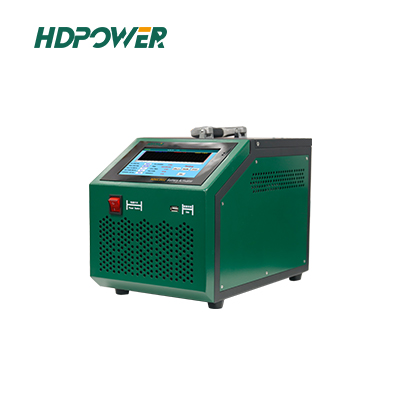
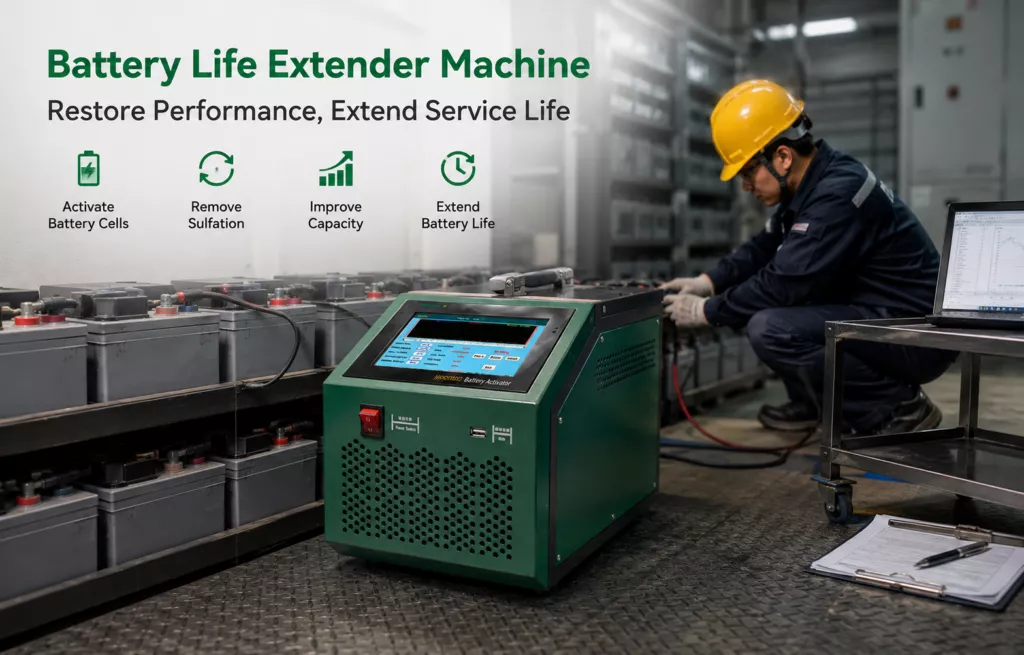
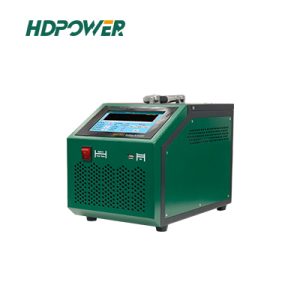
For industrial users who need a controlled approach to battery conditioning, the HDPOWER HDGC3932 Lead Acid Battery Activator provides an integrated solution for charging, discharging, and activation.
Designed for lead-acid battery maintenance, the HDGC3932 combines high-frequency, low-voltage, high-current activation technology with controlled charging and discharging functions.
Its operating capabilities support maintenance procedures for individual lead-acid batteries used in critical power applications.
Key features include:
Integrated Charging and Discharging Functions
The equipment supports charging, discharging, and repeated charge-discharge cycles.
These functions allow maintenance personnel to configure different operating procedures according to battery condition and maintenance requirements.
High-Frequency Activation Technology
The HDGC3932 uses high-frequency, low-voltage, high-current technology as part of its battery activation process.
This approach is designed to support the treatment of lead-acid batteries affected by recoverable sulfation and performance deterioration.
7-Inch Touchscreen Operation
The integrated 7-inch touchscreen provides an intuitive interface for configuring operating parameters, selecting test procedures, and monitoring equipment status.
Preset operating templates help simplify repeated maintenance operations.
Multiple Protection Functions
Built-in protection mechanisms help monitor operating conditions and reduce risks associated with abnormal operation.
Appropriate protection settings and operating procedures remain essential when working with industrial battery systems.
Parallel Operation and Data Management
The equipment supports parallel operation to accommodate higher-current requirements.
It also provides operating records and test reports, helping maintenance personnel document battery treatment procedures and review performance changes.
For technical specifications, configuration options, and application details, visit the official HDGC3932 Lead Acid Battery Activator product page.
-
Industrial Applications of Lead Acid Battery Sulfation Treatment
Industrial battery sulfation treatment is particularly relevant to facilities that depend on reliable standby DC power.
Substations and Power Plants
Substation DC battery banks provide backup power for protection relays, circuit breakers, control systems, and emergency operations.
Regular battery condition assessment and appropriate conditioning procedures help reduce the risk of unexpected battery failure.
Telecommunications Base Stations
Telecommunication facilities rely on standby batteries to maintain service during grid interruptions.
Because these batteries may remain on standby for extended periods, monitoring charging conditions and identifying early performance deterioration are important maintenance tasks.
Data Centers and UPS Systems
UPS battery systems provide temporary backup power during utility interruptions.
Battery degradation can reduce the available backup duration and affect the reliability of critical IT infrastructure.
Periodic battery testing helps operators identify weak batteries before they compromise system availability.
Rail Transit Systems
Rail transit facilities use DC backup batteries for signaling, control, communication, and emergency power applications.
A structured battery maintenance program helps ensure that these systems remain available when required.
Across these applications, the objective is not simply to activate a battery, but to maintain a reliable and verifiable backup power system.
-
Best Practices for Preventing Battery Sulfation
Preventive maintenance is generally more effective than waiting until battery performance has significantly deteriorated.
Industrial operators can reduce sulfation risks by implementing several practical measures.
Maintain Appropriate Charging Conditions
Use charging equipment configured according to battery manufacturer specifications. Avoid prolonged undercharging and unsuitable charging profiles.
Monitor Battery Voltage Regularly
Record total battery-bank voltage and individual cell voltages where appropriate. Investigate abnormal differences promptly.
Avoid Extended Deep Discharge
Do not allow batteries to remain discharged for unnecessarily long periods. Restore their charge according to the recommended operating procedure.
Control Operating Temperature
Maintain suitable environmental conditions and ensure adequate ventilation around battery installations.
Perform Periodic Capacity Verification
Use controlled discharge testing to evaluate actual battery performance rather than relying exclusively on open-circuit voltage measurements.
Maintain Complete Battery Records
Document charging parameters, discharge results, maintenance activities, and abnormal operating conditions. Historical data makes it easier to identify gradual performance deterioration.
A combination of preventive charging, regular inspection, and performance verification can significantly improve the management of industrial battery systems.
-
Conclusion: Choosing the Right Lead Acid Battery Sulfation Treatment Solution
Lead acid battery sulfation is a common contributor to battery performance deterioration, particularly in industrial backup power applications where batteries may experience prolonged standby operation or insufficient charging.
Although some sulfated batteries can benefit from controlled charging and conditioning procedures, treatment results depend on the battery’s actual condition. Severe corrosion, internal short circuits, and irreversible structural damage cannot be corrected simply through activation.
For industrial maintenance teams, an effective approach should combine early fault identification, appropriate treatment methods, controlled charge-discharge procedures, and post-treatment capacity verification.
The HDPOWER HDGC3932 Lead Acid Battery Activator integrates charging, discharging, and activation functions to support the maintenance of industrial lead-acid batteries.
For substations, telecommunications facilities, data centers, rail transit systems, and other critical power installations, selecting appropriate battery conditioning equipment can help improve maintenance efficiency and provide better visibility into battery operating conditions.
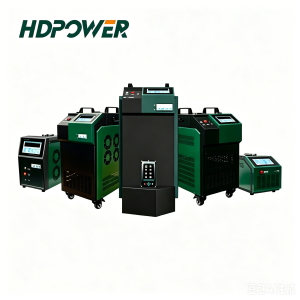
Explore the HDPOWER battery testing and maintenance solutions to find equipment suitable for your industrial battery management requirements.
Contact the HDPOWER technical team to discuss your battery type, maintenance requirements, and application conditions.