Introduction
Battery performance naturally declines over time. Many users notice that their batteries no longer provide the same backup time as before. Whether in UPS systems, telecommunications networks, data centers, solar energy storage systems, or industrial backup power applications, reduced battery runtime can lead to operational risks and unexpected downtime.
As a result, many maintenance engineers search for solutions related to battery timing increase, hoping to extend battery backup time and improve battery performance.
The good news is that reduced battery runtime does not always mean the battery must be replaced. In many cases, proper maintenance and battery activation technology can help recover performance and extend service life.
This article explains what causes battery runtime reduction, how battery activation works, and how professional maintenance can help increase battery timing and maximize battery value.
What Does Battery Timing Increase Mean?
The phrase battery timing increase generally refers to increasing the amount of time a battery can deliver power before reaching its discharge limit.
In practical terms, users may be looking for:
- Longer battery backup time
- Extended battery runtime
- Increased battery operating time
- Improved battery capacity
- Extended battery service life
For example, if a UPS battery originally provided 60 minutes of backup power but now only supports 35 minutes, the goal is to increase the runtime and restore its original performance.
Why Does Battery Runtime Decrease?
Battery runtime reduction is usually caused by one or more of the following factors:
-
Sulfation in Lead-Acid Batteries
Sulfation is one of the most common causes of battery degradation.
When batteries remain partially charged for extended periods, lead sulfate crystals form on the battery plates. These crystals reduce the battery’s ability to accept and deliver energy efficiently.
Consequences include:
- Reduced battery capacity
- Increased internal resistance
- Shorter discharge time
- Poor charging efficiency
-
Cell Imbalance
Battery strings often contain multiple cells connected in series.
Over time, individual cells may develop different voltages and capacities, causing:
- Uneven charging
- Premature discharge
- Reduced overall runtime
A single weak cell can significantly affect the performance of the entire battery bank.
-
Deep Discharge Damage
Frequent deep discharging accelerates battery aging.
Repeated deep discharge cycles can cause:
- Capacity loss
- Plate degradation
- Reduced energy storage capability
-
Aging and Internal Resistance Growth
As batteries age, internal resistance gradually increases.
Higher internal resistance leads to:
- Increased heat generation
- Lower discharge efficiency
- Reduced available capacity
- Shorter backup time
How Can Battery Timing Be Increased?
There are several effective methods for improving battery runtime.
Regular Capacity Testing
Battery capacity testing helps identify weak batteries before they fail.
Benefits include:
- Accurate battery health evaluation
- Early detection of aging cells
- Better maintenance planning
Capacity testing provides the most reliable indication of remaining battery performance.
Battery Equalization Maintenance
Equalization helps balance voltage differences between cells.
Advantages:
- Improved consistency
- Better charging efficiency
- Extended battery life
Balanced batteries can deliver power more effectively during discharge.
Battery Activation Technology
Battery activation is one of the most effective methods for restoring degraded lead-acid batteries.
Professional battery activators use controlled charging and discharging processes to:
- Reduce sulfation effects
- Restore electrochemical activity
- Improve capacity utilization
- Recover weak battery cells
In many maintenance applications, activated batteries demonstrate measurable improvements in runtime and performance.
What Is a Battery Activator?
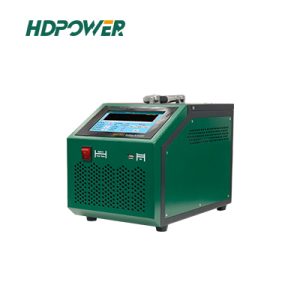
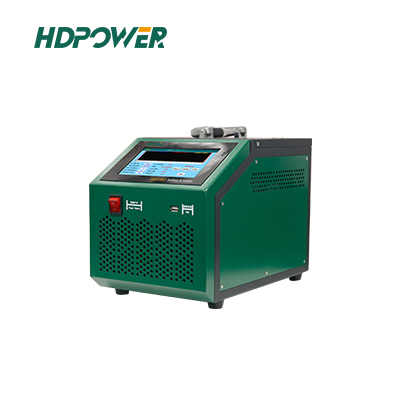
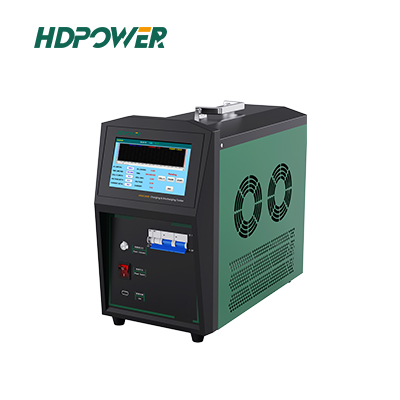
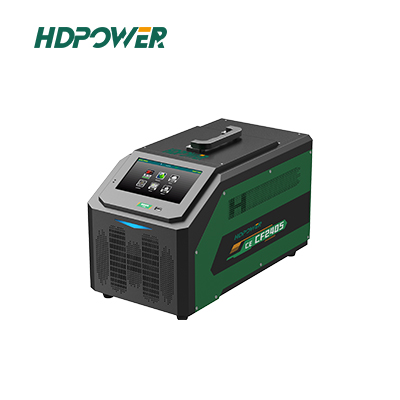
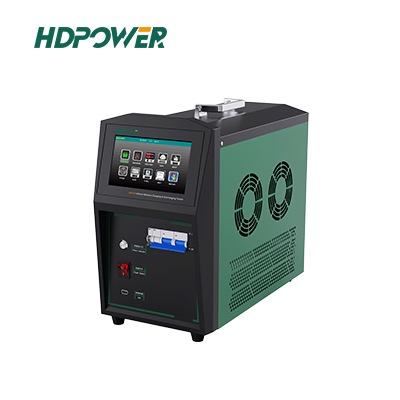
A battery activator is a professional maintenance device designed to restore battery performance and improve operational reliability.
It performs intelligent charging, discharging, and activation procedures that help:
- Recover battery capacity
- Reduce battery sulfation
- Improve charge acceptance
- Increase available discharge time
- Extend battery service life
Battery activators are widely used in:
- Data centers
- UPS systems
- Telecommunications stations
- Power utilities
- Rail transit systems
- Energy storage facilities
Benefits of Using a Battery Activator
Increased Battery Backup Time
Restoring battery capacity allows batteries to provide longer discharge durations.
Reduced Replacement Costs
Recovering existing batteries reduces the need for premature replacement.
Improved Battery Reliability
Activated batteries perform more consistently during critical backup events.
Extended Service Life
Regular activation maintenance helps maximize battery lifespan and investment value.
Industries That Benefit from Battery Runtime Improvement
UPS and Data Centers
Reliable backup power is critical for preventing data loss and service interruption.
Telecommunications
Communication networks depend on battery systems during utility power outages.
Renewable Energy Storage
Solar and wind energy systems require healthy batteries for efficient energy storage.
Power Utilities
Substations and control systems rely on dependable backup batteries for operational safety.
Frequently Asked Questions
Can battery activation restore all batteries?
No. Batteries with severe physical damage, plate corrosion, or end-of-life degradation may not be recoverable. However, many batteries affected by sulfation can achieve significant performance improvement through activation.
How much runtime improvement is possible?
The improvement depends on battery condition, age, and maintenance history. Batteries suffering from moderate sulfation often show noticeable capacity recovery after activation.
Is battery activation better than battery replacement?
Activation is often a cost-effective maintenance solution when batteries still have recoverable capacity. Replacement should be considered when batteries have reached the end of their service life.
How often should batteries be activated?
Maintenance schedules vary by application. Many operators perform periodic activation and capacity testing as part of preventive maintenance programs.
Conclusion
Battery runtime reduction is a common challenge in industrial power systems. In many cases, the issue is not permanent battery failure but performance degradation caused by sulfation, imbalance, or aging.
Through proper maintenance practices such as capacity testing, equalization, and professional battery activation, organizations can increase battery timing, improve backup performance, and extend battery service life.
For operators seeking to maximize battery reliability while reducing replacement costs, a professional Battery Activator provides an effective solution for restoring battery performance and improving overall system availability.