Introduction: Why Battery Capacity Check Matters for Reliable Power Systems
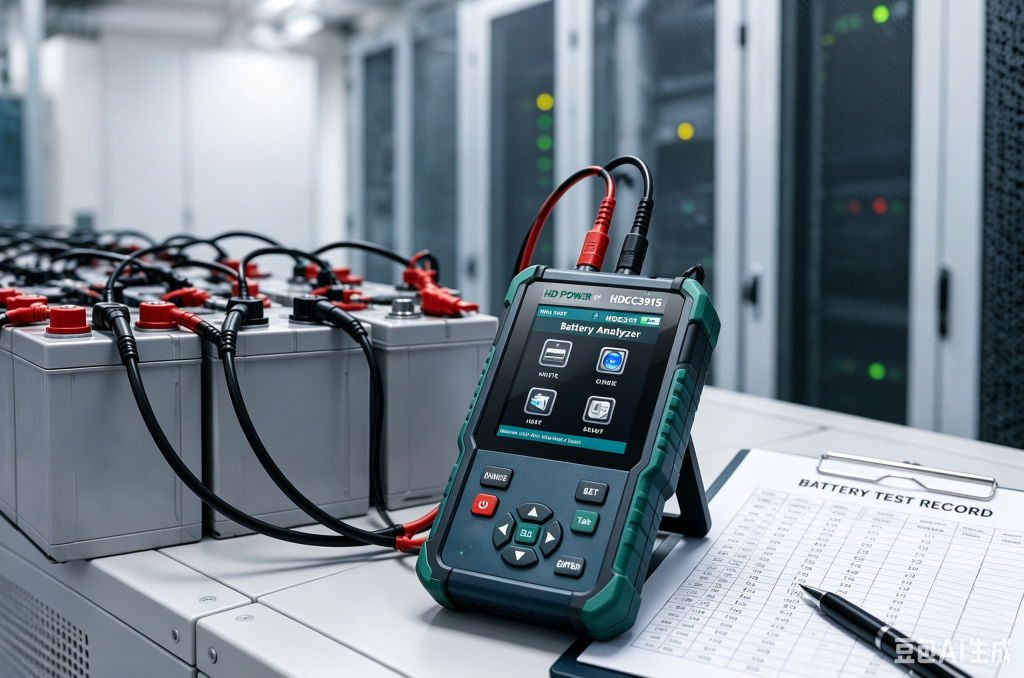
Batteries are the core energy storage components in many critical applications, including substations, UPS systems, telecom base stations, data centers, renewable energy storage systems, and industrial backup power supplies. Although a battery may show normal voltage during operation, its actual capacity can gradually decline due to aging, sulfation, improper charging, temperature changes, and long-term standby conditions.
A professional Battery Capacity Check is essential to determine whether a battery can still deliver the required backup power when an emergency occurs.
Unlike simple voltage measurement, battery capacity checking evaluates the actual energy output capability of a battery by measuring its discharge performance under controlled conditions. This helps maintenance teams identify weak batteries, prevent unexpected failures, and optimize battery replacement schedules.
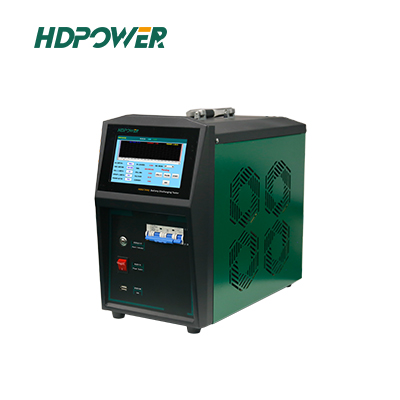
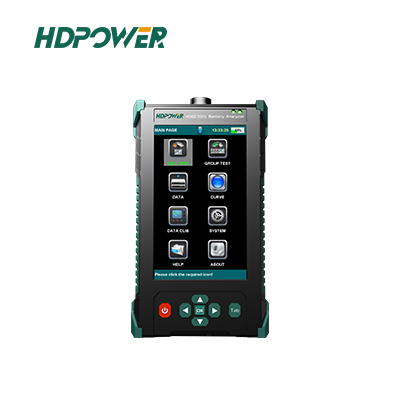
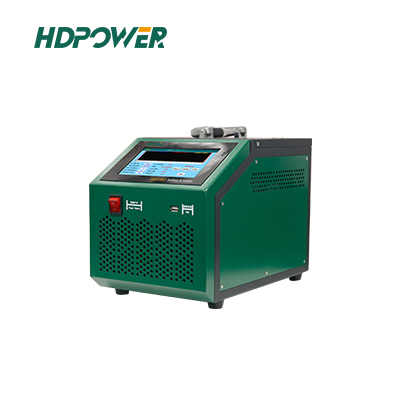
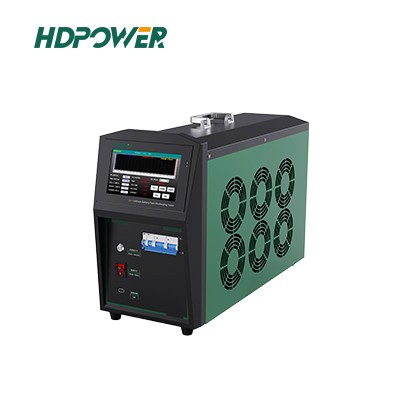
For industrial battery maintenance, using a reliable Battery Capacity Tester provides accurate capacity evaluation and supports data-driven maintenance decisions.
What Is Battery Capacity Check?
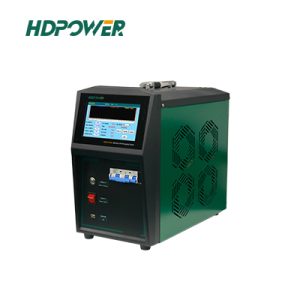
Battery Capacity Check is a testing process used to determine the available capacity of a battery compared with its rated capacity. Battery capacity is usually measured in ampere-hours (Ah), representing how much current a battery can deliver over a specific period.
During a capacity check, the battery is discharged at a controlled current until it reaches the specified end voltage. The discharged capacity is then calculated based on the current and discharge time.
The basic calculation formula is:
Battery Capacity (Ah) = Discharge Current (A) × Discharge Time (h)
For example, if a 100Ah battery continuously supplies 10A current for 8 hours before reaching the cutoff voltage, its actual capacity is approximately 80Ah.
This test provides a direct understanding of battery health and remaining service capability.
Why Perform Battery Capacity Check Regularly?
-
Identify Battery Aging and Capacity Loss
Battery aging is unavoidable. Over time, chemical degradation reduces active materials inside the battery, causing capacity decline.
Regular Battery Capacity Check helps maintenance engineers identify:
- Reduced battery capacity
- Weak cells in a battery string
- Abnormal discharge performance
- Potential failure risks
Early detection allows companies to replace only problematic batteries instead of replacing an entire battery system unnecessarily.
-
Ensure Backup Power Reliability
For critical facilities, battery failure can lead to serious consequences.
Applications such as:
- Substations
- UPS systems
- Telecom infrastructure
- Data centers
- Energy storage systems
require batteries to provide stable backup power during outages.
A professional battery capacity test verifies whether the battery system can meet actual backup time requirements.
-
Optimize Battery Maintenance Costs
Replacing batteries too early increases operating costs, while replacing them too late increases failure risks.
Battery Capacity Check provides accurate performance data, allowing operators to:
- Extend battery service life
- Plan preventive maintenance
- Reduce unnecessary replacement costs
- Improve system reliability
Battery Capacity Check Methods: Why Discharge Testing Is Essential
There are several ways to evaluate battery condition, including voltage measurement, internal resistance testing, and discharge testing.
However, voltage alone cannot represent actual battery capacity. A battery may show normal voltage while having significantly reduced available energy.
A professional Battery Load Tester performs controlled discharge testing to measure the real output capability of the battery.
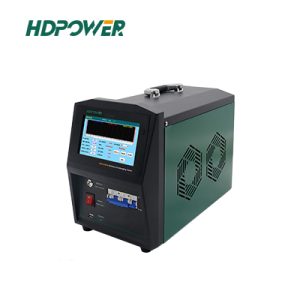
During a discharge test, the equipment controls:
- Discharge current
- Discharge power
- Test duration
- Cut-off voltage
- Capacity calculation
This makes discharge testing the most reliable method for verifying battery capacity.
Battery Capacity Check vs Battery Voltage Test: What Is the Difference?
Many users check battery voltage as a quick maintenance method. However, voltage testing only reflects the electrical potential of the battery at a specific moment.
Testing Method What It Shows
Voltage Test Battery voltage status
Internal Resistance Test Battery aging condition
Capacity Check Actual energy output capability
For comprehensive battery maintenance, combining capacity testing with internal resistance analysis provides a more complete understanding of battery health.
A Battery Internal Resistance Tester can help identify abnormal cells with increased internal resistance before capacity failure occurs.
How Does a Battery Capacity Tester Perform Capacity Check?
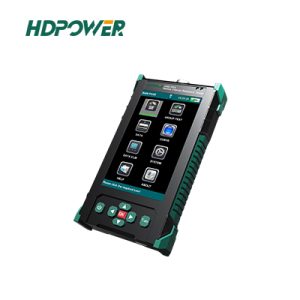
A professional Battery Capacity Tester usually integrates charging, discharging, monitoring, and data analysis functions.
The typical testing process includes:
Step 1: Connect the Battery System
The tester is connected to the battery terminals or battery bank according to the rated voltage and capacity requirements.
Step 2: Set Testing Parameters
Operators can configure:
- Discharge current
- Discharge power
- Test time
- End voltage
- Battery capacity rating
Step 3: Start Controlled Discharge
The equipment applies a stable load and records real-time parameters including:
- Voltage
- Current
- Capacity
- Discharge time
- Battery performance curve
Step 4: Analyze Test Results
After completion, the tester generates detailed results to determine whether the battery meets maintenance requirements.
Applications of Battery Capacity Check
Substation Battery Maintenance
DC systems in substations require reliable batteries for protection, control, and emergency operations.
Battery Capacity Check helps power companies verify battery bank performance and ensure continuous operation.
UPS Battery Testing
UPS systems depend on batteries during power interruptions. Regular capacity testing prevents unexpected backup failures in critical facilities.
Telecom Base Station Maintenance
Communication networks require stable backup batteries. Capacity testing helps operators monitor battery degradation and maintain network reliability.
Energy Storage Systems
Battery capacity evaluation is important for verifying storage system performance and optimizing lifecycle management.
Why Choose HDPOWER Battery Capacity Tester for Battery Capacity Check?
HDPOWER Battery Capacity Tester is designed for professional battery maintenance applications with accurate measurement, intelligent control, and reliable performance.
Key advantages include:
- Accurate battery capacity evaluation through controlled discharge testing
- Support for different battery voltage levels and capacities
- Real-time monitoring of voltage, current, and capacity data
- Automatic calculation and test report generation
- Suitable for lead-acid battery and industrial backup power applications
- Improved maintenance efficiency and reduced operating costs
With advanced testing technology, HDPOWER helps users quickly identify battery performance problems and maintain reliable power systems.
Conclusion: Accurate Battery Capacity Check Ensures Reliable Battery Performance
Battery failure often occurs without obvious warning. Regular Battery Capacity Check is one of the most effective methods to understand battery health, verify backup capability, and prevent unexpected downtime.
Compared with simple voltage measurement, professional capacity testing provides real discharge data and helps maintenance teams make accurate decisions.
For companies managing critical battery systems, investing in reliable battery testing equipment is essential for improving safety, reducing maintenance costs, and extending battery service life.
HDPOWER provides professional battery testing solutions including Battery Capacity Tester, discharge testing equipment, and battery condition analysis tools to support reliable battery maintenance worldwide.