Introduction
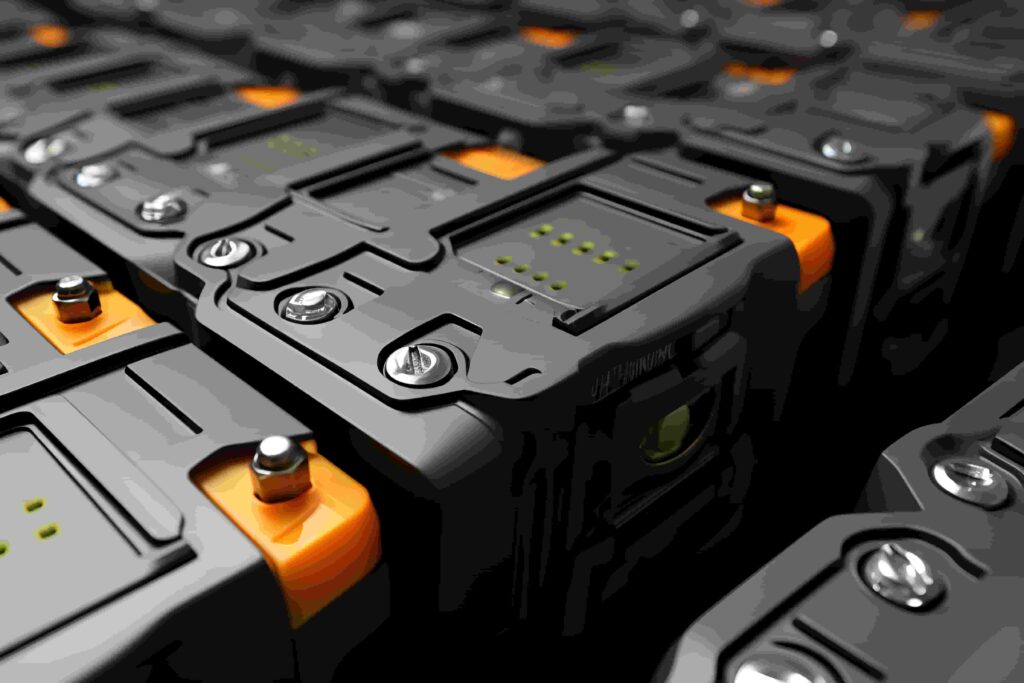
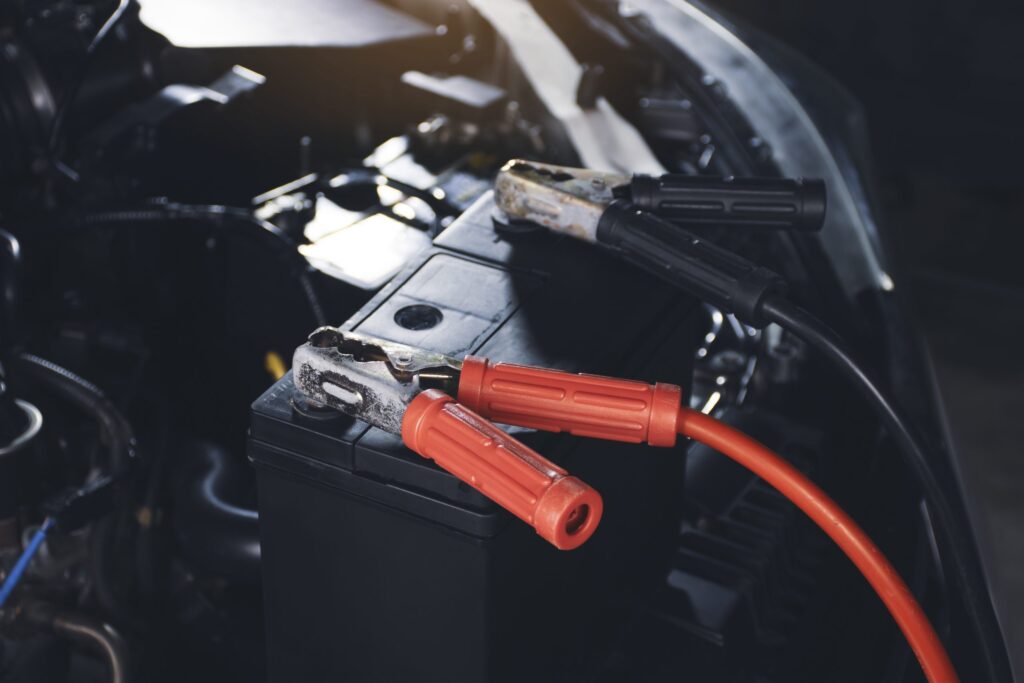
Battery performance directly affects the reliability and safety of power systems, energy storage solutions, electric vehicles, and industrial equipment. As batteries experience repeated charging and discharging cycles, their actual capacity gradually decreases due to aging, internal resistance growth, environmental conditions, and improper maintenance.
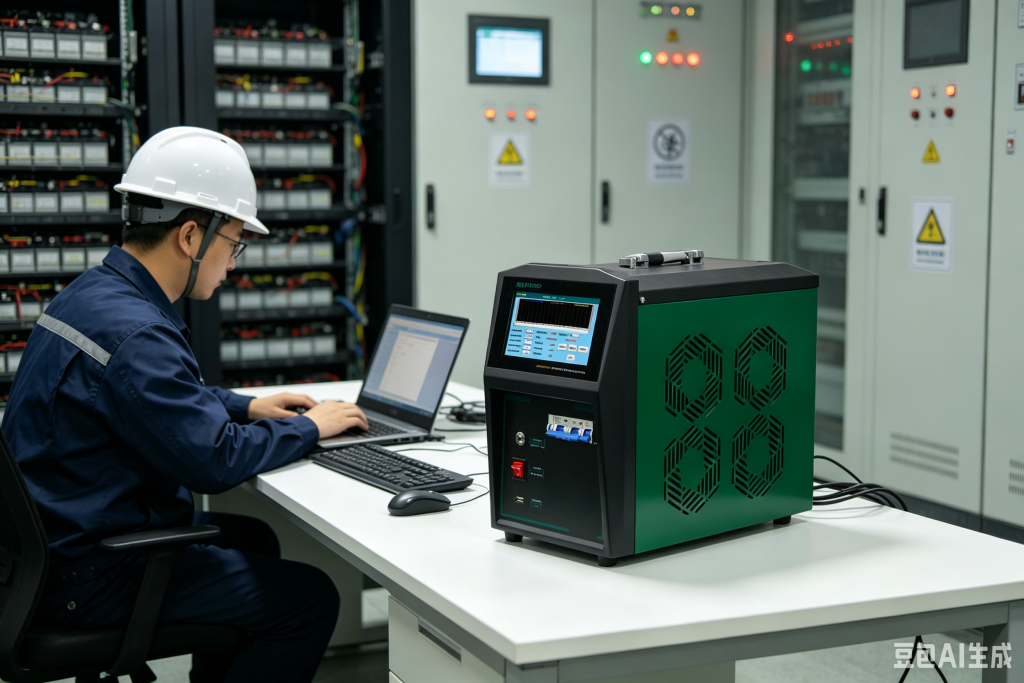
To ensure battery reliability, manufacturers and maintenance engineers need professional Battery Capacity Tester equipment to accurately measure available capacity, evaluate battery health, and identify potential performance issues before failures occur.
Unlike simple voltage measurement tools, advanced battery capacity testing equipment analyzes the complete charging and discharging process. It provides detailed data including voltage variation, discharge current, capacity loss, energy output, and battery performance trends.
For industries such as telecommunications, UPS systems, renewable energy storage, electric vehicles, and battery recycling, accurate capacity testing is essential for improving operational safety, reducing maintenance costs, and extending battery service life.
What Is Battery Capacity Test Equipment?
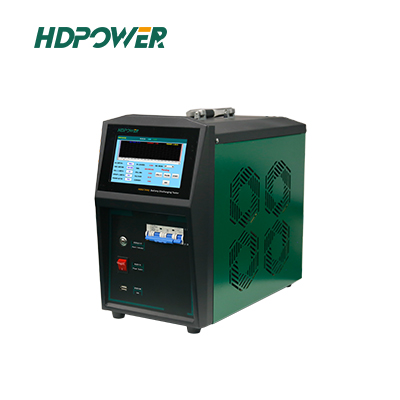
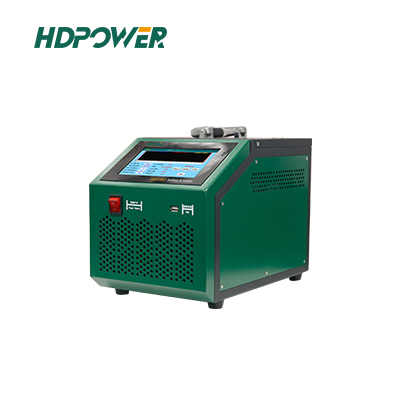
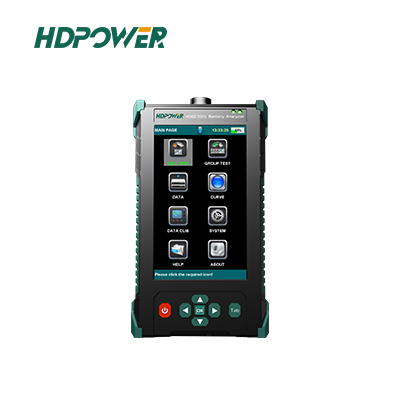
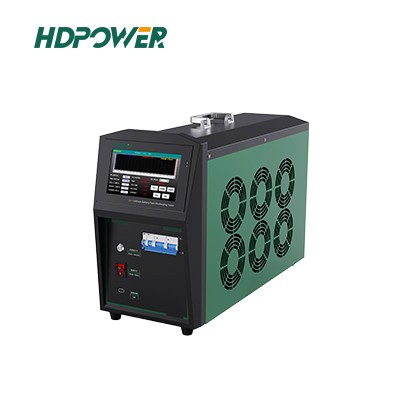
Battery Capacity Test Equipment is a professional testing system designed to measure the actual energy storage capability of batteries under controlled conditions.
Battery capacity is usually measured in ampere-hours (Ah) or watt-hours (Wh), representing how much energy a battery can provide during operation. Through controlled charging and discharging processes, the equipment evaluates whether a battery can meet its designed performance requirements.
A complete battery capacity testing system typically includes:
- Programmable charging and discharging control
- Constant current and constant power testing modes
- Voltage and current measurement functions
- Real-time data recording
- Capacity calculation and analysis software
- Safety protection systems
Compared with traditional manual testing methods, modern battery capacity test equipment provides higher accuracy, better repeatability, and automatic test reports, making it suitable for large-scale battery inspection and maintenance.
Why Battery Capacity Testing Is Important
Battery capacity is one of the most important indicators of battery condition. Even when a battery shows normal voltage, its actual capacity may have significantly decreased.
Regular capacity testing helps companies:
- Identify Battery Aging Problems
Battery degradation often happens gradually. Capacity testing can detect reduced energy output caused by:
- Electrode aging
- Sulfation in lead acid batteries
- Cell imbalance
- Increased internal resistance
- Improper charging conditions
Early detection allows maintenance teams to replace or repair batteries before unexpected downtime occurs.
- Improve Battery Maintenance Efficiency
For large battery systems, replacing all batteries regularly can create unnecessary costs.
By using professional battery capacity test equipment, engineers can classify batteries according to actual performance and determine whether they require:
- Continued operation
- Maintenance charging
- Activation treatment
- Replacement
This approach reduces operating expenses and improves battery lifecycle management.
- Verify Battery Quality Before Delivery
Battery manufacturers and distributors use capacity testing to verify whether products meet technical specifications before shipment.
Capacity testing is commonly applied during:
- Production inspection
- Quality control
- Sample testing
- Battery matching
- Research and development
How Does Battery Capacity Test Equipment Work?
Battery capacity testing is mainly based on controlled charging and discharging. The equipment applies specific current or power conditions to the battery while continuously monitoring electrical parameters.
During testing, the system records:
- Charging voltage
- Discharging voltage
- Current changes
- Operating time
- Released capacity
- Energy output
A professional Battery Charge Discharge Tester can automatically control charging and discharging procedures while collecting real-time data. This allows engineers to evaluate battery performance under simulated operating conditions.
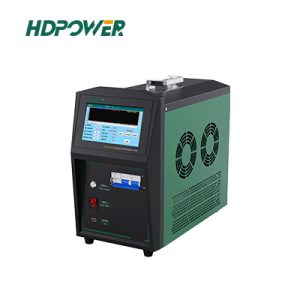
The typical testing process includes:
Step 1: Battery Charging
The battery is charged according to preset parameters. The system controls charging voltage and current to ensure stable and safe charging.
Step 2: Battery Discharging
After charging is completed, the equipment discharges the battery at a controlled current or power level.
Step 3: Data Analysis
The system calculates actual capacity based on discharge time, current, and voltage changes.
Step 4: Test Report Generation
Advanced systems can automatically generate test reports containing:
- Capacity results
- Voltage curves
- Current curves
- Battery status information
Battery Capacity Testing Process and Key Parameters
A reliable capacity test requires accurate measurement and stable control.
The main testing parameters include:
Discharge Current
Discharge current directly affects the test result. Different applications require different discharge rates.
For example:
- UPS batteries may require long-duration discharge testing
- EV batteries may require high-current testing
- Energy storage batteries may require simulated operating conditions
Voltage Monitoring
Voltage changes during discharge provide important information about battery condition.
Abnormal voltage drops may indicate:
- Battery aging
- Cell damage
- Internal resistance increase
- Poor consistency between cells
Capacity Calculation
The actual battery capacity is calculated by analyzing the relationship between discharge current and discharge time.
A professional Battery Discharge Tester provides accurate discharge control and measurement, helping engineers obtain reliable capacity evaluation results.
Applications of Battery Capacity Test Equipment
Battery capacity testing equipment is widely used across multiple industries.
UPS and Data Center Battery Testing
UPS systems require reliable backup batteries to prevent power interruptions.
Regular capacity testing helps data centers and telecom facilities:
- Maintain backup power reliability
- Predict battery replacement cycles
- Reduce unexpected failures
Telecom Battery Maintenance
Communication base stations often use large battery banks as backup power sources.
Battery capacity testing helps technicians evaluate battery conditions remotely or during scheduled maintenance.
Energy Storage System Testing
With the rapid development of renewable energy, large-scale energy storage systems require accurate battery monitoring.
Capacity testing helps evaluate:
- Battery consistency
- Remaining useful life
- Energy efficiency
- System reliability
Battery Manufacturing and Recycling
Battery manufacturers use capacity testing during production quality control.
Battery recycling companies also use testing equipment to determine whether used batteries can be:
- Reused
- Repaired
- Repurposed for secondary applications
Lithium Battery Capacity Testing Requirements
Lithium batteries are widely used in electric vehicles, portable devices, and energy storage systems. Compared with traditional lead acid batteries, lithium batteries require more accurate testing methods due to their higher energy density and complex battery management systems.
A professional Lithium Battery Tester helps engineers evaluate:
- Lithium battery capacity
- Cell consistency
- Charging efficiency
- Discharging performance
- Battery aging condition
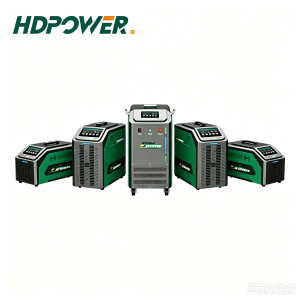
For lithium battery packs, testing equipment should support different battery chemistries, including:
- Lithium iron phosphate (LiFePO4)
- Lithium nickel manganese cobalt oxide (NMC)
- Other lithium-ion battery types
Accurate lithium battery testing improves product quality and ensures safer operation in demanding applications.
How to Choose the Right Battery Capacity Test Equipment?
When selecting battery capacity testing equipment, companies should consider several important factors.
- Voltage Range
The equipment should support the voltage levels required for different battery systems.
Applications may include:
- Single cells
- Battery modules
- Battery packs
- Industrial battery banks
- Current Capability
Different batteries require different discharge currents.
High-current applications such as EV batteries and industrial energy storage systems require equipment with strong load capability.
- Battery Compatibility
A versatile system should support multiple battery types, including:
- Lead acid batteries
- Lithium batteries
- Energy storage batteries
- Industrial backup batteries
- Data Management Functions
Modern battery testing equipment should provide:
- Automatic data recording
- Test curve display
- Report export
- Remote monitoring capability
These functions improve testing efficiency and simplify maintenance management.
Why Choose HDPOWER Battery Capacity Test Equipment?
HDPOWER develops professional battery testing solutions for industrial applications, including battery capacity testing, charge and discharge analysis, internal resistance measurement, and battery maintenance.
Our battery testing equipment is designed for:
- Power utilities
- Telecom operators
- Energy storage companies
- Battery manufacturers
- EV service providers
With advanced control technology, accurate measurement systems, and user-friendly operation interfaces, HDPOWER helps customers improve battery reliability and reduce maintenance costs.
Whether for production testing, maintenance inspection, or battery lifecycle management, reliable battery capacity testing equipment provides essential data support for better decision-making.
Conclusion
Battery capacity testing plays a critical role in ensuring battery reliability, safety, and long-term performance.
Professional Battery Capacity Test Equipment allows companies to accurately evaluate battery conditions, optimize maintenance strategies, and prevent unexpected failures.
From UPS systems and telecom networks to lithium battery packs and energy storage applications, accurate capacity testing helps organizations maximize battery value and improve operational efficiency.
Choosing the right testing equipment with reliable measurement accuracy, flexible application support, and intelligent data management is the key to achieving effective battery lifecycle management.