Introduction: Why a Reliable Battery Charging System Matters
Lead acid batteries remain one of the most widely used energy storage solutions in UPS systems, telecommunications, substations, power plants, railway systems, and industrial backup power applications. Although these batteries are known for their durability and cost-effectiveness, proper charging management plays a critical role in maintaining battery performance and extending service life.
A professional Battery Charging System is designed to provide stable, accurate, and intelligent charging control for lead acid batteries. Unlike conventional chargers that only deliver constant current or voltage, modern charging systems optimize charging parameters according to battery conditions, reducing overcharging, undercharging, and premature battery degradation.
For industries that rely on uninterrupted power supply, choosing the right charging solution is not only about restoring battery energy but also about ensuring operational safety, reducing maintenance costs, and improving overall system reliability.
What Is a Battery Charging System for Lead Acid Batteries?
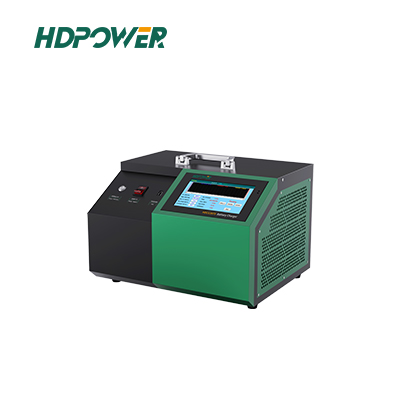
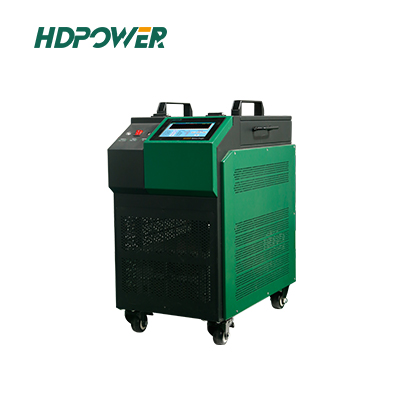
A Battery Charging System is an integrated device that manages the charging process of lead acid batteries through controlled voltage, current, and charging stages.
Lead acid batteries typically require multiple charging phases, including:
- Bulk charging stage
- Absorption charging stage
- Float charging stage
- Equalization charging stage
A high-quality charging system automatically controls these processes to ensure batteries receive the correct charging current without causing excessive heat generation or electrolyte loss.
For applications such as UPS backup systems and industrial power supplies, an advanced charging system helps maintain batteries in optimal standby conditions and ensures immediate availability during power interruptions.
Key Features of an Industrial Battery Charging System
Modern industrial battery charging solutions are designed with advanced control technology to meet demanding operating environments.
- Intelligent Charging Control
Traditional chargers often use fixed charging parameters, which may not be suitable for batteries with different capacities or aging conditions.
An intelligent system adjusts charging voltage and current automatically based on battery status, improving charging efficiency and protecting battery health.
For large-scale applications, an Industrial Battery Charger provides stable output performance and supports continuous operation in harsh industrial environments.
- Support for Multiple Lead Acid Battery Types
A professional charging system should be compatible with various lead acid battery technologies, including:
- Flooded lead acid batteries
- VRLA batteries
- AGM batteries
- Gel batteries
Different battery types require different charging strategies. Using an unsuitable charger may shorten battery lifespan or reduce available capacity.
Therefore, selecting a flexible charging solution is essential for companies managing different battery systems.
- High Reliability for Critical Applications
In industries such as power generation, telecommunications, and transportation, battery systems must operate continuously.
A reliable charging system usually includes:
- Over-voltage protection
- Over-current protection
- Short-circuit protection
- Temperature compensation
- Automatic fault detection
These safety functions help prevent battery damage and improve system availability.
Battery Charging System Applications
UPS Backup Power Systems
UPS systems depend on batteries to provide emergency power during electrical failures. A stable charging system keeps backup batteries fully charged and ready for immediate operation.
Data centers, hospitals, financial institutions, and communication networks commonly use industrial charging solutions to maintain critical power infrastructure.
Telecommunications Infrastructure
Telecom base stations often use lead acid batteries as backup energy storage. Since these sites may operate in remote locations, battery charging equipment must provide reliable long-term performance with minimal maintenance.
A suitable charging solution helps reduce downtime and ensures continuous communication services.
Power Plants and Substations
Substations require highly reliable DC power systems for protection, control, and switching operations.
A dedicated battery charging system maintains DC battery banks and ensures emergency power availability when the main power supply fails.
How Does a Battery Charging System Extend Lead Acid Battery Life?
Battery lifespan is affected by many factors, including charging method, operating temperature, discharge depth, and maintenance quality.
A properly designed charging system helps extend battery life through:
Preventing Overcharging
Excessive charging voltage can cause electrolyte loss, corrosion, and battery overheating.
Intelligent charging control prevents unnecessary stress on battery plates.
Avoiding Undercharging
Long-term undercharging may lead to sulfation, reducing battery capacity and performance.
A suitable charging system maintains batteries at the correct charge level and reduces capacity loss.
For severely aged lead acid batteries, combining charging technology with a Battery Activator can help restore battery performance by reducing sulfation and improving internal chemical activity.
Maintaining Battery Balance
Battery banks often consist of multiple batteries connected in series or parallel. Differences between individual batteries may cause uneven charging.
A Battery Equalizer can help balance voltage differences between batteries and improve overall battery bank consistency.
Battery Charging System vs Traditional Battery Charger
Many users still rely on standard chargers, but industrial applications require more advanced solutions.
| Feature | Traditional Charger | Battery Charging System |
| Charging Control | Basic | Intelligent |
| Battery Monitoring | Limited | Real-time monitoring |
| Protection Functions | Basic | Multiple protections |
| Industrial Applications | Limited | Designed for continuous operation |
| Battery Management | Manual | Automatic |
For commercial and industrial users, investing in a complete charging system can significantly reduce maintenance frequency and improve battery reliability.
Importance of Battery Testing During Charging System Maintenance
Charging performance alone cannot fully determine battery condition. Regular battery testing is necessary to identify aging batteries before failures occur.
A professional maintenance process usually includes:
- Voltage measurement
- Internal resistance testing
- Capacity verification
- Charge and discharge testing
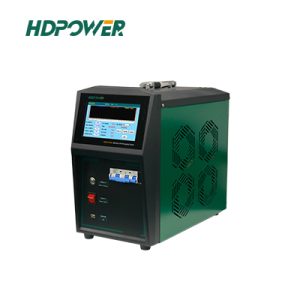
A Battery Capacity Tester helps evaluate the actual available capacity of lead acid batteries and identifies batteries that cannot provide sufficient backup power.
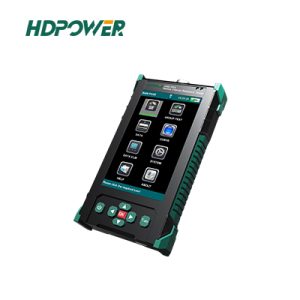
Meanwhile, a Battery IR Tester measures internal resistance changes, which are important indicators of battery aging and internal damage.
Combining charging equipment with testing instruments creates a complete battery maintenance strategy.
How to Choose the Right Battery Charging System?
When selecting a charging system for lead acid batteries, consider the following factors:
- Battery Voltage and Capacity
The charger must match the battery bank voltage, including:
- 12V systems
- 24V systems
- 48V systems
- Customized industrial battery banks
The charging current should also match battery capacity to ensure safe and efficient charging.
- Application Environment
Different industries have different requirements.
For example:
- Telecom sites require stable long-term operation.
- Power plants require high reliability.
- Data centers require continuous backup availability.
- Industrial facilities require durable equipment.
Choosing the right charging solution according to application conditions can improve system performance.
- Maintenance Requirements
For companies managing large battery fleets, equipment with monitoring functions and automatic reporting can greatly reduce maintenance workload.
A complete battery management solution may include charging, testing, and battery restoration equipment.
Why Choose HDPOWER Battery Charging Solutions?
HDPOWER focuses on providing professional battery maintenance and testing solutions for industrial applications.
Our battery solutions are designed for:
- Power systems
- Telecommunications
- UPS applications
- Energy storage systems
- Industrial backup power
Besides charging solutions, HDPOWER also provides complete battery maintenance equipment, including battery testing, activation, and balancing solutions.
With advanced control technology and reliable performance, HDPOWER helps customers improve battery availability, reduce replacement costs, and extend battery service life.
Conclusion
A reliable Battery Charging System is essential for maintaining the performance and safety of lead acid batteries used in critical power applications.
Compared with traditional charging methods, modern industrial charging systems provide intelligent control, improved protection, and better battery management.
By combining charging technology with battery testing and maintenance equipment, businesses can build a complete battery reliability strategy and minimize unexpected power failures.
For organizations that depend on backup power systems, selecting a professional battery charging solution is an important investment in long-term operational stability.