Introduction
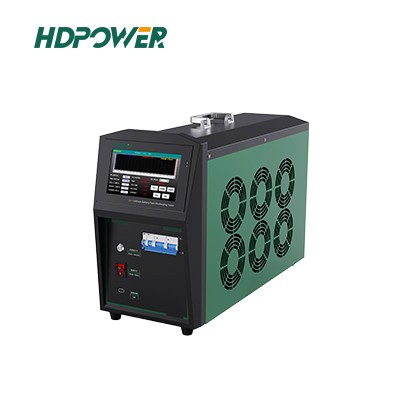
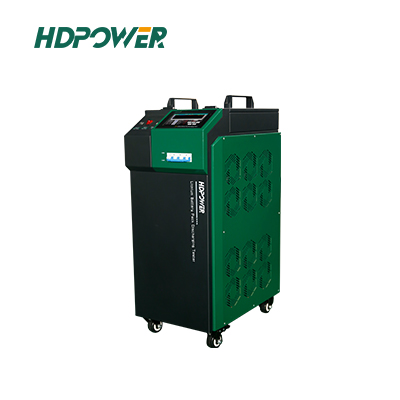
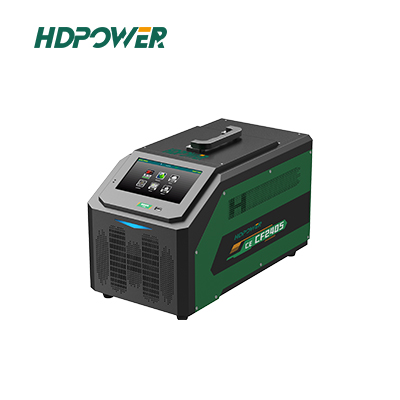
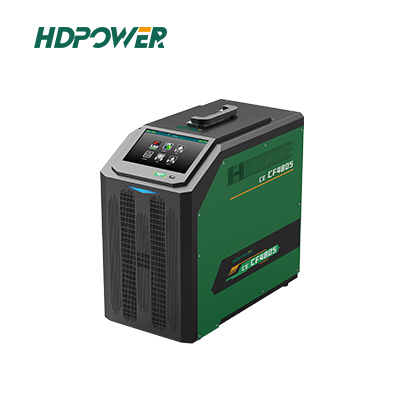
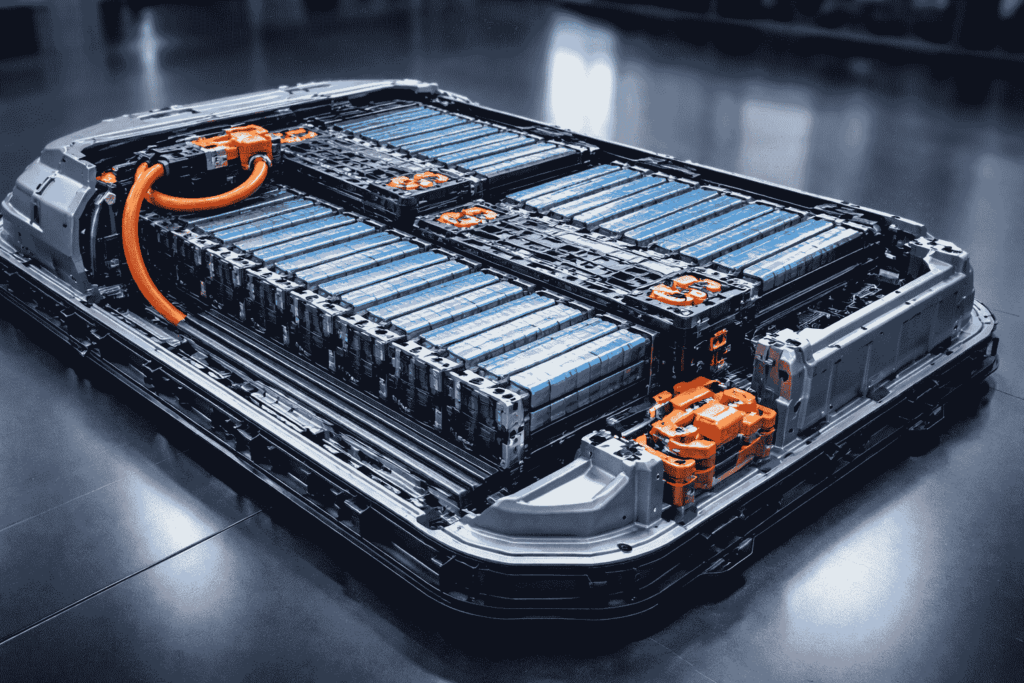
As lithium-ion batteries become the primary power source for electric vehicles (EVs), energy storage systems (ESS), telecom backup power, and industrial equipment, ensuring their performance and safety has never been more important. One of the most effective ways to evaluate battery health is by using a Li ion Battery Capacity Tester.
Capacity testing goes beyond measuring voltage. It determines how much usable energy remains in a battery pack, helping engineers, maintenance teams, and recycling companies make informed decisions about battery maintenance, reuse, or replacement.
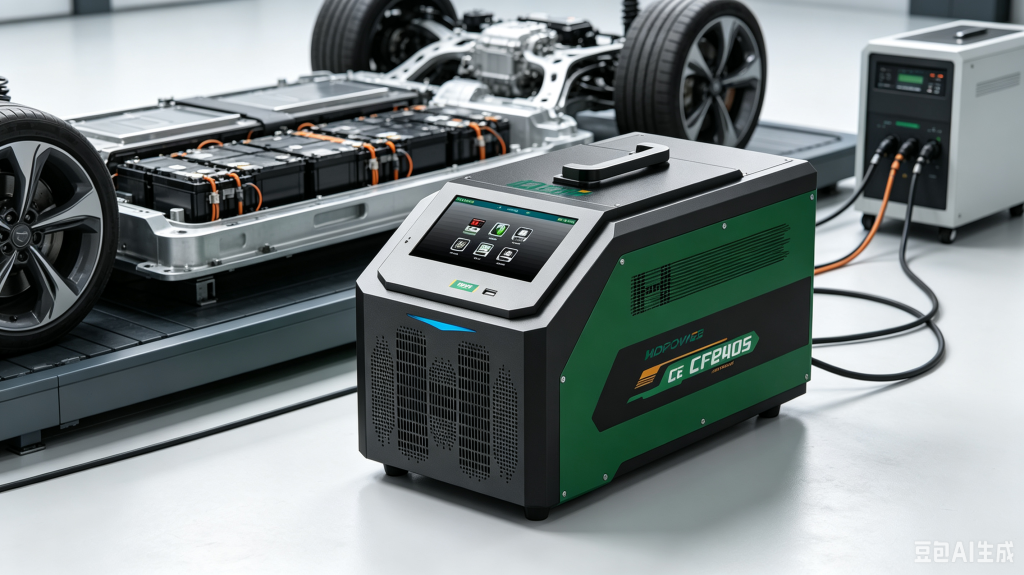
A Lithium Battery Pack Discharge Tester is one of the most important tools in this process. By performing controlled discharge tests, it accurately measures battery capacity while ensuring safe operation and complete data recording.
In this article, we’ll explain how Li-ion battery capacity testing works, why it matters, and how to choose the right equipment for your application.
What Is a Li ion Battery Capacity Tester?
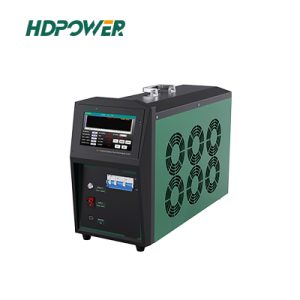
A Li ion Battery Capacity Tester is a professional testing instrument used to determine the actual available capacity of lithium-ion batteries by performing a controlled discharge process.
Unlike a multimeter that only measures voltage, a capacity tester evaluates the battery’s real performance by recording:
- Available Capacity (Ah)
- Energy Output (Wh)
- Discharge Time
- Voltage Curve
- Current Stability
- Remaining Capacity
- Battery Health
This data provides a much clearer picture of battery condition than voltage readings alone.
Why Capacity Testing Is Essential
Lithium batteries gradually lose capacity as they age. Factors such as charging cycles, high temperatures, overcharging, deep discharging, and storage conditions all contribute to battery degradation.
Regular capacity testing helps businesses:
- Detect aging batteries before failure
- Improve maintenance efficiency
- Extend battery service life
- Reduce unexpected downtime
- Improve battery safety
- Optimize battery replacement schedules
- Evaluate batteries for second-life applications
- Increase battery recycling value
Whether managing hundreds of battery packs in an ESS installation or inspecting retired EV batteries, capacity testing is critical for reliable decision-making.
How Does a Lithium Battery Pack Discharge Tester Measure Capacity?
A professional Lithium Battery Pack Discharge Tester performs a carefully controlled discharge while continuously monitoring battery performance.
The testing process typically includes:
- Battery Inspection
Before testing begins, the system checks:
- Battery voltage
- Connection status
- Battery polarity
- Safety conditions
- Parameter Configuration
Users configure:
- Constant Current (CC)
- Constant Power (CP)
- Cutoff Voltage
- Test Duration
- Data Recording Interval
- Controlled Battery Discharge
The tester safely discharges the battery while recording:
- Voltage
- Current
- Capacity
- Energy
- Time
- Temperature (if supported)
This controlled process produces highly accurate capacity measurements without damaging the battery.
- Automatic Report Generation
After testing, the software automatically generates detailed reports including:
- Capacity Results
- Voltage Curves
- Discharge Curves
- Test Logs
- Historical Comparisons
These reports simplify quality inspection and maintenance management.
Applications of Li ion Battery Capacity Testers
EV Battery Manufacturing
Battery manufacturers verify battery packs before vehicle delivery.
Energy Storage Systems (ESS)
Routine capacity testing helps prevent unexpected failures in large battery banks.
Battery Recycling
Capacity testing determines whether retired batteries are suitable for reuse, refurbishment, or recycling.
Battery Repair Centers
Technicians evaluate battery condition before maintenance or replacement.
Research Laboratories
Researchers analyze battery performance under different operating conditions.
Telecom Backup Batteries
Capacity testing ensures backup batteries remain ready during power outages.
Why a Lithium Battery Pack Discharge Tester Is Important
A Lithium Battery Pack Discharge Tester provides much more than simple discharge capability.
Its advantages include:
- Accurate capacity measurement
- Stable constant current discharge
- Constant power discharge
- Automatic capacity calculation
- Real-time monitoring
- Safe battery discharge
- Data export
- Repeatable testing conditions
These capabilities make it indispensable for professional battery testing.
Key Features to Look for in a Li ion Battery Capacity Tester
When choosing a testing system, consider the following features:
Wide Voltage Range
Supports multiple lithium battery pack configurations.
Multiple Discharge Modes
- Constant Current
- Constant Power
- Custom Discharge Profiles
High Measurement Accuracy
Accurate voltage and current sampling ensures reliable capacity calculations.
Intelligent Safety Protection
Professional equipment should include:
- Overcurrent Protection
- Overvoltage Protection
- Reverse Polarity Protection
- Short Circuit Protection
- Overtemperature Protection
Intelligent Data Management
Automatic storage and export simplify quality traceability.
Easy-to-Use Interface
A touchscreen interface reduces operator training and improves efficiency.
Improve Test Accuracy with Battery Balancing
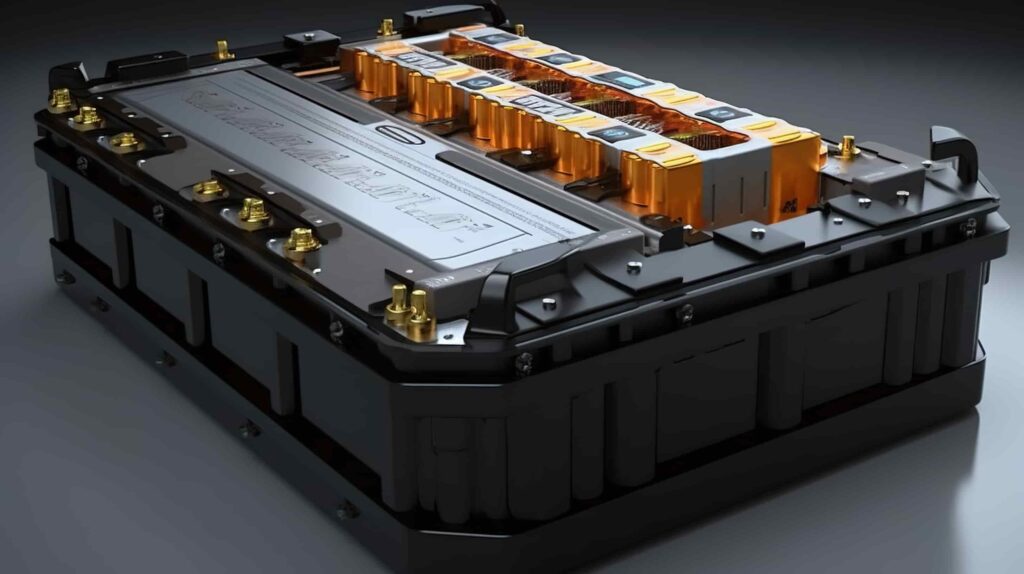
Battery packs consist of multiple cells connected in series. If one cell has a lower voltage than the others, the entire pack may reach its cutoff voltage early, resulting in an underestimated capacity measurement.
Before conducting capacity tests, many maintenance teams use a Battery Equalizer to balance cell voltages. Proper balancing improves test consistency, enhances battery performance, and helps maximize the usable capacity of the battery pack.
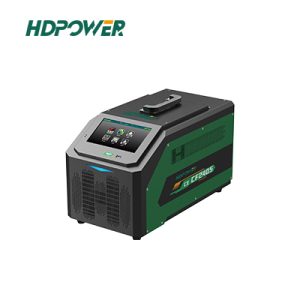
Why Use a Professional Lithium Battery Discharger?
A dedicated Lithium Battery Discharger provides precise control over the discharge process, ensuring accurate capacity measurements while protecting batteries from excessive current or over-discharge.

Compared with improvised resistive loads, professional discharge equipment offers:
- Programmable discharge profiles
- Stable electronic loads
- Automatic cutoff protection
- Real-time monitoring
- Data logging
- Higher testing efficiency
- Improved operator safety
These features are especially valuable in EV battery maintenance, energy storage systems, and battery recycling facilities.
Complete Your Workflow with Professional Lithium Battery Test Equipment
Capacity testing is most effective when integrated into a complete diagnostic process. Modern Lithium Battery Test Equipment combines multiple functions—including voltage measurement, discharge testing, data analysis, and safety monitoring—to provide a comprehensive evaluation of battery health.
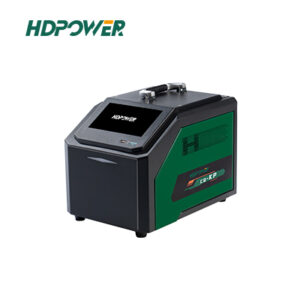
Using integrated test equipment allows technicians to:
- Improve diagnostic accuracy
- Reduce testing time
- Standardize maintenance procedures
- Generate detailed reports for traceability
- Support predictive maintenance programs
For organizations handling large volumes of battery packs, integrated testing solutions significantly improve operational efficiency and quality control.
Industries That Benefit from Capacity Testing
Professional Li-ion battery capacity testers are widely used in:
- Electric Vehicle Manufacturing
- Battery Recycling Plants
- Energy Storage Systems
- UPS Maintenance
- Telecom Infrastructure
- Battery Refurbishment Centers
- Industrial Equipment Maintenance
- Battery Research Laboratories
- Renewable Energy Projects
- Battery Production Lines
Frequently Asked Questions
Can a Li ion Battery Capacity Tester test different lithium battery chemistries?
Yes. Most professional testers support lithium iron phosphate (LiFePO₄), NMC, NCA, LTO, and other common lithium battery chemistries.
Why is capacity testing more reliable than voltage measurement?
Battery voltage alone does not indicate how much usable energy remains. Capacity testing measures the actual energy delivered during a controlled discharge, providing a far more accurate assessment of battery health.
How often should lithium batteries be capacity tested?
The frequency depends on the application. Critical backup systems may be tested every 6–12 months, while EV batteries, ESS installations, and recycled batteries are typically tested during scheduled maintenance or before redeployment.
Why is battery balancing recommended before capacity testing?
Balancing ensures all cells begin the test at similar voltage levels, reducing measurement errors and improving the accuracy of the capacity test.
Conclusion
A Li ion Battery Capacity Tester is an essential tool for accurately evaluating lithium battery performance, maximizing safety, and extending battery service life. Whether you work in EV manufacturing, energy storage, telecom backup power, or battery recycling, reliable capacity testing enables better maintenance decisions and more efficient asset management.
By incorporating a professional Battery Equalizer, a high-precision Lithium Battery Discharger, and comprehensive Lithium Battery Test Equipment into your testing workflow, you can improve measurement accuracy, streamline maintenance operations, and maximize the value of every lithium battery pack throughout its lifecycle.