Introduction
With the rapid growth of electric vehicles, renewable energy storage systems, and portable electronic devices, lithium-ion batteries have become one of the most important energy solutions worldwide. However, battery performance, safety, and lifespan directly affect the reliability of the final application.
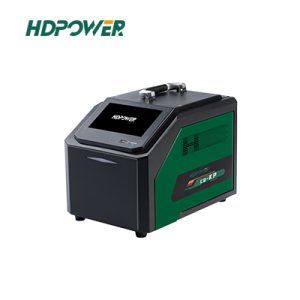
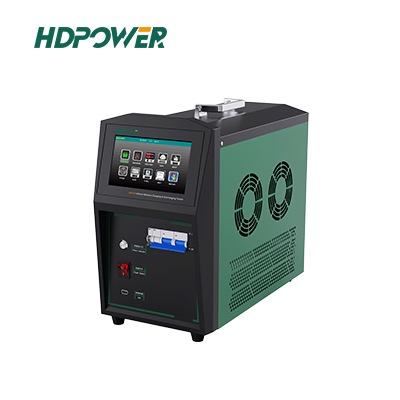
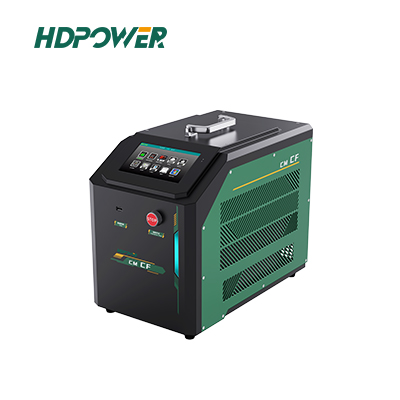
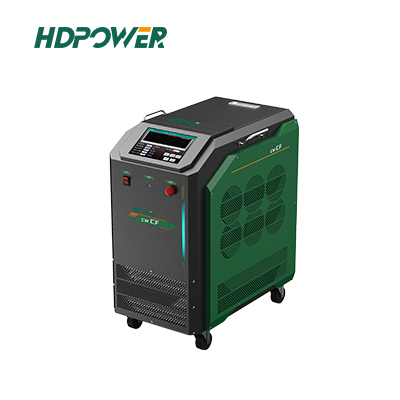
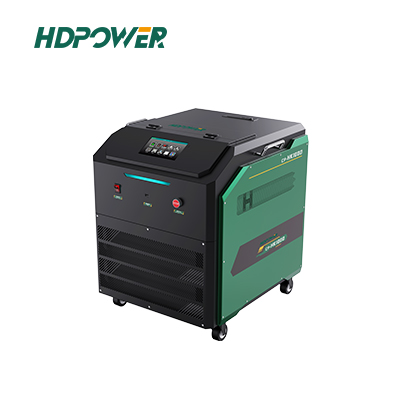
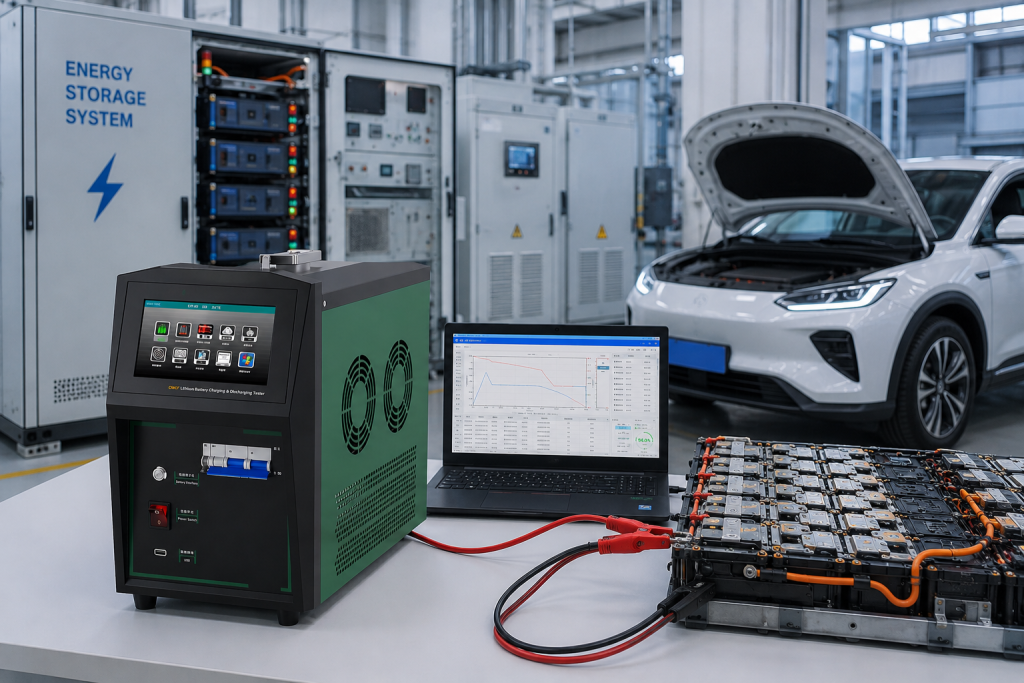
For battery manufacturers, research institutions, and quality control departments, accurately evaluating battery cycle life has become a critical process. A Lithium Ion Battery Cycle Tester is designed to simulate repeated charging and discharging conditions, analyze battery degradation trends, and provide reliable data for battery development and quality inspection.
Unlike simple voltage or capacity measurement tools, a professional cycle tester can monitor multiple parameters throughout the entire testing process, including voltage, current, capacity, energy efficiency, charging time, and discharge characteristics.
By using advanced lithium battery testing technology, engineers can identify battery performance differences, optimize battery management strategies, and improve overall product reliability.
What Is a Lithium Ion Battery Cycle Tester?
A Lithium Ion Battery Cycle Tester is specialized equipment used to perform repeated charge and discharge cycles on lithium-ion cells, modules, and battery packs.
Battery cycle testing is mainly used to evaluate:
- Battery cycle life
- Capacity retention
- Charging and discharging efficiency
- Battery aging characteristics
- Internal performance changes
- Safety and reliability
During a typical cycle test, the equipment charges the battery to a specified voltage level and then discharges it under controlled conditions. This process is repeated hundreds or thousands of times to simulate real-world usage.
For example, an electric vehicle battery may experience thousands of charging cycles during its service life. Through laboratory cycle testing, manufacturers can predict battery lifespan and improve battery design before mass production.
Why Battery Cycle Testing Is Important for Lithium Battery Applications
- Evaluating Battery Lifetime
The most important purpose of cycle testing is determining how long a battery can maintain acceptable performance.
Lithium batteries gradually lose capacity due to:
- Electrode degradation
- Electrolyte aging
- Increased internal resistance
- Chemical changes inside cells
Cycle testing provides measurable data about capacity loss and aging speed.
Battery manufacturers use this information to improve materials, optimize charging methods, and develop longer-lasting batteries.
- Ensuring Battery Quality Consistency
For large-scale battery production, consistency between individual cells is extremely important.
A cycle tester helps manufacturers identify:
- Low-capacity cells
- Abnormal charging behavior
- Excessive capacity loss
- Performance differences between batches
This improves production quality and reduces potential failures in EV batteries and energy storage systems.
- Supporting Battery Research and Development
Battery engineers need accurate testing data when developing new battery technologies.
A professional tester allows researchers to compare:
- Different battery materials
- Various charging strategies
- Different operating temperatures
- New battery management algorithms
Key Features of a Professional Lithium Ion Battery Cycle Tester
When selecting a battery cycle testing system, several technical features should be considered.
Precise Charge and Discharge Control
Accurate current control is essential because small testing errors can affect battery evaluation results.
High-quality systems support:
- Constant current charging
- Constant voltage charging
- Constant power discharge
- Adjustable test parameters
A stable testing process ensures reliable and repeatable results.
Many manufacturers combine cycle testing with a Lithium Battery Charger Discharger system to complete charging, discharging, and performance analysis in one platform.
Wide Voltage and Current Range
Different lithium battery applications require different testing capabilities.
For example:
- Lithium cells may require low-voltage testing
- EV battery modules require higher voltage ranges
- Energy storage packs require high-current testing
A flexible cycle tester should support different battery types, including:
- Lithium iron phosphate (LiFePO4)
- NMC lithium batteries
- Lithium polymer batteries
- Custom battery packs
Data Recording and Analysis
Battery testing generates large amounts of performance data.
Advanced cycle testers provide:
- Automatic data recording
- Charge/discharge curves
- Capacity calculation
- Cycle life reports
- Test result export
These functions help engineers quickly analyze battery behavior and make technical decisions.
How Does a Lithium Ion Battery Cycle Tester Work?
The testing process usually includes several important steps.
Step 1: Battery Connection
The battery cell, module, or pack is connected to the tester through dedicated testing cables.
The system detects basic parameters such as:
- Initial voltage
- Current status
- Battery condition
Step 2: Charging Process
The tester charges the battery according to preset conditions.
Typical charging methods include:
- Constant current charging
- Constant voltage charging
- Multi-stage charging
Step 3: Discharging Process
After charging, the system discharges the battery under controlled conditions.
During discharge, the tester records:
- Discharge capacity
- Voltage changes
- Energy output
- Temperature variation
Step 4: Cycle Repetition
The charging and discharging process repeats automatically.
Engineers can set:
- Number of cycles
- Cut-off voltage
- Current level
- Rest time between cycles
Step 5: Performance Analysis
After completing the test, the system analyzes:
- Capacity retention rate
- Battery degradation trend
- Cycle efficiency
- Abnormal performance
Battery Capacity Testing During Cycle Life Evaluation
Capacity is one of the most important indicators of lithium battery health.
A battery with reduced capacity cannot provide sufficient operating time, even if its voltage appears normal.
During cycle testing, manufacturers often use a Battery Capacity Tester to measure:
- Actual battery capacity
- Charge/discharge efficiency
- Energy output
- Remaining capacity after aging cycles
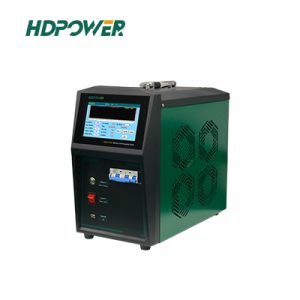
Capacity testing helps determine whether a battery meets application requirements for:
- Electric vehicles
- Solar energy storage
- UPS systems
- Industrial equipment
A combination of cycle testing and capacity measurement provides a complete understanding of battery performance throughout its lifetime.
The Role of Internal Resistance Testing in Battery Cycle Analysis
Internal resistance is another key parameter that reflects battery aging.
As lithium batteries age, internal resistance usually increases, resulting in:
- Higher heat generation
- Lower discharge efficiency
- Reduced power output
A professional Battery IR Tester can measure internal resistance changes during different stages of battery life.
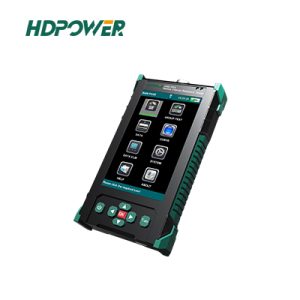
By analyzing resistance growth together with capacity decline, engineers can better understand battery degradation mechanisms.
This is especially important for:
- EV battery packs
- Energy storage systems
- Battery repair centers
- Battery recycling applications
Battery Balancing and Cycle Testing
Battery imbalance is a common issue in multi-cell battery packs.
Different cells may have different:
- Voltage levels
- Capacity characteristics
- Aging speeds
Over time, imbalance can reduce the overall performance and safety of the battery pack.
A Battery Equalizer helps restore voltage consistency between cells by balancing energy distribution.
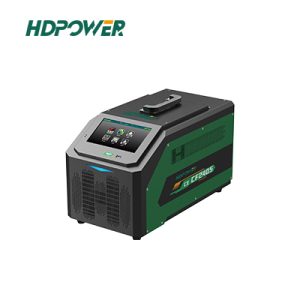
Combining battery balancing technology with cycle testing allows engineers to:
- Improve battery pack reliability
- Extend service life
- Reduce cell degradation differences
For battery manufacturers, balancing and cycle testing together provide a more complete battery evaluation solution.
Applications of Lithium Ion Battery Cycle Testers
Electric Vehicle Battery Testing
EV battery manufacturers rely on cycle testers to verify:
- Battery lifespan
- Fast charging performance
- Capacity retention
- Safety characteristics
Energy Storage System Testing
Large-scale energy storage projects require batteries with stable long-term performance.
Cycle testing helps evaluate batteries used in:
- Solar storage systems
- Grid energy storage
- Industrial backup power
Battery Manufacturing Quality Control
Production lines use cycle testers to inspect battery consistency before shipment.
Testing helps prevent:
- Early battery failure
- Quality complaints
- Performance issues
Battery Research Laboratories
Research institutions use cycle testing equipment to develop:
- New battery materials
- Improved charging methods
- Advanced battery management systems
How to Choose the Right Lithium Ion Battery Cycle Tester?
Before purchasing testing equipment, companies should consider the following factors:
Battery Type Compatibility
Ensure the tester supports your battery chemistry and voltage range.
Testing Accuracy
High measurement accuracy improves reliability of test results.
Software Capability
A good testing system should provide:
- Real-time monitoring
- Data storage
- Report generation
- Analysis functions
Future Expansion
For companies developing multiple battery products, selecting flexible equipment can reduce future investment costs.
A complete solution should include different testing functions, such as:
- Charge/discharge testing
- Capacity measurement
- Internal resistance analysis
- Cell balancing
Conclusion
A Lithium Ion Battery Cycle Tester plays an essential role in evaluating lithium battery lifespan, reliability, and performance. As demand for electric vehicles and energy storage systems continues to grow, accurate cycle testing has become a necessary step for battery manufacturers and technology developers.
By combining cycle testing with capacity measurement, resistance analysis, and balancing technology, companies can obtain comprehensive battery performance data and improve product quality.
Choosing reliable Lithium Battery Test Equipment helps manufacturers optimize battery design, reduce development risks, and ensure safer, longer-lasting battery solutions for modern energy applications.