Introduction
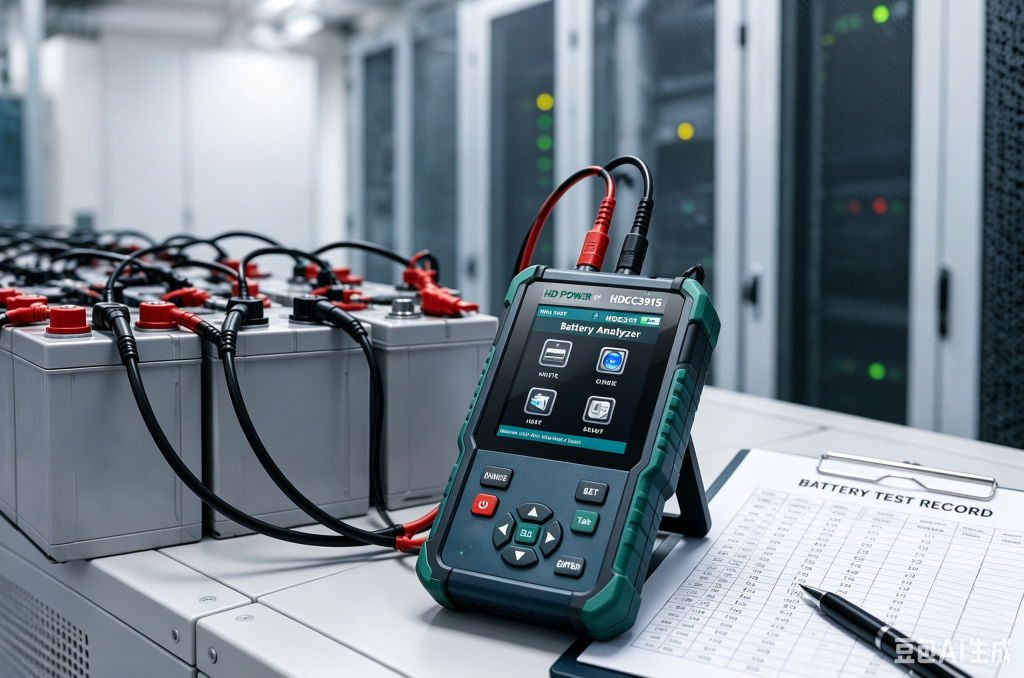
Whether used in UPS systems, telecommunications, substations, data centers, renewable energy, or industrial backup power, batteries are expected to deliver reliable performance when needed most. However, battery failure often occurs without obvious warning signs. A battery may show normal voltage yet still fail under load due to hidden deterioration.
This is why a Battery Health Tester has become an essential tool for maintenance professionals. Instead of relying on voltage alone, modern battery health testing evaluates multiple performance indicators to determine the true condition of a battery before failure occurs.
By identifying aging batteries early, organizations can reduce downtime, improve system reliability, and lower maintenance costs.
What Is a Battery Health Tester?
A Battery Health Tester is a device used to evaluate the overall condition of a battery. Rather than simply checking whether a battery has voltage, it analyzes key performance parameters that indicate the battery’s ability to store and deliver energy safely and efficiently.
Battery health evaluation may include:
- Internal resistance
- Available capacity
- Voltage consistency
- Charge acceptance
- Discharge performance
- Temperature behavior
- Overall battery condition
Different applications require different testing methods, but combining several measurements provides the most accurate assessment of battery health.
Why Battery Health Testing Is Important
Battery degradation is a gradual process. Problems such as sulfation, corrosion, and loss of active material develop over time and are often invisible during routine inspections.
Regular battery health testing helps maintenance teams:
- Detect weak batteries before failure
- Improve backup power reliability
- Reduce unexpected downtime
- Plan battery replacement more efficiently
- Extend battery service life
- Lower overall maintenance costs
For facilities operating large battery banks, preventive testing is far more economical than replacing batteries only after a system failure.
Internal Resistance: A Key Indicator of Battery Health
Among all testing methods, measuring internal resistance is one of the fastest and most effective ways to evaluate battery condition.
As a battery ages, its internal resistance gradually increases due to sulfation, corrosion, and chemical degradation. Higher internal resistance reduces the battery’s ability to deliver current under load, even if the voltage still appears normal.
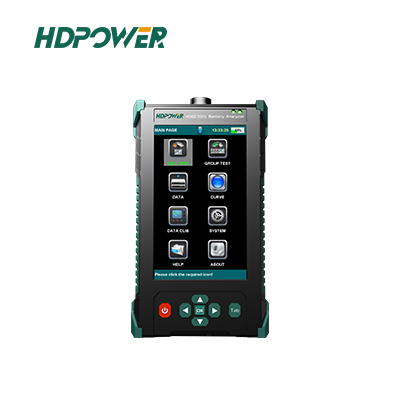
A professional Battery Internal Resistance Tester enables maintenance engineers to identify weak batteries within minutes. By comparing resistance values across a battery bank, technicians can quickly locate abnormal batteries and schedule maintenance before failures occur.

Because internal resistance changes earlier than many other battery parameters, it is widely regarded as one of the most valuable indicators for preventive maintenance.
Capacity Testing Confirms Real Battery Performance
Although internal resistance provides valuable diagnostic information, it does not directly measure how much energy a battery can deliver.
Capacity testing is therefore essential when verifying battery performance.
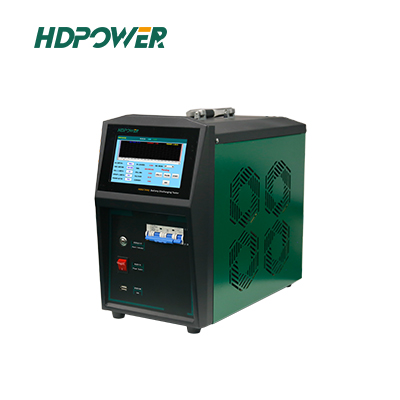
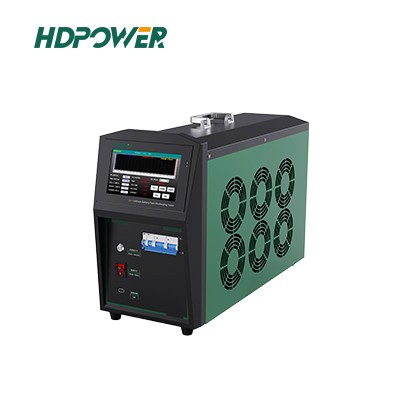
Using a Battery Capacity Tester, technicians apply a controlled discharge to determine the battery’s actual available capacity. This method provides accurate and repeatable results, allowing maintenance teams to compare measured capacity with the battery’s rated specifications.
Capacity testing is commonly performed for:
- UPS battery systems
- Telecom backup batteries
- Power utility substations
- Energy storage systems
- Railway backup power
- Industrial battery maintenance
Combining capacity testing with internal resistance measurement provides a much more complete picture of battery health than either method alone.
Charge and Discharge Testing Improves Battery Evaluation
In many industrial applications, battery performance must be evaluated over a complete operating cycle rather than through a single measurement.
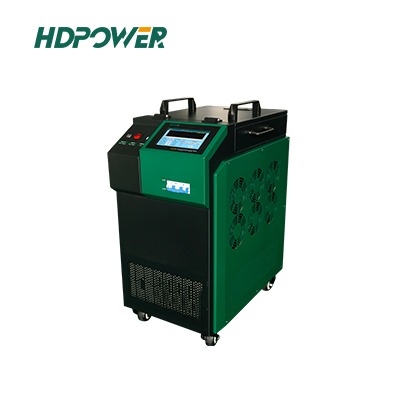
A Battery Charge Discharge Tester performs programmable charging and controlled discharging while recording voltage, current, capacity, and other operating data throughout the test process.
Compared with manual testing, automated charge-discharge testing offers several advantages:
- Higher testing accuracy
- Repeatable test conditions
- Automatic data recording
- Performance trend analysis
- Capacity verification after maintenance
- Reduced operator error
For battery manufacturers, maintenance providers, and utility companies, this type of testing is an important part of comprehensive battery health management.
Choosing the Right Battery Health Tester
When selecting a Battery Health Tester, consider the following factors:
| Feature | Why It Matters |
| Measurement accuracy | Ensures reliable diagnostic results |
| Battery compatibility | Supports lead-acid, AGM, GEL, or lithium batteries |
| Test functions | Measures resistance, capacity, voltage, and more |
| Data storage | Simplifies maintenance records and reporting |
| Display and operation | Improves testing efficiency in the field |
| Safety protection | Prevents damage during testing |
Choosing equipment that matches your maintenance requirements helps improve testing efficiency and long-term reliability.
Best Practices for Battery Health Management
To maximize battery performance and reduce unexpected failures, follow these recommendations:
- Inspect batteries regularly for physical damage.
- Perform periodic internal resistance testing.
- Verify capacity on a scheduled basis.
- Avoid prolonged undercharging or deep discharge.
- Maintain proper operating temperature.
- Keep battery terminals clean and secure.
- Record testing data to identify long-term performance trends.
A proactive maintenance strategy helps identify potential issues before they affect critical power systems.
Frequently Asked Questions
What does a Battery Health Tester measure?
A Battery Health Tester evaluates battery condition by analyzing parameters such as internal resistance, capacity, voltage, and overall performance.
Is voltage enough to determine battery health?
No. A battery may show normal voltage while having significantly reduced capacity or increased internal resistance. Multiple testing methods provide a more accurate evaluation.
How often should battery health be tested?
Testing frequency depends on the application. Critical backup power systems are typically inspected at regular intervals as part of a preventive maintenance program.
Which industries use Battery Health Testers?
Battery Health Testers are widely used in electric power, telecommunications, UPS systems, renewable energy, transportation, industrial manufacturing, and battery maintenance service companies.
Conclusion
A Battery Health Tester is an essential tool for evaluating battery condition, preventing unexpected failures, and improving maintenance efficiency. Rather than relying solely on voltage measurements, professional testing combines internal resistance analysis, capacity verification, and charge-discharge evaluation to provide a comprehensive understanding of battery performance.
By implementing regular battery health testing, organizations can extend battery service life, reduce operating costs, and ensure the reliability of critical power systems. Whether you maintain batteries for substations, telecom networks, data centers, UPS installations, or energy storage projects, selecting the right testing equipment is the key to building an effective preventive maintenance program.