Introduction
Lead-acid batteries remain widely used across industrial power systems, telecommunications infrastructure, substations, UPS installations, railway signaling systems, and emergency backup networks. Despite the rapid development of lithium battery technologies, lead-acid systems continue to offer cost efficiency, predictable behavior, and well-established safety standards.
However, one of the most persistent challenges in lead-acid battery operation is premature capacity loss caused by sulfation and electrochemical inactivity. In many industrial scenarios, batteries are replaced not because of mechanical failure, but because their usable discharge capacity has declined below acceptable thresholds.
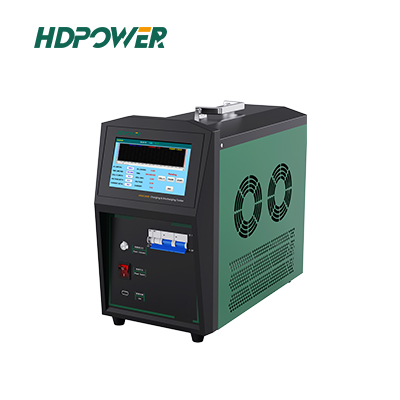
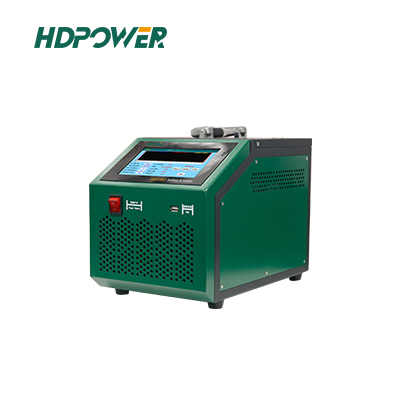
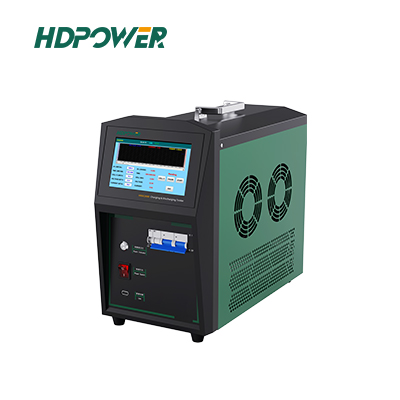
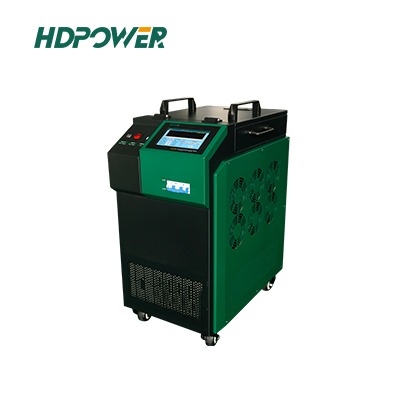
A battery recovery machine is designed to address this issue by reactivating electrochemical materials, reducing sulfation, and restoring effective capacity. Rather than functioning as a simple charger, it operates as a controlled activation and cycling system aimed at extending service life and improving performance stability.Its core function involves applying pulse currents with specific waveforms to precisely break down stubborn lead sulfate crystals on the plate surface while preventing overheating or gassing damage. Through multi-stage intelligent regulation—including desulfation, equalization, and capacity verification—the repairer quantitatively assesses each battery’s health status and optimizes repair parameters accordingly. Practice demonstrates that proper use of the repairer can restore over 70% of aged lead-acid batteries to more than 90% of their rated capacity, significantly reducing total lifecycle operational costs.
Why Lead-Acid Batteries Lose Capacity
The performance of a lead-acid battery is governed by reversible chemical reactions between lead dioxide (positive plate), sponge lead (negative plate), and sulfuric acid electrolyte. During discharge, lead sulfate forms on both plates. Under normal operating conditions, this lead sulfate is converted back into active material during charging.
Problems arise when batteries experience:
● Chronic undercharging
● Repeated deep discharge
● Long-term float without periodic cycling
● Improper charging parameters
● Extended storage without maintenance
Under such conditions, soft lead sulfate crystals gradually transform into stable crystalline structures that adhere tightly to the plate surface. This process, known as sulfation, reduces active surface area and increases internal resistance.
As sulfation progresses:
● Charge acceptance declines
● Discharge voltage drops prematurely
● Internal resistance increases
● Usable capacity decreases
● Runtime under load shortens
In industrial systems where reliability is critical, sulfation-driven degradation can compromise backup power performance long before the battery reaches its theoretical end-of-life.
What Is a Battery Recovery Machine
A battery recovery machine is a specialized electrochemical restoration system designed to reverse sulfation and reactivate inactive materials in lead-acid batteries. Unlike conventional charging equipment, it integrates controlled discharge, intelligent charging, and repeated cycling functions into a single platform.
The objective is not merely to replenish energy but to restore electrochemical balance and recondition the internal structure of the battery plates.
By applying high-frequency, low-voltage, and high-current electrical characteristics, the battery recovery machine breaks down hardened lead sulfate crystals and converts them back into active lead ions. This process reopens blocked reaction sites and improves conductivity within the plates.
Relationship to Battery Activation Technology
In industrial maintenance terminology, battery recovery systems are often categorized under broader activation technologies. For example, a Battery Pack activator may employ similar high-frequency and controlled cycling principles, particularly in large battery assemblies where cell-level consistency and electrochemical reactivation are required.
While naming conventions may vary between recovery machines and activators, the underlying scientific principle remains the same: restoring electrochemical reversibility by reducing sulfation and rebalancing reaction kinetics.

Core Activation Principles
The restoration mechanism of a battery recovery machine is based on coordinated electrical stimulation and cycling control.
High-Frequency Electrical Action
High-frequency pulses help penetrate crystalline sulfate layers that standard charging current cannot effectively dissolve. These signals promote the fragmentation and gradual reconversion of hardened sulfate deposits.
Low Voltage, High Current Operation
Low voltage ensures safe operating conditions, while high current provides sufficient electrochemical stimulation to drive restoration reactions without damaging plate structures.
Directed Current Regulation
Precise current control ensures that electrochemical reactions occur uniformly across plate surfaces. This avoids localized overheating and ensures gradual restoration rather than abrupt stress.
Integrated Charge–Discharge Cycling
A defining feature of a battery recovery machine is its ability to combine multiple functions:
● Constant current discharge
● Intelligent charging
● Repeated charge–discharge cycles
Controlled discharge exposes inactive regions of the plate surface, while intelligent charging gradually restores active material. Repeated cycling improves ion diffusion and helps redistribute electrolyte concentration.
This integrated approach is particularly effective in batteries suffering from moderate sulfation, where capacity decline is reversible.
Performance Restoration Effects
When properly applied, a battery recovery machine can produce measurable improvements in:
● Internal resistance reduction
● Voltage stability under load
● Charge acceptance capability
● Discharge duration
● Overall usable capacity
It is important to note that recovery effectiveness depends on battery condition. Severe physical damage such as plate shedding, short circuits, or extreme corrosion cannot be reversed. However, for batteries primarily affected by sulfation or imbalance, structured recovery cycles can significantly improve performance.
Industrial Applications
Battery recovery machines are widely deployed in environments where large lead-acid battery banks support critical infrastructure.
UPS and Data Centers
Backup batteries must deliver rated capacity during power failures. Recovery programs reduce premature replacement and improve runtime reliability.
Substations and Power Utilities
Control and protection systems rely on dependable DC supply. Activation maintenance enhances system stability.
Telecommunications Infrastructure
Remote base stations depend on battery banks for continuity during grid interruptions. Sulfation recovery improves operational resilience.
Industrial Manufacturing
Emergency lighting and process control systems require predictable backup power. Preventive recovery extends asset life and reduces maintenance costs.
Economic and Environmental Benefits
Replacing large industrial battery banks represents significant capital expenditure. By incorporating battery recovery machines into preventive maintenance programs, operators can:
● Extend service life
● Delay replacement cycles
● Reduce lifecycle costs
● Minimize environmental waste
● Improve sustainability
Structured recovery programs provide measurable return on investment when applied before degradation becomes irreversible.
Best Practices for Implementation
For optimal results, battery recovery should be conducted:
● Before severe sulfation occurs
● According to manufacturer voltage thresholds
● Under monitored temperature conditions
● With post-recovery capacity verification
Regular periodic activation can prevent long-term crystallization and maintain battery health across extended operational cycles.
Conclusion
Sulfation is a thermodynamically driven crystallization process that reduces electrochemical reversibility in lead-acid batteries. A battery recovery machine counteracts this process through high-frequency stimulation, controlled current activation, and structured charge–discharge cycling.
By reducing crystalline sulfate formation and restoring active material conductivity, the system improves capacity, lowers internal resistance, and extends service life.
In industrial power environments where reliability and lifecycle cost are critical, integrating electrochemical recovery into maintenance strategy provides a scientifically grounded and economically advantageous solution.
A battery recovery machine plays a critical role in restoring and extending the service life of lead-acid batteries by reducing sulfation and reactivating electrochemical materials. Through high-frequency stimulation, controlled discharge, intelligent charging, and repeated cycling, it improves usable capacity and stabilizes performance.
In industrial power systems where reliability, cost efficiency, and sustainability are essential, integrating structured battery recovery into maintenance strategies offers a technically sound and economically advantageous solution.