Introduction
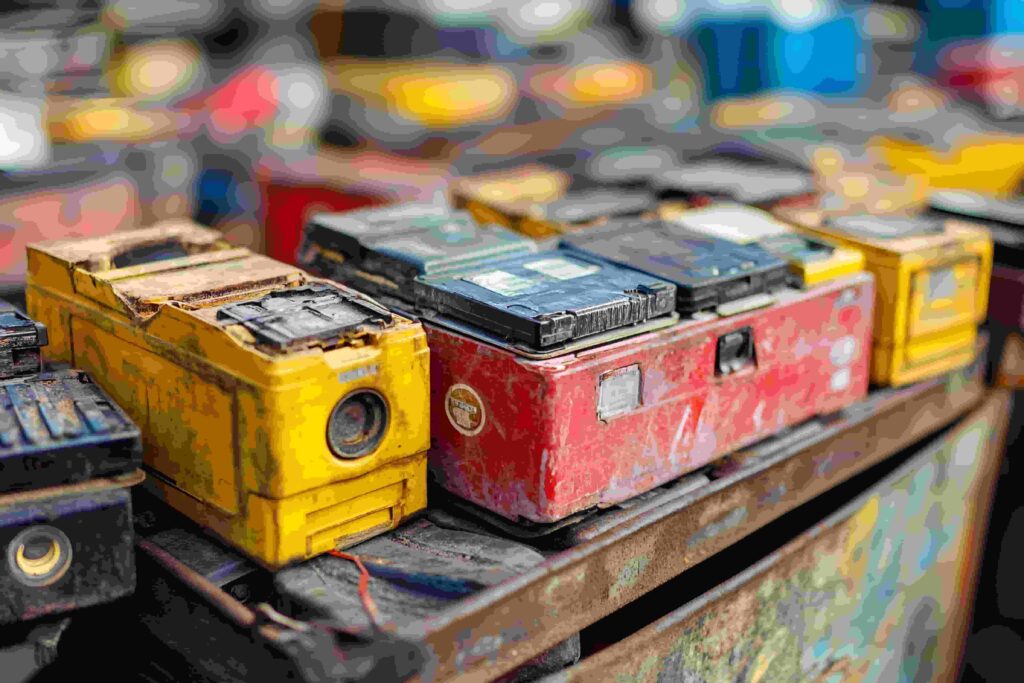
As batteries age or remain in long-term standby operation, their performance often declines even when no obvious physical damage is present. This phenomenon is particularly common in lead-acid battery systems used in backup power supplies, industrial equipment, telecom infrastructure, and energy storage applications. Typical symptoms include reduced capacity, increased internal resistance, and poor charge acceptance.
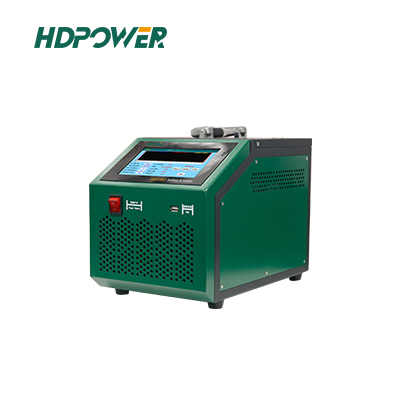
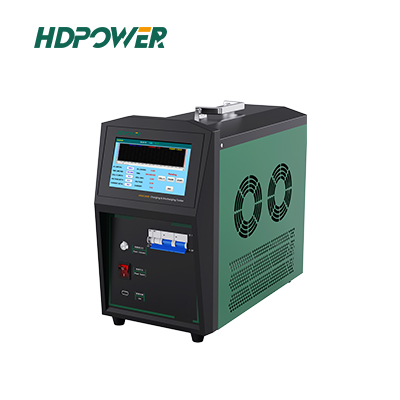
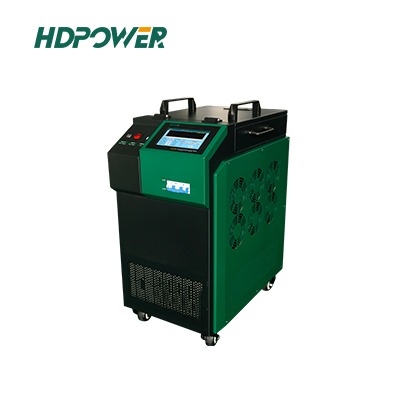
A battery refresher is a specialized device designed to address these issues through controlled electrical processes rather than simple charging alone. By integrating constant-current discharge, intelligent charging, and charge–discharge cycling, a battery refresher aims to reactivate internal battery materials, recover usable capacity, and extend service life. This article explains what a battery refresher is, how it works, and how it restores battery performance in a practical and technically sound manner.
Why Batteries Lose Performance Over Time
One of the primary causes of performance degradation in lead-acid batteries is sulfation. During normal operation, lead sulfate forms on the battery plates as part of the electrochemical reaction. Under proper charging conditions, this lead sulfate is reversible and converts back into active material.
However, when batteries are left undercharged, partially charged, or idle for extended periods, lead sulfate crystals can grow larger and become tightly adhered to the surface of the plates. These hardened sulfate crystals reduce the effective reaction area, increase internal resistance, and limit the battery’s ability to accept charge or deliver current. Over time, this condition leads to significant performance loss that cannot be resolved by conventional charging methods alone.
What Is a Battery Refresher?
A battery refresher is an integrated battery maintenance and testing device designed to restore degraded batteries by applying targeted electrical treatment. Unlike standard chargers, which primarily replenish energy, a battery refresher focuses on improving internal battery conditions.
In practical applications, a battery refresher typically combines multiple functions:
● Constant-current discharge
● Intelligent charging control
● Charge–discharge cycling
● Deep discharge and recovery processes
This integrated design allows the device not only to assess battery condition but also to actively improve battery performance through controlled cycling and electrical stimulation.
Core Working Principle of a Battery Refresher
High-Frequency, Low-Voltage, High-Current Electrical Action
The defining technical characteristic of a battery refresher is its use of high-frequency, low-voltage, high-current electrical signals. Under the action of directed current, these signals interact with the battery plates at a microscopic level.
This electrical action helps decompose hardened lead sulfate crystals that are tightly bound to the plate surfaces. As these crystals break down, they are converted back into lead ions that can once again participate in electrochemical reactions. This process restores active material on the plates and improves the battery’s ability to accept charge.
By operating at low voltage while delivering sufficient current, the refresher minimizes structural stress on the battery while still achieving effective sulfate decomposition.
Battery Activation as Part of the Refreshing Process
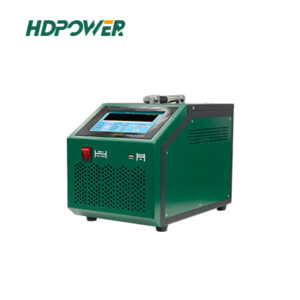
In practical battery maintenance workflows, the refreshing process is closely related to battery activation. A Battery Activator applies controlled electrical stimulation to re-engage inactive materials within aging batteries, supporting the recovery of electrochemical activity before or during charge–discharge cycling. When used as part of a structured refreshing process, activation helps improve charge acceptance, reduce polarization effects, and enhance the effectiveness of subsequent discharge and recharge stages. This combined approach is particularly valuable for batteries that have experienced long-term standby operation or prolonged partial-state-of-charge conditions, where internal activity has gradually diminished.
Controlled Discharge and Deep Cycling
Battery refreshers typically include constant-current discharge and deep discharge functions. Controlled discharge removes surface charge effects and forces the battery to operate across a wider depth-of-discharge range. This process helps redistribute electrolyte concentration and encourages uniform chemical activity across the plates.
Repeated deep charge–discharge cycles help reactivate dormant active material that no longer contributes effectively during shallow cycling. Over successive cycles, internal resistance decreases and voltage behavior becomes more stable.
Intelligent Charging and Charge–Discharge Cycling
Following discharge, the battery refresher applies intelligent charging algorithms that adapt to battery condition. Charging parameters such as current, voltage, and duration are adjusted dynamically based on real-time battery response rather than fixed presets.
Multiple charge–discharge cycles are often applied during the refreshing process. Each cycle incrementally improves battery behavior by reducing polarization, stabilizing voltage response, and enhancing capacity recovery. This gradual, controlled approach is significantly more effective than a single aggressive charging attempt.
How a Battery Refresher Restores Battery Performance
Through the combined effects of sulfate decomposition, battery activation, deep cycling, and intelligent charging, a battery refresher addresses multiple performance limitations simultaneously.
Breaking down sulfate crystals reduces internal resistance and improves current flow. Reactivating active material increases effective plate surface area, improving both capacity and discharge capability. Stabilized voltage behavior results in more predictable performance under load.
Although a battery refresher cannot reverse all forms of battery aging, it can substantially improve performance in batteries that are degraded but not physically damaged.
Applications of Battery Refreshers
Battery refreshers are widely used in scenarios where battery replacement is costly or operational downtime must be minimized. Typical applications include:
● Backup power systems and UPS installations
● Telecom battery banks
● Industrial and traction battery maintenance
● Energy storage system maintenance
● Fleet battery management and periodic testing
In these environments, refreshing batteries before irreversible failure occurs can significantly extend service life and reduce total ownership cost.
Limitations and Best Practices
It is important to recognize that battery refreshers are not universal repair tools. Batteries with severe plate corrosion, internal short circuits, or electrolyte loss may not respond effectively to refreshing.
For best results, refreshing should be performed under controlled conditions with proper monitoring of voltage, current, and temperature. Multiple refresh cycles may be required, and performance improvement should be verified through capacity testing rather than voltage measurements alone.
Conclusion
A battery refresher is a specialized maintenance and testing device designed to restore battery performance through controlled electrical treatment. By combining high-frequency, low-voltage, high-current stimulation with battery activation, intelligent charging, and deep charge–discharge cycling, it breaks down sulfate buildup, reactivates battery materials, and improves overall battery behavior.
For aging or underperforming batteries that have not suffered irreversible damage, a battery refresher provides a technically sound and practical method to recover usable capacity, stabilize performance, and extend service life.