Introduction
As lithium battery systems are increasingly adopted in industrial equipment, mobile platforms, backup power units, and automotive aftermarket applications, 24V lithium battery packs have become a widely used voltage architecture. While these systems offer advantages in safety, compact design, and system integration, they also introduce a persistent challenge: cell-to-cell voltage inconsistency.
Over time, even small voltage differences between individual cells can lead to capacity loss, shortened cycle life, unstable output, and elevated safety risks. A 24V Battery Equalizer is specifically designed to address these issues by actively managing voltage differences within lithium battery packs. By coordinating charging, discharging, and equalization processes, it restores overall battery performance and ensures long-term stability.
This article explains what a 24V battery equalizer is, how it works, and why it is essential for maintaining the performance and service life of lithium battery systems.
Why Voltage Inconsistency Causes Battery Degradation
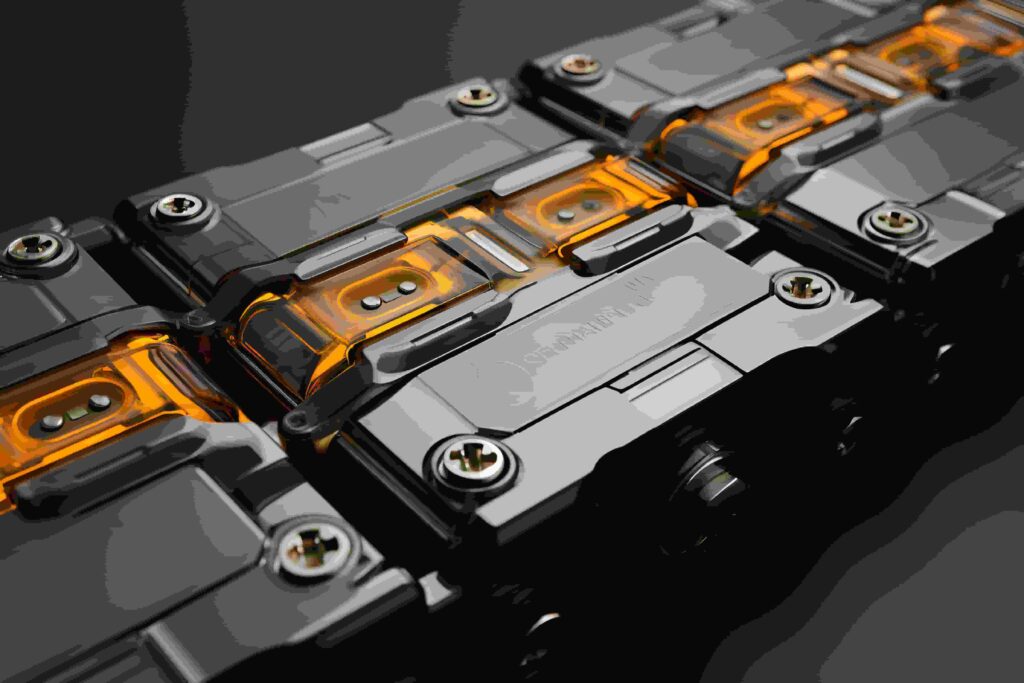
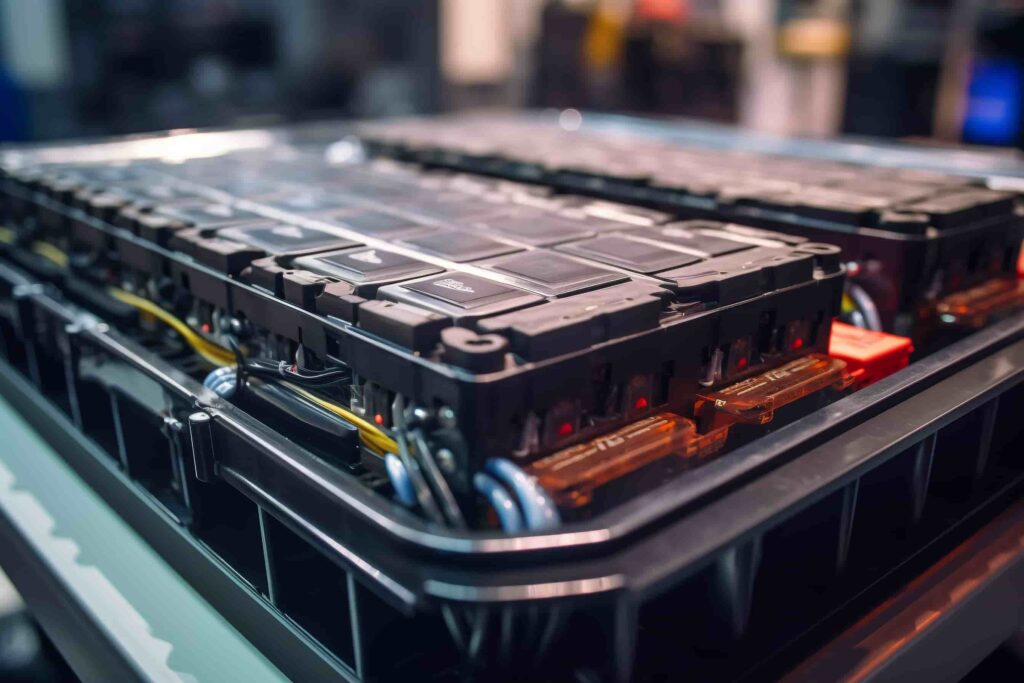
A 24V lithium battery pack typically consists of multiple lithium cells connected in series, such as 8S LFP (LiFePO₄) configurations or 7S NMC/NCA configurations. Although these cells may be identical when assembled, they inevitably age at different rates due to variations in internal resistance, temperature exposure, load distribution, and charge–discharge history. As a result, voltage inconsistency gradually develops.
When voltage imbalance is present, higher-voltage cells may reach charge limits earlier, preventing full utilization of lower-voltage cells. Under load, weaker cells may reach discharge cutoffs sooner, limiting usable pack capacity. Overstressed cells then degrade faster, which further worsens imbalance and reduces safety margins during high-load or irregular operating conditions.
In practice, many engineers refer to this function category as a battery balancer, emphasizing its role in correcting cell-to-cell voltage deviation before it impacts pack availability or lifecycle. A dedicated battery balancer is especially valuable in 24V lithium systems used in industrial and automotive aftermarket applications, where irregular load profiles and partial-state-of-charge operation can accelerate drift over time.
What Is a 24V Battery Equalizer?
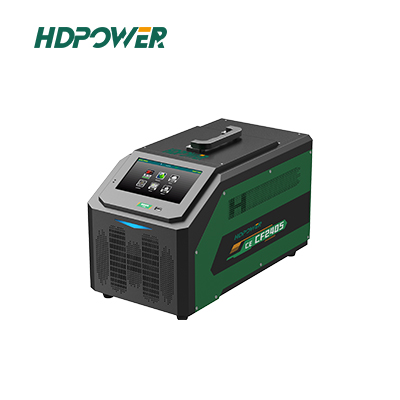
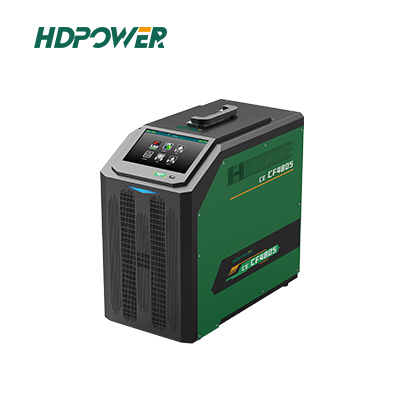
A 24V Battery Equalizer is a lithium-only battery management device designed to correct voltage differences among individual cells in a 24V lithium battery pack. Its primary purpose is to restore and maintain voltage consistency, ensuring that all cells contribute evenly to the pack’s performance.
Unlike simple monitoring systems, a 24V battery equalizer actively intervenes when imbalance occurs. It operates through three coordinated modes—charging, discharging, and equalization—to regulate cell voltages and recover overall battery performance.
By continuously adjusting voltage differences between cells, the equalizer prevents capacity loss, stabilizes operation, and extends the usable life of the battery pack.

Core Operating Modes of a 24V Battery Equalizer
Charging Mode
During charging, voltage differences between cells often become more pronounced, especially as the battery approaches full charge. Higher-voltage cells may reach their upper limits early, forcing charging to stop prematurely.
In charging mode, the 24V battery equalizer works alongside the charger to regulate voltage distribution, preventing individual cells from exceeding safe thresholds while allowing lower-voltage cells to continue charging. This improves charge completeness and maximizes usable capacity.
Discharging Mode
Under load, weaker cells tend to drop voltage faster than others. Once a single cell reaches its cutoff voltage, the entire battery pack may be forced to stop discharging.
In discharging mode, the equalizer helps mitigate this effect by redistributing energy and reducing voltage deviation. This allows the battery pack to deliver energy more evenly and prevents premature shutdown caused by a single underperforming cell.
Equalization Mode
Equalization mode is the core function of the device. When voltage differences exceed a defined threshold, the equalizer actively transfers energy from higher-voltage cells to lower-voltage cells. This process restores balance across the pack and reestablishes uniform state of charge.
Through repeated equalization cycles, the battery pack gradually recovers lost performance, improving voltage stability, capacity utilization, and long-term reliability.
How a 24V Battery Equalizer Restores Battery Performance
By coordinating charging, discharging, and equalization processes, a 24V battery equalizer addresses multiple degradation mechanisms simultaneously.
Voltage consistency reduces internal stress on individual cells, slowing aging and extending cycle life. Balanced cells allow the battery pack to utilize more of its nominal capacity and maintain stable output under load. Safety margins are also improved, as no single cell is exposed to excessive voltage or deep discharge conditions.
Rather than acting as a repair tool, the equalizer functions as a performance restoration and protection system, ensuring that voltage imbalance does not evolve into irreversible battery damage.
Applications of 24V Battery Equalizers
Industrial and Energy Systems
24V lithium battery equalizers are widely used in industrial control systems, automation equipment, UPS installations, and backup power solutions. These systems often operate in standby or partial-cycle conditions, where imbalance can accumulate unnoticed. Equalization ensures reliable power delivery when needed.
Mobile Equipment and Robotics
AGVs, mobile robots, and electric platforms rely on stable voltage under dynamic load conditions. Frequent start-stop operation accelerates voltage drift, making equalization critical for maintaining consistent performance and reducing unexpected downtime.
Automotive Aftermarket Applications
In the automotive aftermarket, 24V lithium battery systems are commonly used in auxiliary power units, vehicle retrofits, off-road vehicles, commercial vehicle modifications, and customized electrical installations. These systems often experience irregular charging patterns and unpredictable loads.
A 24V battery equalizer helps stabilize auxiliary power systems, protect lithium battery packs, and ensure long-term reliability in aftermarket vehicle applications.
When a 24V Battery Equalizer Is Most Necessary
A 24V battery equalizer is especially important when:
● The battery pack contains multiple series-connected lithium cells
● Capacity decay or voltage inconsistency has already appeared
● The system operates under dynamic or irregular load conditions
● Battery replacement cost or downtime is high
● The application involves automotive aftermarket modifications
In these scenarios, equalization is not optional—it is essential for maintaining performance and safety.
Limitations and Best Practices
A 24V battery equalizer is designed exclusively for lithium battery systems and must not be used with lead-acid batteries. It cannot restore batteries with severe physical damage, internal short circuits, or irreversible chemical degradation.
For optimal results, the equalizer should be correctly matched to the battery chemistry and cell count, installed according to proper wiring practices, and used together with an appropriate battery management system. Performance improvements should be verified through capacity and load testing rather than voltage readings alone.
Conclusion
A 24V Battery Equalizer is a specialized solution designed to resolve lithium battery pack degradation caused by cell voltage inconsistency. By operating through charging, discharging, and equalization modes, it restores overall battery performance, improves safety, and extends service life.
As 24V lithium battery systems continue to expand across industrial applications and the automotive aftermarket, effective voltage equalization becomes a critical component of long-term battery reliability. Understanding how a 24V battery equalizer works enables system designers, engineers, and operators to protect battery investments and ensure stable operation over the full lifecycle of the battery pack.