As electric vehicles (EVs), battery energy storage systems, and industrial lithium battery applications continue to expand, the need for controlled battery discharge is becoming increasingly important. Battery service centers, testing laboratories, recycling facilities, and battery manufacturers all require reliable methods to manage stored electrical energy during testing, maintenance, and end-of-life processing.
A high voltage battery discharge system provides a controlled way to remove electrical energy from a battery pack under defined operating conditions. Compared with improvised discharge methods, a purpose-designed system can offer more consistent current control, operating data, and protection functions when correctly selected and used.
However, selecting suitable equipment involves more than checking the maximum voltage. Battery chemistry, pack configuration, discharge current, power dissipation, operating environment, and safety procedures all influence equipment selection.
This guide explains the key technical considerations for choosing a high voltage battery discharge system for electric vehicle battery packs and other high voltage lithium battery applications.
-
What Is a High Voltage Battery Discharge System?
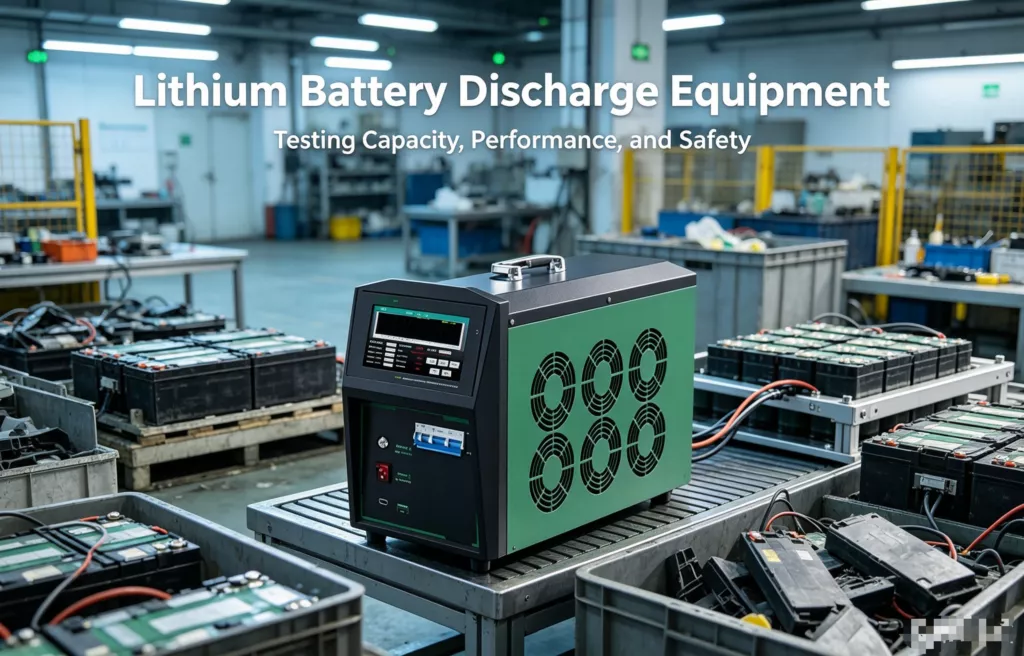
A high voltage battery discharge system is equipment designed to draw electrical energy from a battery pack at a controlled rate. Depending on its design, the system may use constant-current (CC) discharge, constant-power (CP) discharge, or other specified operating modes.
These systems are used in applications where a battery must be discharged according to a defined test procedure, operating limit, or service requirement. Examples include battery performance evaluation, controlled energy removal, maintenance workflows, and preparation for certain recycling or handling processes.
The system typically includes a discharge load, control electronics, measurement circuits, an operator interface, and protection functions. Depending on the model and configuration, it may also support automated operation, data recording, and optional monitoring of individual cell voltages or temperatures.
A key distinction is that discharging a battery pack is not the same as charging it, balancing its cells, or measuring its internal resistance. Each process has a different purpose and requires equipment with the appropriate functions.
For industrial users, the right system should match the battery’s electrical characteristics and the intended task rather than simply offer the highest available discharge power.
-
Why Is Controlled Discharge Important for EV Battery Packs?
EV battery packs can store substantial amounts of electrical energy. Their voltage, capacity, and internal configuration vary by vehicle platform and battery design. Uncontrolled or poorly managed discharge may create excessive heating, over-discharge, equipment damage, or other hazards.
A controlled discharge process helps operators follow defined current, voltage, and time limits. When combined with appropriate monitoring and protection, it can also improve the consistency of test procedures and make the resulting records easier to review.
Several applications make controlled discharge particularly relevant.
Battery Performance Testing
Battery engineers may discharge a pack under specified conditions to evaluate its behavior under load. Relevant observations can include terminal voltage, discharge current, elapsed time, and temperature where suitable sensors are available.
The test procedure must define the initial state of charge, current or power setting, voltage limits, and stopping criteria. Results from different tests should only be compared when their conditions are sufficiently consistent.
Maintenance and Repair
Battery service facilities may need to remove stored energy before carrying out approved diagnostic or maintenance procedures. A suitable discharge system can help technicians manage this process according to the battery manufacturer’s instructions and the facility’s safety requirements.
Discharge alone does not establish that a battery is safe to open or repair. High voltage isolation, verification of electrical conditions, and other prescribed controls remain essential.
Recycling and End-of-Life Processing
Battery recycling workflows may include controlled energy removal before subsequent handling operations. The required endpoint depends on the battery design, chemistry, recycling process, and applicable regulations.
A discharge system can support this stage when its specifications and operating procedure are appropriate for the battery. It should not be assumed that one discharge endpoint is suitable for every battery chemistry or recycling method.
-
Key Technical Parameters to Evaluate
Before purchasing a high voltage battery discharge system, users should compare the equipment specifications with the requirements of their actual battery packs.
Voltage Range
The equipment’s supported voltage range must cover the battery pack’s operating voltage and remain within all specified input limits. Nominal battery voltage alone is insufficient for selection.
For example, a pack’s voltage may vary significantly with its state of charge and chemistry. The maximum voltage that can occur during normal operation must also be considered. Confirm the equipment’s permitted operating range, connection requirements, and protection thresholds before use.
Discharge Current and Power
Current and power determine how quickly electrical energy can be removed, subject to the battery’s limits and the equipment’s capabilities.
The relationship between voltage, current, and power is:
P = V × I
where P represents electrical power in watts, V is voltage in volts, and I is current in amperes.
For example, at 400 V and 10 A, the instantaneous electrical power is 4,000 W, or 4 kW. This calculation illustrates why current and voltage must be evaluated together.
A system’s maximum current rating does not necessarily mean it can sustain that current at every voltage. Check the rated power, operating envelope, cooling requirements, and any derating conditions specified by the manufacturer.
Constant-Current and Constant-Power Modes
In constant-current mode, the system maintains a specified discharge current within its operating limits. This mode is useful when a test procedure requires a stable current throughout the discharge period.
In constant-power mode, the system regulates the discharge to maintain a specified power level within its supported range. As battery voltage changes, the current may change accordingly.
Neither mode is universally superior. The appropriate choice depends on the test objective, battery limits, and the procedure being followed.
Measurement and Data Recording
Useful measurements may include pack voltage, discharge current, elapsed time, and calculated discharge capacity or energy where supported.
For facilities that process many battery packs, saved test records can improve traceability and help technicians compare results. Before purchasing, confirm which parameters the equipment measures directly, which values it calculates, and which functions require optional accessories or software.
-
Safety Features and Operating Controls
Safety should be a primary selection criterion for high voltage battery discharge equipment. A technically capable system is not suitable if it cannot be integrated into the user’s approved work procedures.
Important items to evaluate include:
Overvoltage and undervoltage limits: Confirm that the system supports the required operating and stopping thresholds.
Overcurrent protection: Verify the specified current limits and protective response.
Overtemperature protection: Check how the equipment handles excessive internal temperature and whether battery temperature monitoring is available.
Connection and polarity checks: Understand which connection errors the equipment can detect and what checks remain the operator’s responsibility.
Emergency stopping: Confirm the emergency-stop arrangement and the procedure for safely terminating a discharge.
Cooling and ventilation: Ensure that the installation can manage the heat generated during the specified discharge duty.
Operating records: Determine whether faults, measurements, and completed test results can be recorded for review.
These functions must be assessed against the actual product documentation. Not every model includes every feature, and optional monitoring should not be mistaken for a standard function.
Operators should follow the battery manufacturer’s instructions, applicable electrical safety requirements, and the equipment manual. A discharged battery may retain hazardous voltage, and internal components can remain energized even after a discharge process has stopped.
-
How to Choose the Right System for Your Application
A practical selection process begins with the battery and the intended workflow, not the equipment model number.
Step 1: Define the Battery Specifications
Record the battery chemistry, nominal and maximum voltage, permitted discharge current, relevant temperature limits, and pack configuration. Confirm whether the system will handle complete packs, modules, or another battery assembly.
Do not assume that a device designed for one voltage range or battery configuration can be used with another without verification.
Step 2: Define the Discharge Objective
Determine whether the main purpose is performance testing, controlled energy removal, maintenance, or preparation for a downstream process.
Each objective may require a different current profile, stopping condition, measurement set, and reporting format. A simple energy-removal task may not need the same functions as a detailed performance test.
Step 3: Calculate the Required Power
Estimate the maximum expected operating power using the relevant voltage and current values. Then check that the selected system can sustain the required operating point for the intended duration.
Consider duty cycle, cooling, ambient temperature, and any restrictions on continuous operation. Avoid choosing equipment solely on the basis of its peak rating.
Step 4: Check the Control and Monitoring Functions
Confirm whether constant-current and constant-power modes are required, and verify the supported adjustment ranges.
If individual cell voltage or temperature monitoring is important, check whether the equipment provides those functions directly or requires optional sensors and accessories.
Step 5: Review Integration and Documentation
Evaluate connection cables, connectors, communication interfaces, software, test-record export, and installation requirements. For high-volume service facilities, repeatable test procedures and consistent record management may be as important as the maximum discharge rate.
Finally, request the technical datasheet and confirm the complete configuration with the manufacturer before placing an order.
-
Applications Across Battery Service and Industrial Operations
High voltage battery discharge systems can support several types of battery-related work, provided that the equipment is correctly matched to the task.
EV battery maintenance centers may use controlled discharge equipment as part of approved diagnostic and service workflows. Suitable voltage and power ratings help facilities accommodate different battery platforms without exceeding equipment limits.
Battery testing laboratories may use programmable discharge modes to conduct defined tests and collect repeatable operating data. The test method, measurement accuracy, and data-recording capability should be specified before the system is selected.
Battery recycling facilities may integrate controlled discharge into an established process for handling end-of-life batteries. The discharge endpoint and subsequent operations must follow the applicable process requirements and safety rules.
Battery manufacturers and integrators may require discharge equipment for selected verification, troubleshooting, or process-development tasks. In these environments, compatibility with the battery design and the required test procedure takes priority over a generic equipment rating.
Energy storage service providers may use discharge equipment for certain maintenance or diagnostic activities involving lithium battery assemblies. The selected configuration must suit the voltage, current, access arrangements, and operating procedures of the particular system.
These applications have different requirements. A single device should not be assumed to cover every battery pack, chemistry, or industrial process.
-
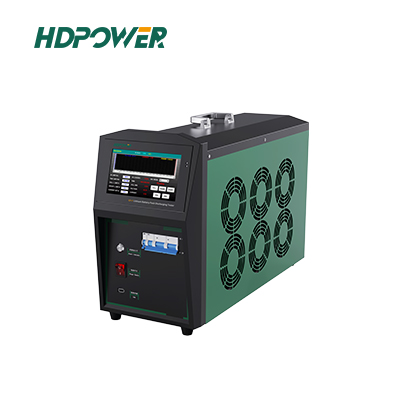
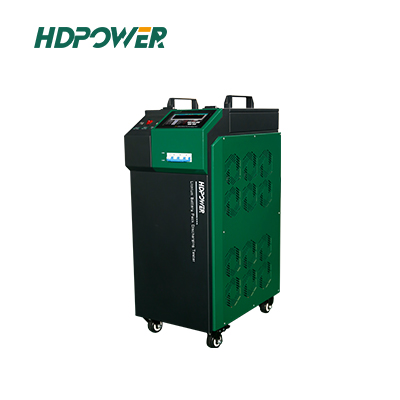
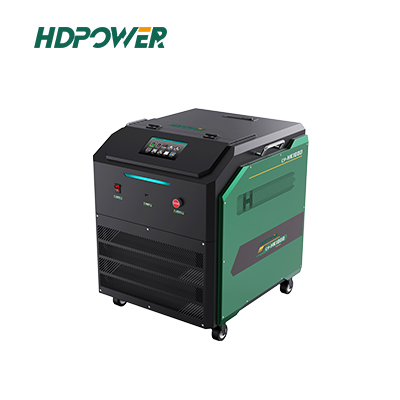
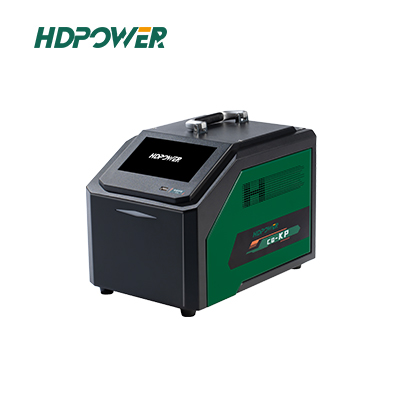
HDPOWER CP-F Series for Lithium Battery Pack Discharge
For users evaluating high voltage lithium battery discharge equipment, HDPOWER offers the CP-F series of lithium battery pack discharging testers.
The series is intended for controlled discharge applications involving lithium battery packs. Depending on the selected model and configuration, relevant capabilities include constant-current and constant-power discharge, with an available voltage range of 10–800 V across the product series.
The specific supported functions, current and power ratings, and accessories should be confirmed against the datasheet for the selected model.
The CP-F series may be relevant to battery service facilities, testing operations, and certain recycling workflows that require controlled energy removal. Final suitability depends on the battery pack specifications and the operating procedure.
Explore the CP-F600 lithium battery pack discharging tester and CP-F800 lithium battery pack discharging tester to review the available configurations. For other battery testing requirements, visit HDPOWER’s lithium battery testing equipment range.
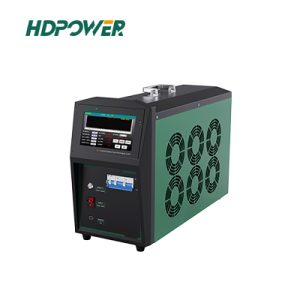
Before ordering, provide the battery’s voltage range, required discharge current or power, connector requirements, and intended duty cycle. This information helps the manufacturer determine whether a particular configuration is suitable.
-
Conclusion
Selecting a high voltage battery discharge system requires a clear understanding of the battery, the intended process, and the required operating conditions. Voltage range, discharge current, power capability, control modes, cooling, and safety controls should all be considered together.
A system that matches the application can support more consistent testing and controlled energy removal, while appropriate operating procedures help manage the hazards associated with high voltage batteries.
For EV battery service providers, testing facilities, and industrial users, the most effective approach is to define the requirements first, compare verified equipment specifications, and confirm compatibility before purchase.
HDPOWER’s CP-F series provides an option for users evaluating lithium battery pack discharge equipment. Contact HDPOWER with your battery specifications and application requirements to discuss a suitable configuration.