Introduction
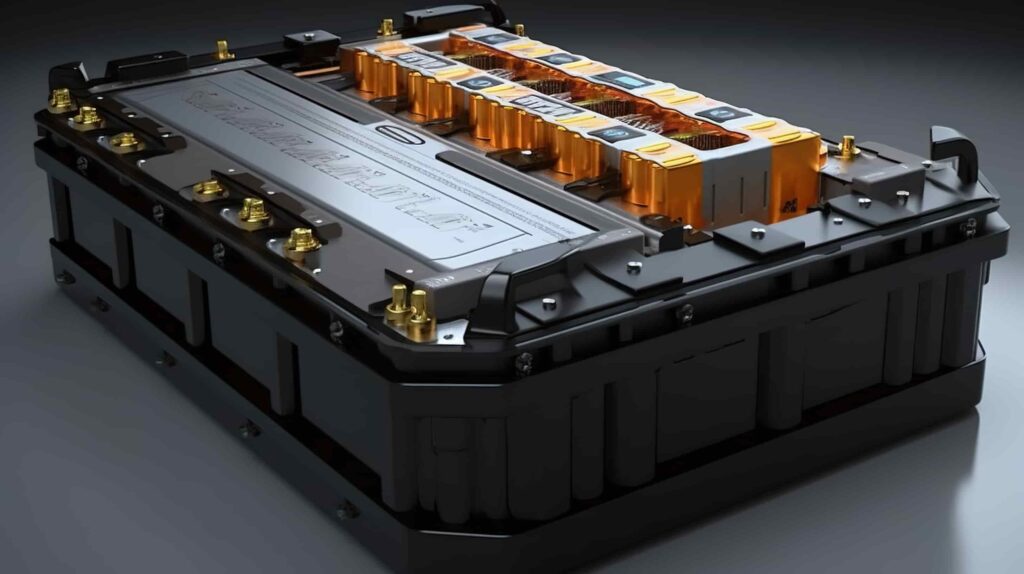
Electric vehicle batteries store a substantial amount of electrical energy, even when a vehicle has been removed from service or a battery pack is scheduled for repair, dismantling, transportation, or recycling. Before technicians carry out physical work on a high-voltage battery pack, controlling and reducing the stored electrical energy can be an important part of the workflow.
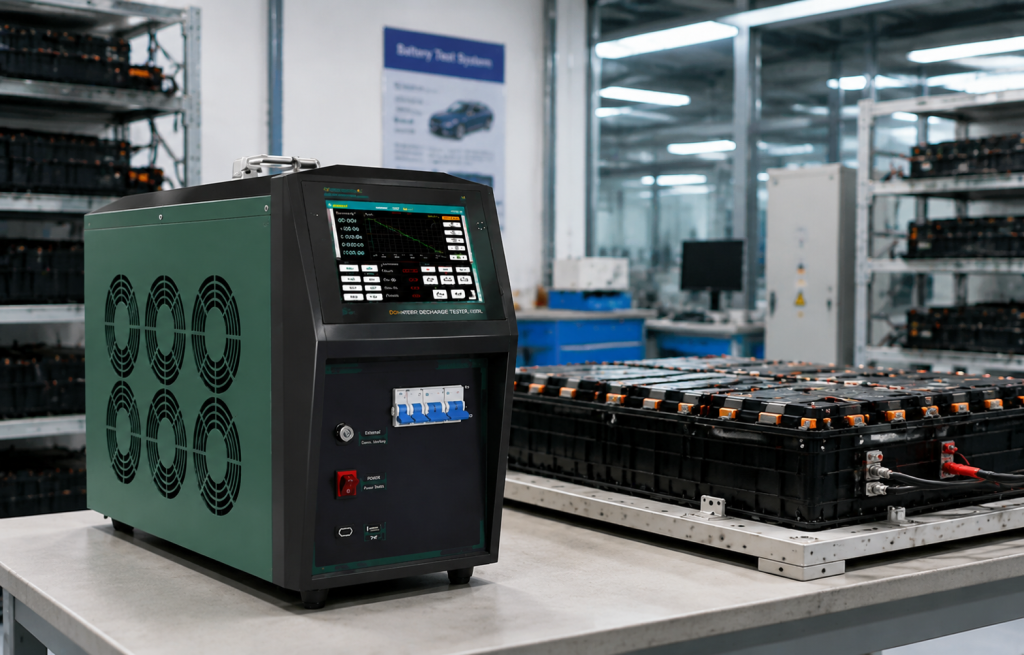
This is where EV battery energy release equipment becomes useful. Unlike basic electrical loads, professional battery discharge equipment is designed to control the release of stored energy while monitoring voltage, current, and operating conditions. The objective is not simply to remove energy from a battery, but to provide a controlled and repeatable process suitable for EV service centers, battery manufacturers, recycling facilities, and second-life battery operations.
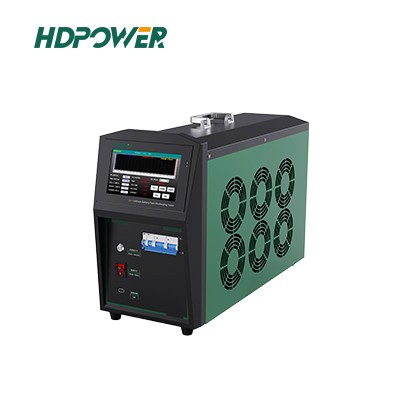
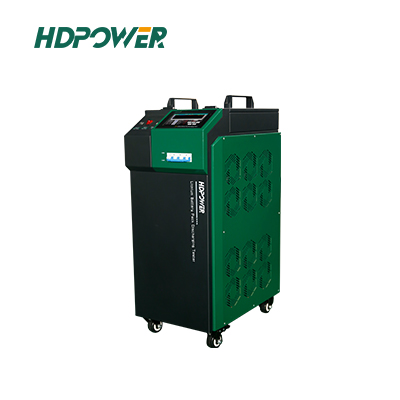
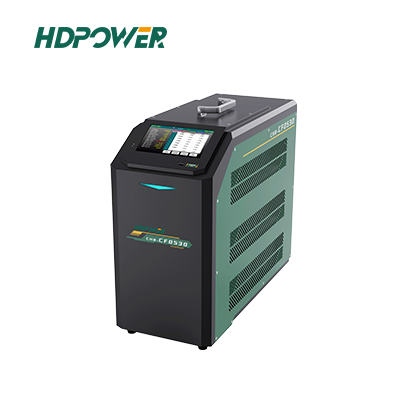
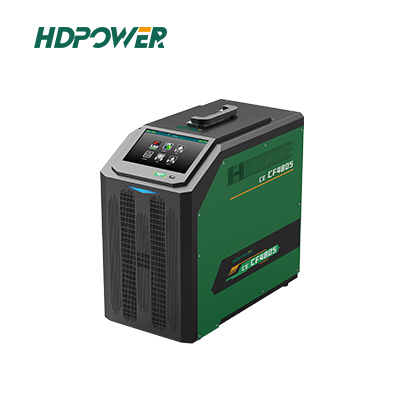
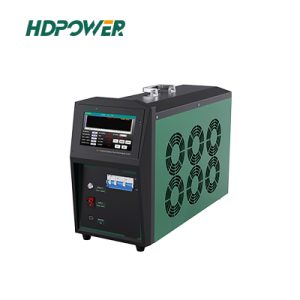
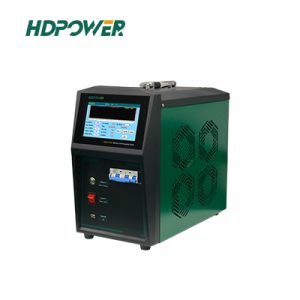
HDPOWER’s CP-F series is designed for high-voltage lithium battery pack discharge applications, supporting constant-current and constant-power discharge modes. The CP-F600 covers DC 10–600 V, while the CP-F800 supports DC 10–800 V, allowing the equipment to address different EV and energy-storage battery architectures.
Why Controlled Energy Release Matters for EV Batteries
An EV battery pack contains many cells connected in series and parallel. Depending on the vehicle architecture, the pack voltage can reach several hundred volts. Even after a vehicle is powered down, the battery system may retain significant stored energy.
For maintenance and recycling operations, the remaining energy level is an important consideration before technicians proceed with further handling.
Controlled energy release can be used during several stages of the battery lifecycle:
- EV battery repair and maintenance
- Battery pack transportation preparation
- Battery dismantling
- Battery recycling
- Battery refurbishment
- Second-life battery evaluation
- Battery manufacturing and quality control
The objective is to reduce the electrical energy stored in the pack under defined operating conditions rather than relying on uncontrolled or improvised discharge methods.
For engineers responsible for battery processing, this creates a more standardized workflow and makes the discharge process easier to monitor and document.
What Is EV Battery Energy Release Equipment?
EV battery energy release equipment is a controlled electrical load system designed to dissipate energy stored in a high-voltage battery pack.
During operation, the equipment connects to the battery pack and applies a predefined electrical load. Depending on the equipment configuration and test requirement, the discharge may be controlled according to current or power.
Two commonly used modes are constant current (CC) and constant power (CP) discharge.
With constant-current discharge, the equipment maintains a relatively stable current while the battery voltage changes during discharge. This provides a predictable electrical load and is useful when engineers need a consistent current profile.
With constant-power discharge, the equipment adjusts the current according to battery voltage to maintain the specified power level. This can be useful when the application requires a defined power load rather than a fixed current.
By controlling these parameters, engineers can manage the rate at which stored battery energy is released.
Key Parameters to Evaluate Before Selecting the Equipment
Selecting EV battery energy release equipment requires more than checking the maximum current. The voltage range, discharge power, operating mode, monitoring capability, and protection system should all match the battery pack and intended workflow.
- Battery Voltage Range
Voltage compatibility is one of the first specifications to evaluate.
Modern EV platforms can operate at different voltage levels. Some battery packs are within the several-hundred-volt range, while newer high-voltage architectures can approach or exceed 800 V.
For example, the HDPOWER CP-F600 supports DC 10–600 V, while the CP-F800 supports DC 10–800 V. This wide voltage design allows one equipment platform to address different battery pack configurations.
When selecting equipment, engineers should confirm the battery’s maximum operating voltage rather than selecting a model only according to its nominal voltage.
- Discharge Current and Power
The required discharge current depends on the battery voltage, target discharge power, and application.
A high-voltage battery pack may require substantial power dissipation when rapid energy release is required. Therefore, both current and power ratings should be considered.
For example, the CP-F800 is available in 20 kW and 40 kW configurations. The maximum current varies with the selected power configuration, allowing users to choose a model according to the required discharge workload.
For larger battery processing operations, power capability can directly influence processing efficiency and the time required for each battery pack.
- Constant Current and Constant Power Modes
Different battery workflows can require different discharge profiles.
Constant-current mode is useful when a stable current needs to be maintained during the discharge process. Constant-power mode provides another option when the required load is defined in watts or kilowatts.
Supporting both modes gives engineers greater flexibility when handling different battery pack types and operating procedures.
It also makes the same equipment useful for applications beyond basic energy release, including controlled discharge testing and battery performance evaluation.
Applications Across the EV Battery Lifecycle
The role of controlled discharge equipment extends beyond vehicle repair. As EV batteries move through manufacturing, service, refurbishment, and recycling, controlled energy management becomes relevant at multiple stages.
EV Battery Repair and After-Sales Service
During EV battery repair, technicians may need to remove or replace battery modules, inspect electrical connections, or investigate pack-level faults.
A controlled discharge process can be incorporated into the preparation stage before further physical work is performed.
For service centers handling different battery pack models, a wide-voltage discharge solution can reduce the need for multiple pieces of specialized equipment.
Battery Transportation
Battery packs intended for transportation may require specific procedures based on their condition, energy level, packaging requirements, and applicable regulations.
Controlled discharge equipment can be used as part of a battery preparation workflow when reducing stored electrical energy is required.
The actual discharge target should always be determined according to the battery manufacturer’s specifications, transportation regulations, and the organization’s safety procedures.
Battery Dismantling
Battery dismantling requires careful management of electrical energy because the pack may still contain substantial stored energy.
Before technicians separate a pack into modules or other components, controlled discharge can help reduce the remaining energy under defined conditions.
This makes battery pack energy release particularly relevant to dismantling facilities and EV battery service operations.
Battery Recycling
Recycling facilities process batteries that can vary significantly in voltage, capacity, chemistry, age, and condition.
A controlled discharge process can help integrate energy release into a standardized recycling workflow before dismantling and material recovery.
HDPOWER’s CP-F series is specifically positioned for battery dismantling, storage, transportation, repair, and recycling applications.
For facilities processing a high volume of retired EV batteries, repeatable discharge procedures can also improve workflow consistency.
Second-Life Battery Evaluation
Not every retired EV battery is immediately sent for material recycling.
Some battery packs or modules may still have sufficient performance for second-life applications. Before reuse, engineers need to evaluate parameters such as voltage behavior, capacity, and overall condition.
Controlled discharge can provide useful operating data during this evaluation process.
For related recycling and second-life testing applications, see our Battery Recycling and Disassembly Test Equipment.
Safety Features for High-Voltage Battery Discharge
High-voltage battery work requires equipment with appropriate electrical protection and an operating procedure designed for the specific battery system.
Professional discharge equipment should incorporate protection and monitoring functions appropriate to the application.
Important considerations include:
- Overcurrent protection
- Overvoltage protection
- Over-temperature protection
- Short-circuit protection
- Emergency circuit interruption
- Real-time voltage and current monitoring
- Defined discharge parameters
- Clear operating status and alarms
The CP-F series uses an external open circuit breaker for emergency protection and an air-cooling system for heat dissipation.
However, equipment protection should not be treated as a substitute for safe working procedures. Operators should follow the battery manufacturer’s instructions, electrical safety requirements, lockout/tagout procedures where applicable, and site-specific risk controls.
Energy Release Equipment vs. Conventional Electrical Loads
A conventional load device can dissipate electrical energy, but EV battery applications often require more than simply connecting a load to a battery.
High-voltage battery packs require controlled electrical parameters, monitoring, appropriate voltage compatibility, and protection functions.
Professional EV battery energy release equipment combines these elements into a purpose-built system.
For example, an EV battery processing facility may need to answer several questions during a discharge operation:
- What is the initial pack voltage?
- What discharge current or power should be applied?
- How does voltage change during the process?
- When should the discharge stop?
- Has the required discharge condition been reached?
- Can the process be repeated consistently for the next battery pack?
A dedicated system can help engineers establish standardized operating parameters instead of relying on improvised electrical loads.
For applications focused specifically on measurable battery performance and capacity verification, see our Battery Capacity Testing Equipment.
How to Build a More Efficient EV Battery Processing Workflow
For EV service and recycling companies, discharge should be considered as one stage of a broader battery processing workflow.
A typical process may include:
- Initial inspection → 2. Electrical condition assessment → 3. Controlled energy release → 4. Verification → 5. Repair, dismantling, storage, or recycling
The exact procedure depends on the battery chemistry, pack design, condition, and applicable safety requirements.
For high-volume operations, standardized parameters can help technicians repeat the same basic process across different battery packs. Data recording can also support traceability and process management.
This becomes increasingly important as EV battery recycling and second-life battery markets expand and facilities handle battery packs from different vehicle platforms.
Choosing an EV Battery Energy Release Solution
When selecting an EV battery energy release equipment solution, engineers should evaluate the complete application rather than focusing on one specification.
Key questions include:
- What is the battery pack’s maximum voltage?
- What discharge power is required?
- Is constant-current or constant-power discharge needed?
- What is the expected daily processing volume?
- Will the equipment be used for repair, transportation preparation, dismantling, recycling, or testing?
- What protection functions are required?
- Does the equipment need to be portable between work areas?
- What data or operating records need to be retained?
For EV battery workshops and recycling facilities handling multiple battery platforms, a wide operating voltage range can be particularly useful.
HDPOWER’s CP-F600 and CP-F800 provide high-voltage discharge solutions for battery packs within their respective operating ranges, with constant-current and constant-power discharge capabilities.
Supporting Safer and More Controlled EV Battery Processing
As EV battery systems become higher in voltage and larger in energy capacity, controlled energy management is becoming an increasingly important part of battery service, dismantling, transportation, and recycling workflows.
EV battery energy release equipment provides a dedicated method for managing stored electrical energy through controlled electrical loading. By combining appropriate voltage and power capacity with monitoring and protection functions, it can help organizations establish more consistent battery processing procedures.
For EV manufacturers, battery service centers, recycling companies, and second-life battery operators, the right discharge solution should be selected according to the actual battery specifications, processing requirements, and safety procedures.
HDPOWER provides CP-F600 and CP-F800 high-voltage battery pack discharge solutions for EV, energy storage, repair, dismantling, transportation, and recycling applications. For project-specific voltage, current, power, or application requirements, engineers can evaluate the appropriate configuration before deployment.
Related HDPOWER Solutions
- EV Battery Pack Tester – for battery pack capacity, discharge, and performance validation.
- Lithium Battery Discharger – for controlled discharge of lithium battery packs.
- Battery Recycling and Disassembly Test Equipment – for battery recycling, dismantling, and second-life evaluation.
- Battery Capacity Testing Equipment – for controlled battery capacity verification.