Introduction
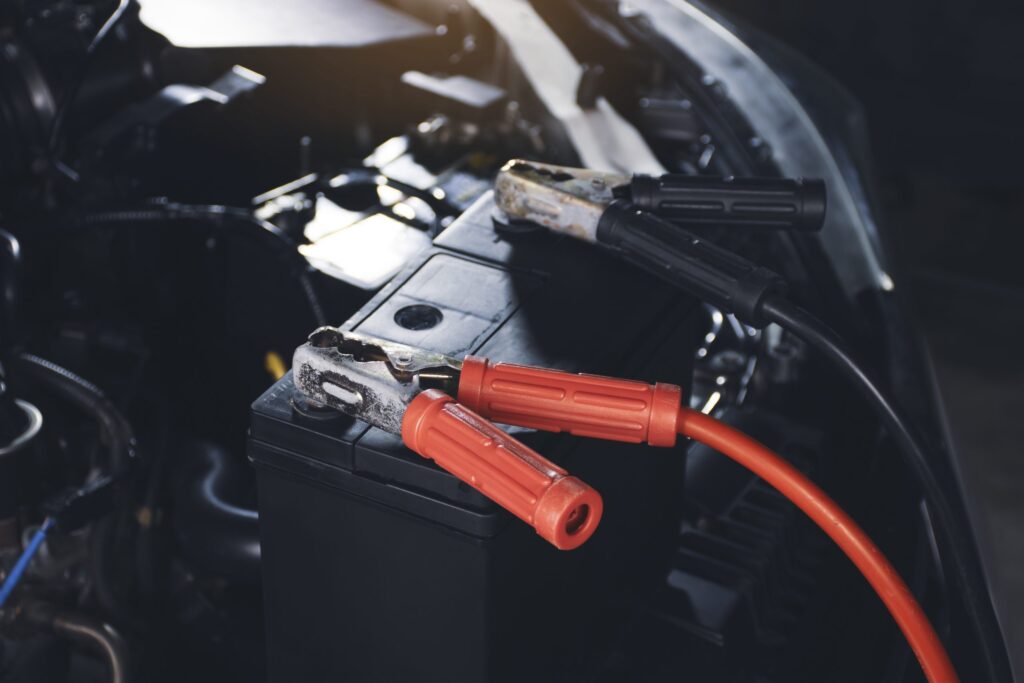
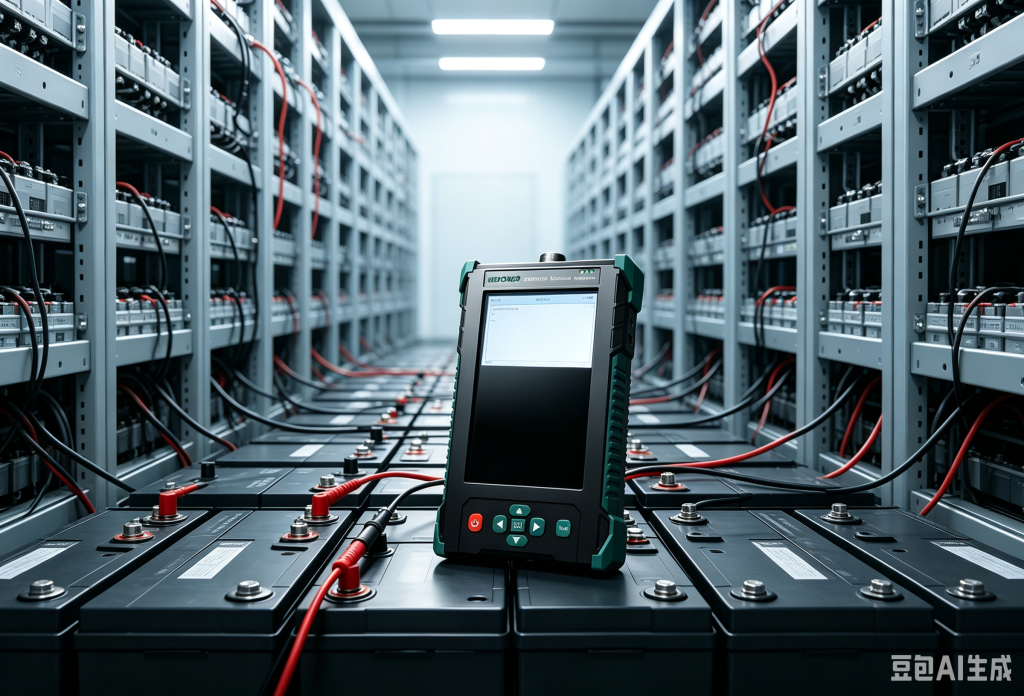
Battery performance can decline long before a battery completely fails. In backup power systems, telecom base stations, data centers, substations, and industrial facilities, identifying weak batteries early is essential for preventing unexpected power interruptions. A Battery Internal Resistance Meter provides a fast and practical way to evaluate battery condition by measuring internal resistance and terminal voltage.
Unlike a conventional multimeter that mainly shows voltage, a dedicated battery internal resistance meter provides additional information about the electrical condition of a battery. By comparing internal resistance values between batteries and tracking changes over time, maintenance teams can identify abnormal cells, investigate battery aging, and make better decisions about battery replacement.
For professional battery maintenance, the measurement device should also match the battery type, voltage range, testing environment, and required measurement accuracy. This article explains how battery internal resistance testing works, what the results mean, and how to choose the right testing equipment for industrial applications.
What Is a Battery Internal Resistance Meter?
A Battery Internal Resistance Meter is a specialized instrument designed to measure the internal resistance of a battery, usually expressed in milliohms (mΩ), together with its terminal voltage.
Every battery has some inherent resistance caused by its electrodes, electrolyte, current collectors, terminals, and internal connections. When current flows through the battery, this internal resistance contributes to voltage drop and energy loss. As a battery ages or develops internal problems, its electrical characteristics may change.
Internal resistance can therefore provide useful information for battery condition monitoring. However, it should not be treated as a standalone measurement of battery capacity or state of health. Battery type, temperature, state of charge, age, and measurement method can all affect the result. Comparing measurements with a new or known-good battery and tracking the trend over time is often more meaningful than relying on one absolute value.
This is why professional battery maintenance teams often use a Battery Internal Resistance Tester together with voltage, capacity, and other battery test data.
How Does a Battery Internal Resistance Meter Work?
Different battery testers use different measurement techniques. Common approaches include DC load testing, AC resistance or conductance testing, and impedance-based measurement.
In a DC method, the tester applies a known load or current and observes the resulting voltage change. According to Ohm’s law, resistance can be calculated from the voltage difference and current difference.
AC-based instruments use a small alternating signal and measure the battery’s response. Some professional instruments use a four-terminal measurement method to reduce the influence of lead and contact resistance. This approach is particularly useful when measuring very small resistance values in the milliohm range.
The measurement principle is important because battery internal resistance can be extremely small. Poor connections, oxidized terminals, unsuitable test leads, or electrical interference can introduce errors. For field maintenance, therefore, a good Battery Internal Resistance Meter should provide stable measurements and effective interference resistance.
Why Measure Battery Internal Resistance?
- Identify Potentially Weak Batteries
Two batteries in the same battery bank may show similar terminal voltages while having significantly different internal resistance characteristics. Comparing individual batteries can help maintenance personnel identify units that require further inspection.
A rising resistance value can be an indication of degradation in some battery types, although the interpretation depends on battery chemistry and construction.
- Monitor Battery Aging
Regular testing creates a historical record for each battery or cell. Instead of waiting for a battery to fail, technicians can compare current measurements with previous results and identify abnormal changes.
For stationary battery systems, trend monitoring is particularly useful because maintenance teams can establish a baseline when batteries are installed and then track changes during their service life.
- Check Battery String Consistency
Large backup systems often contain multiple batteries connected in series or parallel. A single weak battery can affect the performance of the entire battery string.
Testing individual batteries allows technicians to compare internal resistance and voltage values across the string and locate abnormal units more efficiently.
- Support Preventive Maintenance
Battery testing can be incorporated into routine maintenance programs for UPS systems, telecom equipment, substations, data centers, railway systems, and other critical infrastructure.
Instead of replacing batteries solely according to age, maintenance teams can combine test data with installation history, operating conditions, and manufacturer recommendations to make more informed decisions.
Battery Internal Resistance Meter vs. Other Battery Testers
A Battery Internal Resistance Meter is only one type of battery testing equipment. Different instruments are designed for different testing objectives.
| Equipment | Main Measurement | Typical Application |
| Battery Internal Resistance Meter | Internal resistance and voltage | Battery condition screening |
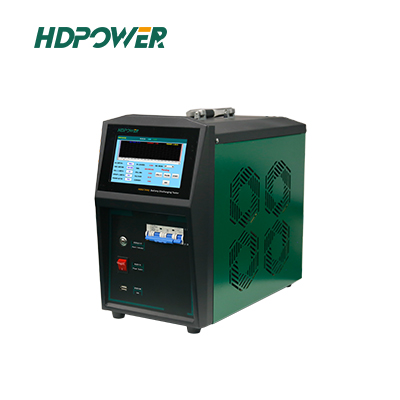
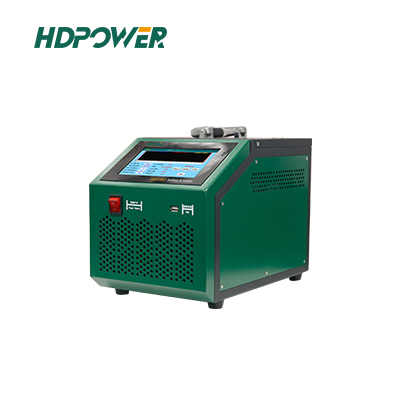
| Battery Capacity Tester | Battery capacity | Capacity verification |
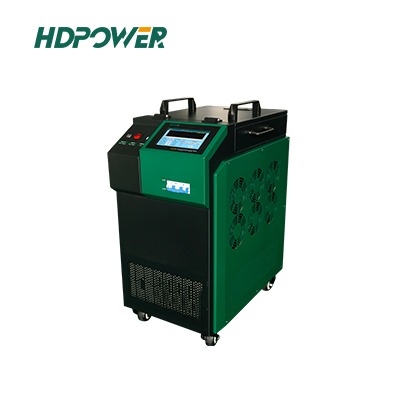
| Battery Load Tester | Voltage under load | Load performance testing |
For example, a load test evaluates how a battery responds under a defined electrical load, while an internal resistance measurement provides a rapid electrical characteristic that can be compared between batteries.
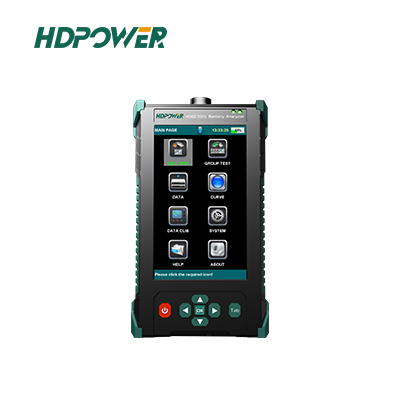
For maintenance departments managing multiple battery parameters, a Battery Analyzer may be more appropriate because it can combine several measurements and provide a broader view of battery condition.
Where Is a Battery Internal Resistance Meter Used?
A professional Battery Internal Resistance Meter can be useful in many industrial and commercial environments.
UPS Battery Maintenance
UPS systems depend on battery banks to provide backup power when the main supply fails. A weak battery may not become obvious during normal operation but can create a serious problem during an actual power outage.
Routine internal resistance and voltage testing helps maintenance teams identify abnormal batteries before they become critical.
Telecom Base Stations
Telecom base stations commonly rely on stationary battery systems for backup power. Because many sites are distributed across different locations, portable battery testing equipment can make on-site inspection more efficient.
Substations and Power Systems
Substations require reliable DC backup systems for protection, control, and emergency operation. Testing individual batteries can help maintenance personnel identify inconsistencies within a battery bank.
Data Centers
Data centers cannot afford unexpected interruptions. Battery testing can be incorporated into preventive maintenance programs to help verify the condition of UPS battery systems.
Battery Manufacturing and Inspection
Battery manufacturers can also use internal resistance measurements during production, quality control, and performance inspection. Internal resistance can be used as one of several electrical parameters for comparing batteries and identifying abnormal products.
How to Choose the Right Battery Internal Resistance Meter
Not every battery tester is suitable for every application. Before purchasing a meter, consider the following factors.
Measurement Range
The instrument should cover the expected internal resistance range of the batteries being tested. Industrial lead-acid batteries and small battery cells may have very different resistance characteristics.
Battery Voltage Range
Check the maximum and minimum voltage supported by the tester. The instrument should be suitable for the individual battery, cell, or battery module you intend to measure.
Measurement Method
AC resistance, DC resistance, conductance, and impedance methods can produce different types of information. Select a method appropriate for your battery chemistry and maintenance requirements.
Online Testing Capability
For large stationary battery systems, disconnecting the battery or busbar can be inconvenient or undesirable. Some professional testers support online measurement without disconnecting the battery from the system, which can improve maintenance efficiency.
Anti-Interference Performance
Battery banks are often installed in electrically noisy environments. A tester with strong anti-interference capability can help provide more stable measurements when other equipment is operating nearby.
Data Storage and Reporting
For professional maintenance, recording test results is almost as important as taking the measurement itself. Data storage, export functions, and historical comparison can help technicians establish battery records and track changes over time.
HDPOWER Battery IR Tester for Professional Battery Testing
For industrial battery maintenance applications, the HDPOWER HDGC3915 Battery IR Tester is designed to measure battery voltage and internal resistance using an AC discharge test method.
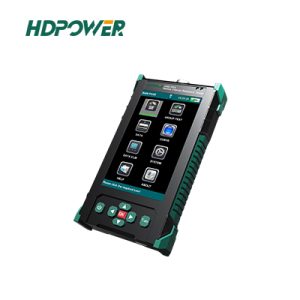
The instrument supports an internal resistance measurement range of 0.01 mΩ to 120 mΩ and a voltage range of 1.000 V to 25 V. It can be used for individual battery testing as well as battery group measurement.
The HDGC3915 also supports online and offline testing, allowing technicians to perform measurements without necessarily disconnecting the busbar. Its anti-interference design is intended for practical field environments such as battery manufacturers, telecom base stations, data centers, and substations.
For technicians working with insulated gloves or in demanding field conditions, the instrument provides both touchscreen and key-based operation. Test records can also be stored for later analysis, helping maintenance teams build a historical database for battery condition monitoring.
Best Practices for Battery Internal Resistance Testing
To obtain meaningful results, testing should be performed consistently.
First, use the same measurement method and equipment when comparing historical data. Second, maintain good contact between the test probes and battery terminals. Corrosion, oxidation, loose connections, and poor contact can influence low-resistance measurements.
It is also important to consider battery temperature and state of charge when interpreting results. A single resistance reading should not automatically be used to declare a battery defective. Instead, compare the result with manufacturer specifications, reference batteries, and previous measurements.
For battery banks, measuring each battery individually and recording the results makes it easier to identify outliers and track changes over time.
Frequently Asked Questions
What does a Battery Internal Resistance Meter measure?
It primarily measures a battery’s internal resistance and usually its terminal voltage. Some advanced battery testers also provide conductance, connection resistance, data storage, or additional battery analysis functions.
Can a Battery Internal Resistance Meter test lead-acid batteries?
Yes. Many battery internal resistance testers are designed for lead-acid batteries, including batteries used in UPS, telecom, substations, and other backup power systems. The tester’s voltage range and measurement method should be checked before use.
Is internal resistance the same as battery capacity?
No. Internal resistance and battery capacity are different electrical characteristics. Internal resistance can provide useful information about battery condition, but it should not be used alone to determine remaining capacity.
How often should battery internal resistance be tested?
The appropriate interval depends on the battery type, application, operating environment, and maintenance program. For critical backup systems, regular scheduled testing combined with historical trend analysis can provide more useful information than occasional measurements.
Conclusion
A Battery Internal Resistance Meter is an important tool for modern battery maintenance. By measuring internal resistance and voltage, maintenance personnel can quickly compare batteries, identify abnormal units, monitor changes over time, and support preventive maintenance decisions.
For UPS systems, telecom base stations, substations, data centers, battery manufacturing, and other industrial applications, the right testing equipment should provide an appropriate measurement range, stable performance, strong anti-interference capability, and convenient data management.
If you are looking for a professional Battery IR Tester for lead-acid battery maintenance or industrial battery testing, the HDPOWER HDGC3915 provides a practical solution for measuring internal resistance and voltage in both individual batteries and battery groups.
Contact HDPOWER to discuss your battery type, voltage range, testing environment, and application requirements, and find the right battery testing solution for your project.