Introduction
Batteries play an essential role in maintaining reliable power supply across industrial facilities. From telecommunications base stations and data centers to substations, rail transit systems, and energy storage installations, battery systems provide critical backup power when the main power supply is interrupted.
However, battery performance gradually deteriorates due to aging, repeated charge and discharge cycles, temperature variations, sulfation, and other operating conditions. A battery may still show a normal terminal voltage while its actual capacity and discharge performance have already declined. Without regular inspection and testing, deteriorated batteries may remain undetected until an emergency occurs.
This is why Portable Battery Testing Equipment has become an important part of industrial battery maintenance. Portable testing instruments allow maintenance engineers to evaluate battery conditions directly at installation sites without transporting battery systems to specialized laboratories.
By combining internal resistance measurement, capacity assessment, controlled discharge testing, and battery activation, maintenance teams can identify potential problems, evaluate battery performance, and make more informed maintenance decisions.
This article explains the main types of portable battery testing equipment, their applications, and the key factors to consider when selecting suitable testing solutions for industrial battery systems.
-
What Is Portable Battery Testing Equipment?
Portable battery testing equipment refers to a range of movable instruments designed to measure, analyze, and evaluate battery performance in different operating environments.
Unlike fixed laboratory testing systems, portable equipment can be transported to substations, UPS rooms, telecommunications facilities, battery maintenance workshops, and energy storage sites. Engineers can perform inspections and testing directly where batteries are installed or serviced.
Depending on the testing requirements, portable battery testing equipment may perform several functions:
Voltage measurement: Checks battery terminal voltage and identifies abnormal voltage conditions.
Internal resistance testing: Evaluates battery condition by measuring internal resistance and voltage.
Capacity assessment: Estimates remaining battery capacity or verifies actual discharge capacity under controlled conditions.
Discharge performance testing: Monitors battery voltage, current, discharge time, and delivered capacity.
Battery activation and maintenance: Helps address certain performance problems associated with sulfation and other recoverable battery conditions.
Data recording and analysis: Stores test results and generates reports for maintenance records and technical evaluation.
Different instruments serve different testing purposes. Therefore, selecting the right equipment depends on battery chemistry, voltage range, testing accuracy, maintenance objectives, and the operating environment.
-
Why Is On-Site Battery Testing Important?
Industrial battery systems are often installed in locations where continuous power availability is essential. A failure in a backup battery bank can affect communication networks, data center operations, industrial control systems, and electrical protection equipment.
Traditional maintenance based mainly on visual inspection and voltage measurement cannot provide a complete picture of battery condition. A battery may have sufficient open-circuit voltage but insufficient capacity to support its intended load for the required duration.
On-site battery testing provides several practical advantages.
2.1 Identify Deteriorating Batteries Earlier
Battery aging does not always occur uniformly. Individual batteries within the same battery bank may develop different levels of internal resistance and capacity degradation.
Portable battery analyzers help maintenance personnel identify abnormal cells and connections before they develop into more serious problems.
2.2 Verify Available Battery Capacity
Battery capacity determines how much electrical energy a battery can deliver under specified discharge conditions.
Controlled discharge testing provides important information about the actual performance of a battery bank. This helps engineers evaluate whether the system can meet its backup power requirements.
2.3 Reduce Maintenance Time
Portable instruments eliminate the need to transport batteries to external testing facilities for routine inspections.
With appropriate testing procedures and equipment, engineers can complete measurements, collect data, and generate reports directly at the site.
2.4 Improve Maintenance Records
Modern battery testing instruments support automatic data recording and computer-based analysis. Historical results can be compared to identify performance changes and support preventive maintenance planning.
-
Main Types of Portable Battery Testing Equipment
Different battery problems require different testing methods. A comprehensive industrial battery maintenance program normally combines several types of testing equipment.
3.1 Battery Internal Resistance Testers
Internal resistance is an important indicator of battery condition. As a battery ages or develops internal deterioration, its internal resistance may increase, although the relationship varies with battery chemistry and operating conditions.
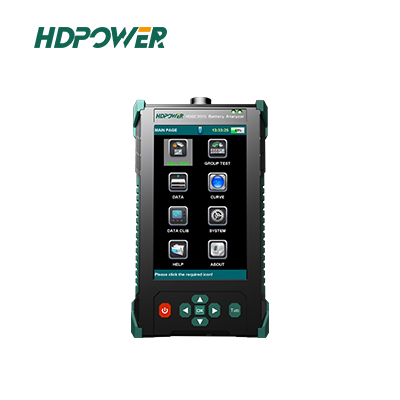
A portable battery internal resistance tester measures internal resistance and terminal voltage to help identify abnormal batteries within a battery bank.
For example, the HDGC3915 Battery Analyzer uses an AC measurement method to evaluate battery voltage and internal resistance. It supports both individual battery and battery group measurements, as well as online and offline testing.
Its applications include telecommunications base stations, data centers, substations, and battery maintenance operations.
Internal resistance testing is particularly useful for routine inspections and identifying batteries that require further investigation. However, it should be treated as a screening and diagnostic method rather than a direct replacement for a controlled capacity discharge test.
Learn more about HDGC3915 Battery Internal Resistance Testing Equipment.
3.2 Battery Discharge Testers for Capacity Verification
A controlled discharge test is one of the most direct methods of evaluating battery capacity.
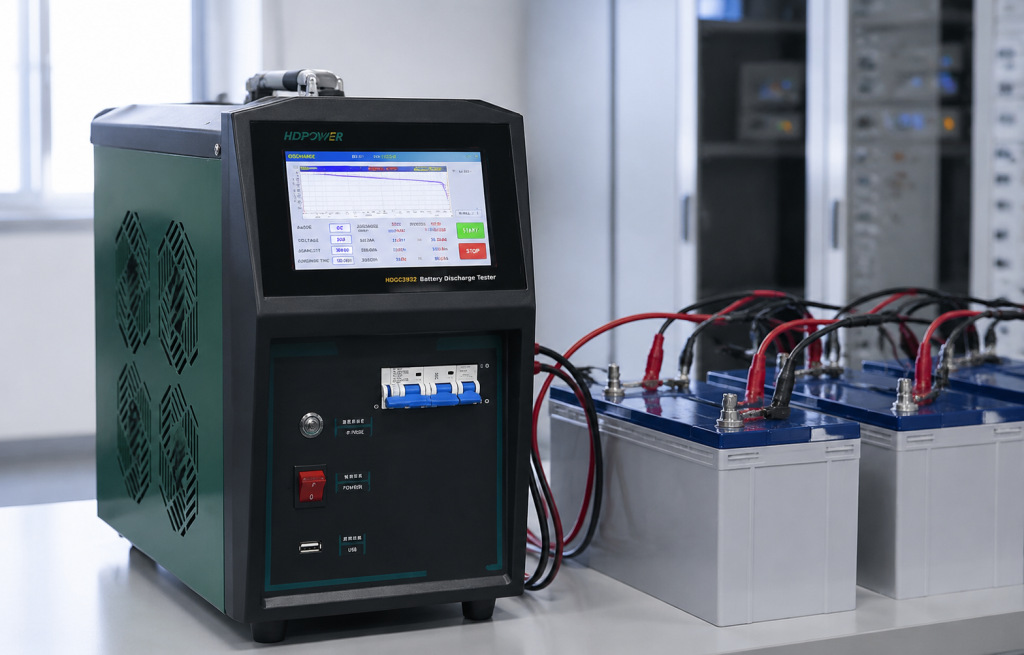
During testing, the equipment applies a specified discharge current or power to the battery while continuously monitoring voltage, current, and discharge time. The delivered capacity is calculated from the discharge data until the specified termination conditions are reached.
Portable battery discharge testers are widely used for:
- UPS battery bank capacity verification
- Substation DC battery maintenance
- Telecommunications backup battery testing
- Industrial power system inspections
- Energy storage battery performance evaluation
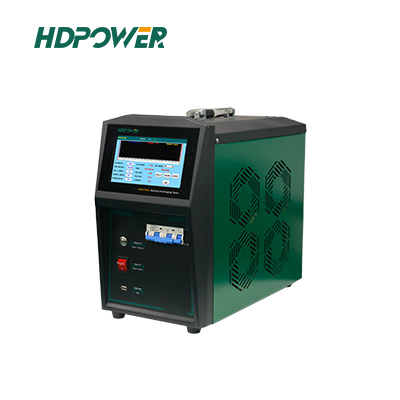
The HDGC3980 Battery Discharging Tester is designed for industrial battery discharge experiments, capacity testing, and daily maintenance. It supports multiple DC voltage systems and provides real-time monitoring of battery voltage, discharge current, discharge time, and discharge capacity.
The equipment also supports automatic data recording, intelligent analysis, and Excel or Word report generation.
For larger discharge current requirements, multiple units can operate in parallel according to the configured system requirements.
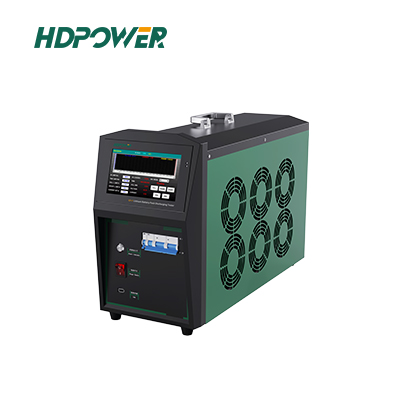
For industrial users who need more comprehensive testing and maintenance functions, the HDGC3985 Battery Charging and Discharging Tester combines controlled discharge, intelligent charging, and activation functions.
Explore HDGC3980 Battery Discharge Testing Equipment and HDGC3985 Battery Charge and Discharge Tester.
3.3 Battery Activators for Maintenance and Performance Recovery
Some lead-acid batteries experience sulfation and other deterioration mechanisms that can reduce their effective capacity and charging performance.
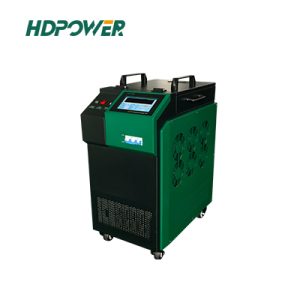
A battery activator provides controlled charging, discharging, and cycling functions to help address certain recoverable battery conditions.
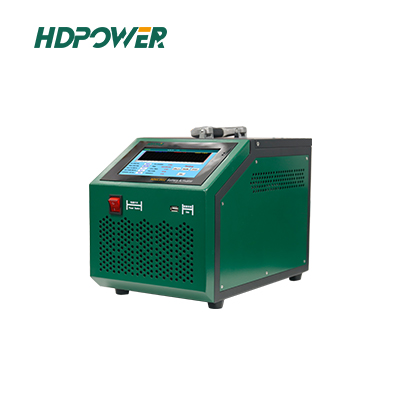
For example, the HDGC3932 Battery Activator is designed for lead-acid battery maintenance in telecommunications, power systems, and other industrial backup applications.
By applying appropriate charging and discharging processes, the equipment helps maintenance personnel evaluate battery response and address certain performance problems.
Battery activation should not be regarded as a guaranteed method of restoring every deteriorated battery. Batteries with severe structural damage or irreversible aging may still require replacement.
3.4 Lithium Battery Pack Discharge Testers
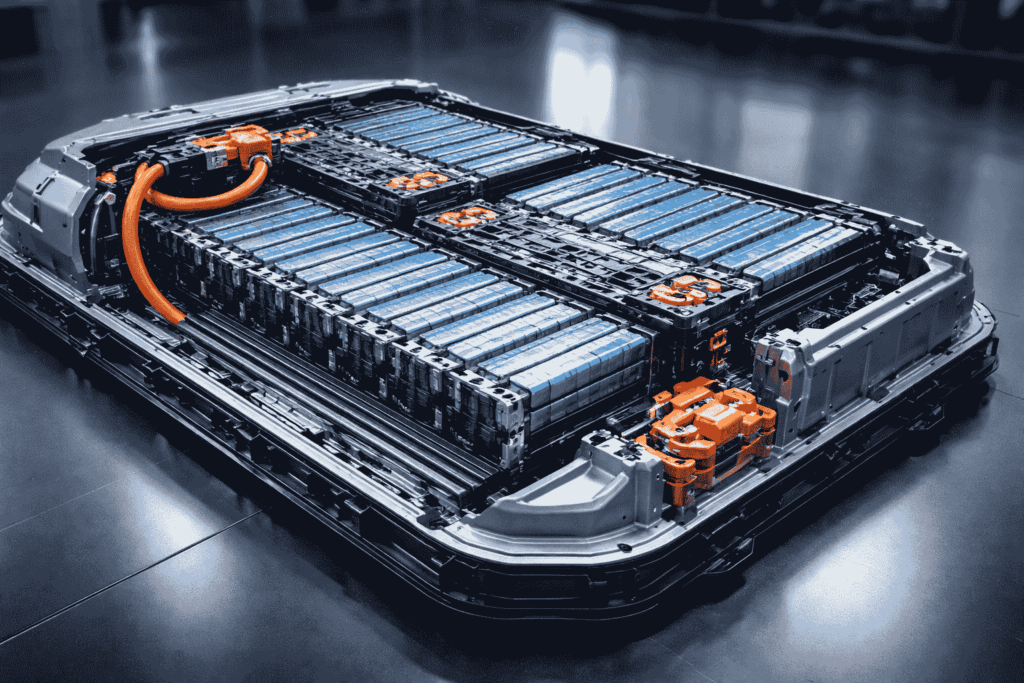
Lithium battery packs are widely used in electric vehicles, energy storage systems, and other high-voltage applications.
Testing lithium battery packs requires equipment suitable for their voltage range, battery chemistry, and discharge requirements.
Portable lithium battery pack discharge testers provide controlled energy release before battery maintenance, transportation, recycling, or second-life evaluation.
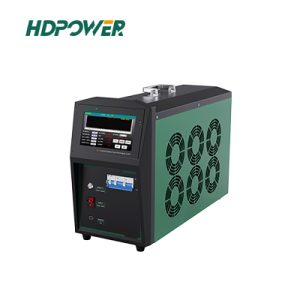
HDPOWER offers CP-F series lithium battery pack discharge testers with constant-current and constant-power discharge modes.
The CP-F600 supports a 10–600V voltage range, while the CP-F800 supports a 10–800V range. These models are suitable for different high-voltage lithium battery pack testing requirements.
Depending on the configuration, optional cell voltage and temperature monitoring can provide additional information during discharge testing.
Explore Lithium Battery Pack Discharge Testing Solutions.
-
Portable Battery Testing Equipment for Different Applications
The selection of testing equipment should reflect the battery system and its actual operating environment.
4.1 UPS Systems and Data Centers
UPS battery banks provide backup power for servers, network equipment, and critical data center infrastructure.
Regular battery inspections help identify abnormal batteries and verify whether the backup system can deliver the required performance.
Internal resistance testing can support routine screening, while controlled discharge testing provides more direct capacity verification.
4.2 Telecommunications Base Stations
Telecommunications facilities often use lead-acid battery banks to maintain uninterrupted power during utility outages.
Portable battery analyzers and discharge testers help technicians inspect individual batteries, compare battery conditions, and evaluate available backup capacity.
4.3 Power Substations and Electrical Utilities
DC battery systems provide essential power for protection relays, circuit breakers, control systems, and emergency operations.
Portable testing equipment allows maintenance teams to perform inspections and controlled discharge tests at substations without moving the installed battery bank.
Automatic data collection and reporting also help improve maintenance traceability.
4.4 Energy Storage Systems
Energy storage systems require battery performance evaluation at different levels, including cells, modules, and complete battery packs.
Portable testing instruments can support discharge performance verification, voltage inspection, and battery condition assessment during maintenance and troubleshooting.
4.5 Battery Repair and Recycling Facilities
Battery service providers and recycling companies need to evaluate battery condition before repair, reuse, or recycling.
Portable lithium battery discharge testers help release stored energy under controlled conditions before certain maintenance and recycling procedures.
Combined with voltage and internal resistance measurements, discharge testing provides useful information for battery condition evaluation.
-
How to Choose the Right Portable Battery Testing Equipment
Selecting suitable testing equipment requires more than comparing product prices or measurement ranges. The following factors should be considered.
- Battery Chemistry
Confirm whether the equipment is designed for lead-acid batteries, lithium-ion batteries, or other battery types. Different chemistries require different testing procedures and operating limits.
- Battery Voltage Range
Check the nominal voltage and actual operating voltage of the battery system. The equipment must support the required measurement or discharge voltage range.
- Testing Purpose
Determine whether the primary requirement is internal resistance screening, rapid capacity estimation, accurate discharge capacity verification, or battery maintenance.
A handheld analyzer and a high-current discharge tester serve different purposes and should not be considered interchangeable.
- Discharge Current and Load Control
For capacity verification, check the required discharge current or power, load stability, and applicable termination conditions. The selected equipment should match the battery manufacturer’s recommended testing procedure.
- Safety Protection
Discharge testing involves electrical and thermal risks. Appropriate equipment should include relevant protections and alarms, such as overcurrent, overtemperature, reverse polarity, and abnormal operating condition protection.
- Data Management and Reporting
Automatic data recording, test curves, data export, and report generation are valuable features for industrial maintenance teams.
- Portability and Site Requirements
Consider equipment dimensions, weight, cooling requirements, power supply, connection cables, and transportation arrangements. Portable equipment should be practical for the actual working environment.
-
Why Choose HDPOWER Portable Battery Testing Solutions?
HD Power Test Equipment Co., Ltd. specializes in developing and manufacturing battery testing and maintenance equipment for industrial applications.
Its product portfolio covers several important battery testing functions, including internal resistance measurement, battery activation, controlled discharge, and charge-discharge testing.
HDPOWER solutions are designed for different lead-acid and lithium battery testing requirements.
Key capabilities include:
Multiple testing methods: Internal resistance measurement, capacity assessment, controlled discharge, and battery activation.
Portable testing solutions: Movable equipment suitable for on-site inspection and maintenance.
Wide application coverage: Solutions for substations, telecommunications, UPS systems, data centers, energy storage, and battery service facilities.
Intelligent operation: Touchscreen interfaces, preset testing parameters, and automatic data recording on applicable models.
Data analysis: Test curves, measurement records, and exportable reports for maintenance documentation.
Customized configurations: Equipment selection and configuration according to battery voltage, discharge current, battery type, and application requirements.
With a focus on practical industrial testing needs, HDPOWER helps customers improve battery inspection efficiency, identify potential performance problems, and make better-informed maintenance decisions.
-
Conclusion
Portable battery testing equipment plays an important role in maintaining the reliability of industrial battery systems. From internal resistance screening and battery activation to controlled discharge capacity verification, different testing methods provide complementary information about battery condition.
Choosing suitable equipment requires consideration of battery chemistry, voltage range, testing objectives, discharge requirements, safety protection, and data management capabilities.
For industrial users maintaining UPS systems, telecommunications backup batteries, substations, and lithium energy storage packs, an appropriate combination of portable testing instruments can support more effective inspection and preventive maintenance.
HDPOWER provides a range of battery testing and maintenance solutions for lead-acid and lithium battery applications. Contact the HDPOWER team to discuss your battery testing requirements and find suitable equipment for your application.